
Contents
Overview
Mobile phone hardware refers to the physical components that constitute a smartphone, from the intricate silicon chips to the durable chassis. This includes the central processing unit (CPU), graphics processing unit (GPU), random-access memory (RAM), storage (ROM), display, camera sensors, battery, and various connectivity modules like Wi-Fi, Bluetooth, and cellular modems. These components work in concert to deliver the functionality users expect, from basic communication to complex augmented reality experiences. The relentless pursuit of miniaturization, power efficiency, and performance has driven a multi-billion dollar global industry, with key players like Qualcomm, Apple, Samsung, and MediaTek constantly pushing the boundaries of what's possible. The evolution of mobile hardware is a story of exponential growth, marked by innovations like the ARM architecture, OLED screens, and sophisticated multi-lens camera systems, fundamentally reshaping how we interact with information and each other.
🎵 Origins & History
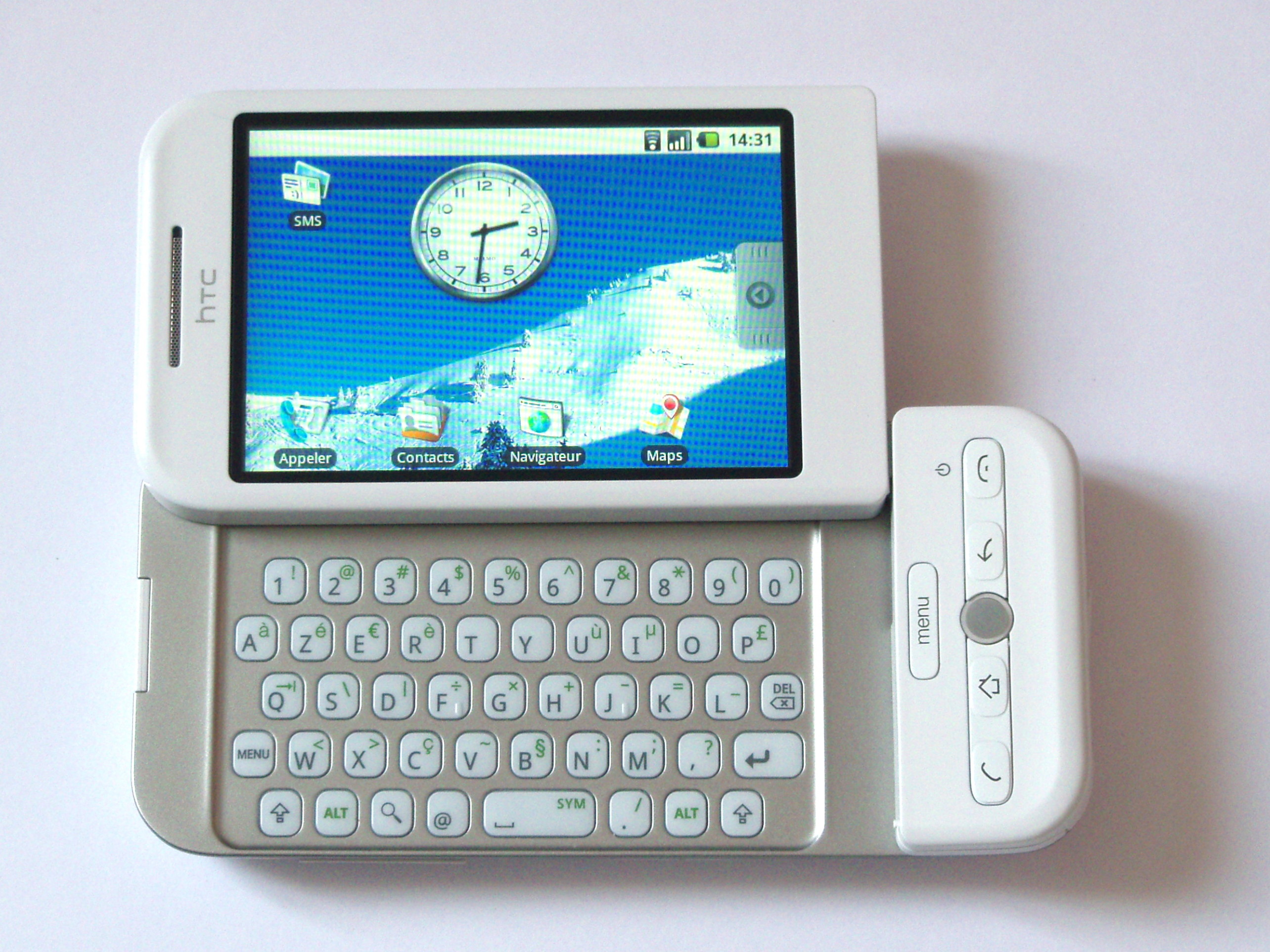
The genesis of mobile phone hardware can be traced back to the bulky, analog devices of the past. These early devices relied on rudimentary processors and limited memory, a far cry from today's pocket computers. The true revolution began with the advent of digital networks, paving the way for smaller, more capable devices. Key milestones include the integration of Java ME for basic applications, and the introduction of Symbian OS and BlackBerry OS devices, which brought email and rudimentary internet access to the masses. The HTC Dream, launched as the first Android phone, marked a pivotal moment, democratizing advanced hardware and software integration and setting the stage for the smartphone era as we know it.
⚙️ How It Works
At its core, a mobile phone is a complex system-on-a-chip (SoC) architecture, integrating multiple processing units onto a single piece of silicon. RAM (typically LPDDR5 or newer) provides fast, temporary storage for active applications, while NAND flash storage (UFS 3.1 or newer) holds the operating system, apps, and user data. Connectivity is managed by modems supporting 5G cellular, Wi-Fi 6/6E, and Bluetooth 5.x. Powering it all is a lithium-ion or lithium-polymer battery, increasingly paired with fast-charging technologies like USB PD.
📊 Key Facts & Numbers
The mobile phone hardware industry is a colossal economic engine. The average selling price (ASP) of a smartphone has climbed to over $400, driven by premium devices. The global semiconductor market, heavily reliant on mobile demand, is valued at over $600 billion.
👥 Key People & Organizations
The landscape of mobile hardware is dominated by a few key players. Qualcomm is a leader in mobile chipsets. Apple designs its own powerful A-series and M-series chips. Samsung Electronics is a giant, not only manufacturing its own Exynos chips and Galaxy smartphones but also being the world's largest supplier of DRAM and NAND flash memory. MediaTek has emerged as a strong competitor, particularly in the mid-range and budget segments. TSMC (Taiwan Semiconductor Manufacturing Company) is the world's leading contract chip manufacturer, fabricating chips for Apple, Qualcomm, and Nvidia.
🌍 Cultural Impact & Influence
Mobile phone hardware has fundamentally reshaped global culture and daily life. The ubiquity of powerful, connected devices has democratized access to information, entertainment, and communication on an unprecedented scale. High-resolution cameras have transformed personal photography and social media, while advancements in processing power enable sophisticated mobile gaming and augmented reality experiences. The constant cycle of hardware upgrades fuels consumerism and creates a significant electronic waste stream, a growing societal concern. Furthermore, the miniaturization and integration of sensors have enabled new forms of interaction, from contactless payments via NFC to health monitoring through wearable devices that often pair with smartphones.
⚡ Current State & Latest Developments
The current trajectory of mobile hardware is defined by several key trends. AI integration is paramount, with NPUs becoming standard in flagship SoCs to accelerate machine learning tasks for features like computational photography, voice assistants, and on-device processing. 5G deployment continues to expand, demanding more power-efficient modems and antennas. Display technology is pushing towards higher refresh rates (120Hz and beyond), improved brightness, and under-display camera technology. Foldable displays, pioneered by companies like Samsung Display, are becoming more refined and durable. Battery technology is seeing incremental improvements in energy density and charging speeds, with ongoing research into solid-state batteries. The push for sustainability is also influencing material choices and repairability.
🤔 Controversies & Debates
The relentless pursuit of thinner, lighter, and more powerful devices has led to significant controversies. The increasing difficulty of repairing modern smartphones, driven by glued-in components and proprietary screws, has fueled the Right to Repair movement. This has led to legislative efforts in regions like the European Union to mandate better repairability. The environmental impact of mining rare earth minerals for components, coupled with the massive e-waste generated by frequent upgrades, is another major point of contention. Furthermore, the concentration of manufacturing power in Taiwan for chip fabrication raises geopolitical concerns. The ethical implications of data collection through increasingly sophisticated sensors also remain a persistent debate.
🔮 Future Outlook & Predictions
The future of mobile phone hardware points towards even greater integration and intelligence. Expect further advancements in AI capabilities, with devices becoming more proactive and personalized. Solid-state batteries promise significant improvements in safety and energy density, potentially revolutionizing battery life and charging times. Quantum computing research, while nascent for mobile, could eventually lead to entirely new processing paradigms. The integration of AR/VR technologies will likely become more seamless, with phones acting as the central hub for immersive experiences. We might also see a diversification of form factors beyond the current slab and foldable designs, exploring rollable or even modular concepts. The race for smaller, more efficient manufacturing processes, like EUV lithography, will continue to be critical.
💡 Practical Applications
Mobile phone hardware is the bedrock of countless practical applications. Its primary function remains communication via cellular networks and IP-based services. High-resolution cameras and powerful processors enable advanced photography, videography, and content creation. GPS and sensor arrays facilitate navigation, fitness tracking, and location-based services. NFC chips enable contactless payments and quick device pairing. The processing power supports complex mobile gaming, productivity apps, and even on-device machine learning for tasks like real-time translation and image recognition. Furthermore, mobile hardware serves as the control interface for a vast ecosystem of IoT devices, from smart home appliances to automotive systems.
Key Facts
- Category
- technology
- Type
- topic