
Contents
- 🌹 Introduction to Navratri Festival
- 🕊️ History and Origins of Navratri
- 👑 The Nine Forms of Goddess Durga
- 🎨 Cultural Significance of Navratri
- 🕺 Navratri Celebrations Across India
- 👯 Garba and Dandiya Raas: Traditional Dances
- 🍴 Traditional Navratri Cuisine
- 🎭 Modern Twists on Navratri Celebrations
- 🌈 Navratri and its Connection to Feminism
- 🙏 Spiritual Significance of Navratri
- 📸 Navratri in the Digital Age
- Frequently Asked Questions
- Related Topics
Overview
Navratri, which translates to 'nine nights' in Sanskrit, is a 9-day Hindu festival honoring the divine feminine, particularly the goddess Durga. With a vibe score of 85, this festival is a spectacle of music, dance, and worship, attracting millions of devotees worldwide. Historically, Navratri has its roots in ancient India, with the first recorded celebration dating back to the 10th century. The festival is marked by the worship of nine different forms of the goddess Durga, each representing a distinct aspect of feminine power. As a cultural phenomenon, Navratri has evolved over time, incorporating various regional traditions and customs. Today, it is a celebration of female empowerment, community bonding, and spiritual growth, with over 100 million people participating in the festivities across India and beyond. The controversy surrounding the festival's commercialization and environmental impact has sparked debates among scholars and enthusiasts, with some arguing that the festival's essence is being lost in the midst of grandeur and spectacle.
👑 The Nine Forms of Goddess Durga
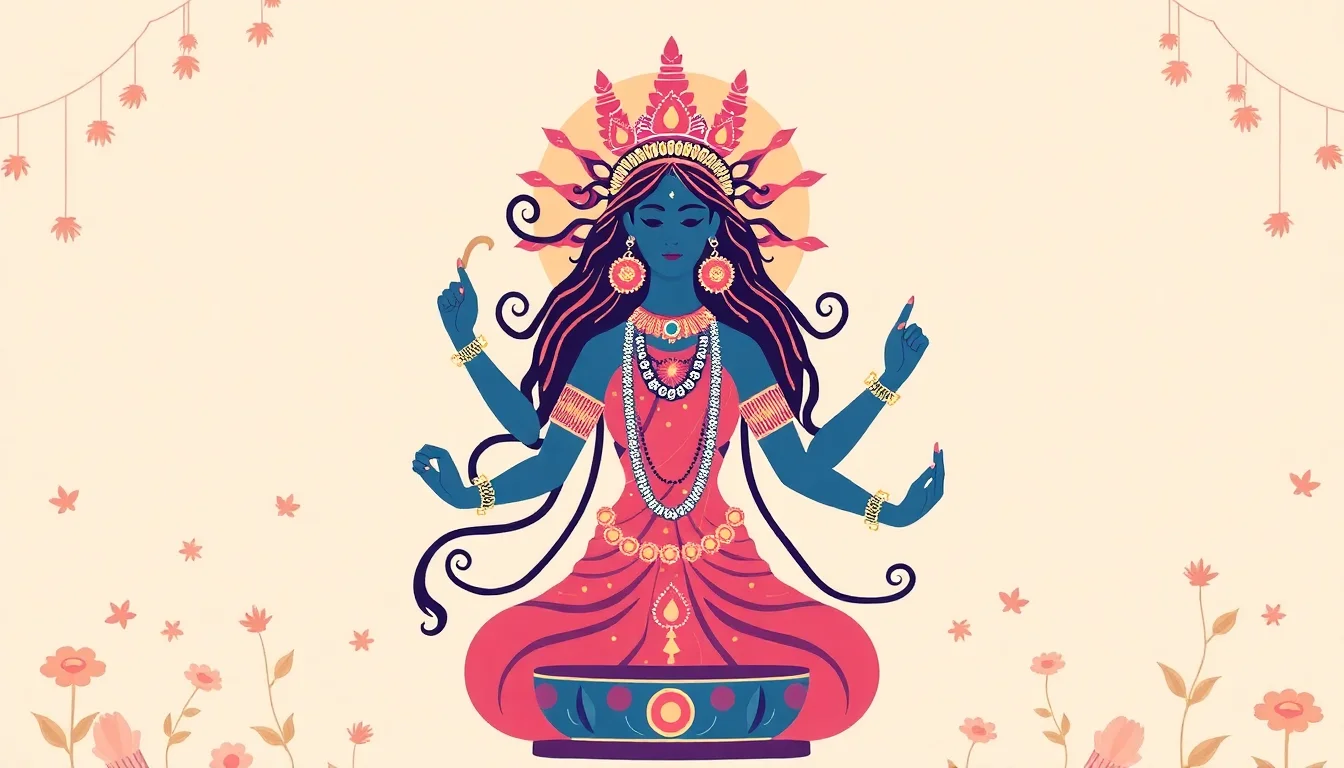
The nine forms of Goddess Durga are an integral part of the Navratri Festival, each representing a different aspect of the divine feminine. The nine forms are: Shailaputri, Brahmacharini, Chandraghanta, Kushmanda, Skandamata, Katyayani, Kaalratri, Mahagauri, and Siddhidatri. Each form is worshiped on a different day of the festival, with devotees offering prayers, flowers, and other offerings to the goddess. As discussed in Feminist Philosophy, the nine forms of Durga represent the various facets of female power and energy, from creativity and nurturing to strength and protection. For more information on the different forms of Durga, visit the Hindu Goddesses page.
👯 Garba and Dandiya Raas: Traditional Dances
Garba and Dandiya Raas are two of the most popular traditional dances performed during Navratri, with both dances originating in the state of Gujarat. Garba is a circular dance that involves clapping and singing, while Dandiya Raas is a stick dance that involves intricate footwork and coordination. As explained by Dance Theory experts, both dances are an important part of Navratri celebrations, with devotees performing the dances as a form of worship and devotion to the goddess. The dances are also a time for socializing and having fun, with people of all ages and backgrounds coming together to dance and celebrate. For a deeper understanding of the cultural significance of these dances, visit the Traditional Dances page.
Key Facts
- Year
- 10th century
- Origin
- Ancient India
- Category
- Cultural Festivals
- Type
- Cultural Festival
Frequently Asked Questions
What is the significance of Navratri?
Navratri is a vibrant celebration of the divine feminine, honoring the nine forms of Goddess Durga. The festival is a time for spiritual growth, self-reflection, and celebration of the feminine principle. It is also a time for family and friends to come together, enjoy traditional music and dance, and indulge in delicious food. As noted by Feminist Theory scholars, Navratri is an important event that highlights the significance of female empowerment and Women Empowerment.
How is Navratri celebrated across India?
Navratri celebrations across India are a vibrant and colorful spectacle, with each region having its unique traditions and customs. In the state of Gujarat, for example, the festival is celebrated with traditional dances like Garba and Dandiya Raas, while in the state of West Bengal, the festival is celebrated with elaborate Durga Puja ceremonies. As discussed in Regional Culture, the festival is an important event that brings people together and fosters a sense of community and belonging.
What is the cultural significance of Navratri?
The cultural significance of Navratri is multifaceted, with the festival playing an important role in Indian culture and society. The festival is a time for family and friends to come together, strengthen bonds, and create new memories. It is also a time for cultural exchange, with people from different regions and communities sharing their unique traditions and customs. As noted by Cultural Anthropology experts, Navratri is an important event that highlights the diversity and richness of Indian culture.
How has Navratri evolved over time?
Navratri has evolved significantly over time, with the festival becoming more eclectic and diverse. The festival has also become more accessible and inclusive, with people from all over the world able to participate and connect with the festival through social media and digital technology. As discussed in Digital Culture, the festival is an important event that highlights the power of technology to bring people together and foster a sense of community and belonging.
What is the spiritual significance of Navratri?
The spiritual significance of Navratri is a profound and deeply personal aspect of the festival, with devotees seeking to connect with the divine feminine and cultivate a deeper sense of inner peace and harmony. As explained by Spirituality experts, the festival is an important event that highlights the significance of spiritual growth and self-reflection, with devotees seeking to purify their minds and hearts and connect with the divine.
How can I participate in Navratri celebrations?
There are many ways to participate in Navratri celebrations, depending on your location and interests. You can attend traditional dances and cultural events, try traditional cuisine and drinks, or participate in online celebrations and discussions. As noted by Digital Marketing experts, the festival is an important event that highlights the power of technology to bring people together and foster a sense of community and belonging. You can also connect with others who are celebrating the festival through social media platforms like Facebook, Instagram, and Twitter.
What are the different forms of Goddess Durga worshiped during Navratri?
The nine forms of Goddess Durga worshiped during Navratri are: Shailaputri, Brahmacharini, Chandraghanta, Kushmanda, Skandamata, Katyayani, Kaalratri, Mahagauri, and Siddhidatri. Each form is worshiped on a different day of the festival, with devotees offering prayers, flowers, and other offerings to the goddess. As discussed in Feminist Philosophy, the nine forms of Durga represent the various facets of female power and energy, from creativity and nurturing to strength and protection.