
Contents
Overview
Neuroinflammation refers to the inflammatory response within the brain and spinal cord, primarily involving glial cells like microglia and astrocytes. While acute neuroinflammation can be protective, clearing pathogens and damaged cells, chronic or dysregulated inflammation is increasingly implicated in a wide range of neurological disorders. Conditions such as Alzheimer's disease, Parkinson's disease, multiple sclerosis, and even depression are now understood to have significant neuroinflammatory components. Research is actively exploring therapeutic strategies to modulate this response, aiming to mitigate disease progression and improve patient outcomes. Understanding the intricate balance of neuroinflammation is crucial for both scientific advancement and clinical application.
🧠 What is Neuroinflammation?
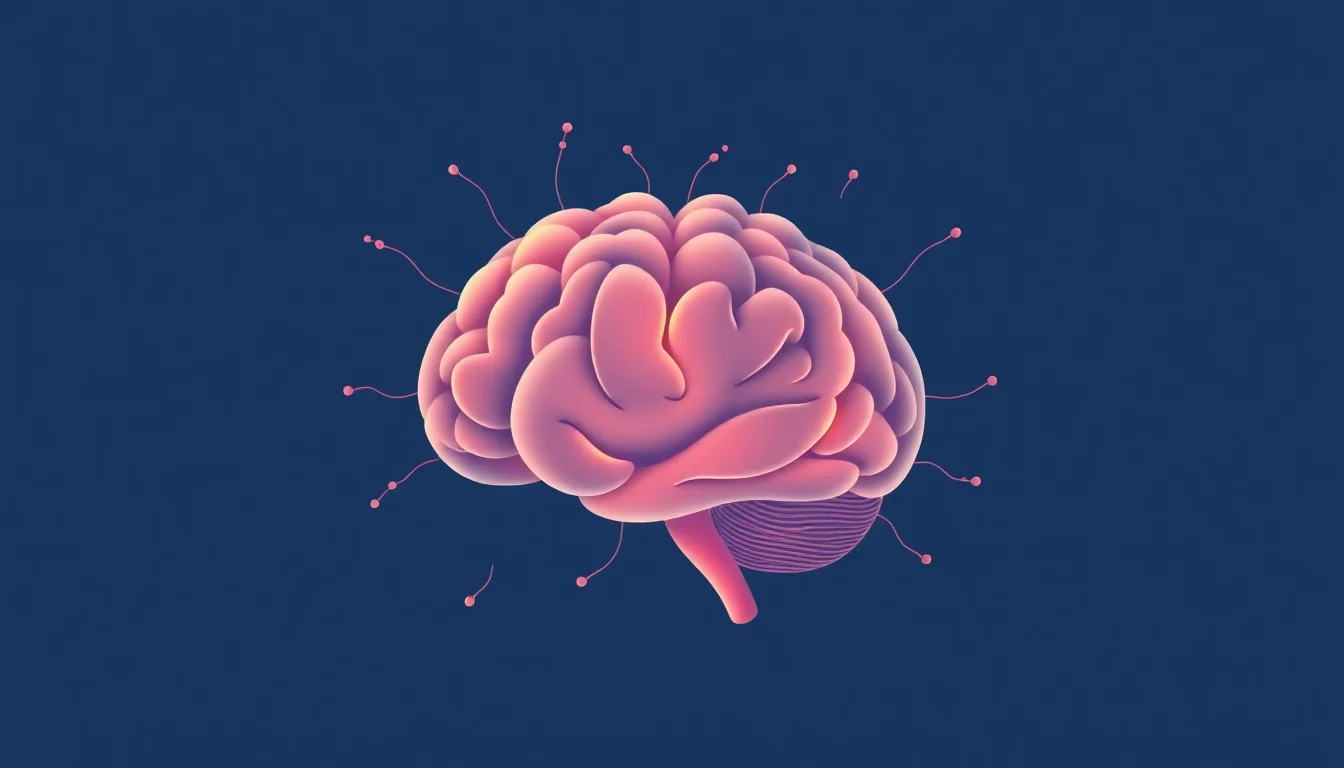
Neuroinflammation is essentially the nervous system's response to injury or insult, a localized inflammatory process occurring within the brain and spinal cord. Think of it as the brain's internal security system kicking into high gear. While often a protective mechanism, its persistence or dysregulation can lead to significant neurological damage. Understanding neuroinflammation is crucial for anyone interested in the intricate workings of the CNS and its susceptibility to disease. This phenomenon is a key player in conditions ranging from Alzheimer's to MS.
🔬 The Microglia Mechanism
At the heart of CNS immunity are microglia, the resident immune cells of the brain. These specialized cells act as sentinels, constantly surveying their environment for signs of trouble, such as pathogens or cellular debris. Upon activation by various stimuli, microglia can proliferate, change shape, and release a cascade of signaling molecules, including cytokines and chemokines. This activation is a fundamental aspect of the innate immune response within the brain, aiming to clear threats and initiate repair processes. Their role is so central that understanding microglial states is a major focus in neuroinflammation research.
🛡️ The Blood-Brain Barrier's Role
The BBB is a highly selective semipermeable border that separates the circulating blood from the brain and extracellular fluid in the central nervous system. It's primarily composed of endothelial cells with tight junctions, supported by astrocytes and pericytes. This barrier is designed to protect the brain from pathogens, toxins, and fluctuations in blood composition, maintaining a stable environment. However, when the BBB is compromised, as seen in TBI or certain infections, peripheral immune cells can infiltrate the CNS, exacerbating neuroinflammatory responses.
💥 Triggers and Causes
The triggers for neuroinflammation are diverse and can include acute events like TBI or stroke, chronic infections, exposure to neurotoxins, and autoimmune disorders where the immune system mistakenly attacks the nervous system. Even metabolic byproducts, such as amyloid-beta plaques in Alzheimer's disease, can initiate and sustain inflammatory cascades. Understanding these diverse origins is key to developing targeted interventions, as the specific trigger often dictates the nature and severity of the inflammatory response.
⚖️ The Double-Edged Sword
Neuroinflammation is a classic double-edged sword. On one hand, it's a vital defense mechanism, essential for clearing pathogens and damaged cells, and promoting tissue repair after injury. Microglia, for instance, are critical for clearing amyloid-beta in early stages of Alzheimer's. On the other hand, chronic or excessive neuroinflammation can become destructive, leading to neuronal damage, synaptic dysfunction, and the progression of neurodegenerative diseases. This duality makes it a complex target for therapeutic development, requiring precise modulation rather than outright suppression.
📈 Current Research Frontiers
Current research is rapidly advancing our understanding of neuroinflammation's intricate molecular pathways. Scientists are exploring novel biomarkers for early detection and are investigating the role of the gut-brain axis in modulating CNS inflammation. Gene editing technologies and advanced imaging techniques are providing unprecedented insights into microglial behavior and the dynamics of the BBB. The focus is shifting towards identifying specific inflammatory pathways that can be targeted to promote beneficial effects while minimizing harmful ones, moving beyond broad anti-inflammatory approaches.
💡 Diagnostic Approaches
Diagnosing neuroinflammation often involves a combination of clinical assessment, neuroimaging, and laboratory tests. MRI scans can reveal structural changes associated with inflammation, such as white matter lesions or edema. Lumbar punctures to analyze CSF can detect elevated levels of inflammatory markers like cytokines and immune cells. Emerging research is also exploring blood-based biomarkers, which could offer less invasive diagnostic options in the future. Early and accurate diagnosis is critical for effective management and intervention.
💊 Therapeutic Strategies
Therapeutic strategies for neuroinflammation are diverse and evolving, aiming to either dampen excessive inflammation or harness its beneficial aspects. These include steroids for acute inflammatory conditions, immunomodulatory drugs for autoimmune diseases like MS, and novel small molecules targeting specific inflammatory pathways. Research into cannabinoids and their anti-inflammatory properties in the CNS is also gaining traction. The challenge lies in developing treatments that are both effective and safe, avoiding the immunosuppression that can leave patients vulnerable to infection.
❓ Who Needs to Know About This?
Anyone concerned with brain health, particularly individuals with or at risk for neurodegenerative conditions, autoimmune diseases, or those who have experienced TBI, should be aware of neuroinflammation. It's also a critical area for neurologists, immunologists, and researchers working on brain health. Understanding its role can empower individuals to engage more effectively with their healthcare providers and make informed decisions about their well-being.
🔮 Future Outlook
The future of neuroinflammation research and treatment is incredibly promising, albeit complex. We are moving towards highly personalized therapies that target specific inflammatory signatures within an individual's brain. The integration of AI and machine learning will likely accelerate the discovery of new therapeutic targets and diagnostic tools. The ultimate goal is to harness the brain's own immune system to protect itself more effectively, paving the way for better management and potential prevention of a wide range of debilitating neurological conditions.
Key Facts
- Year
- 1980
- Origin
- The concept of neuroinflammation gained significant traction in the scientific community in the early 1980s with advancements in immunology and molecular biology, allowing for a deeper understanding of the brain's immune system. Early work by researchers like Dr. Bruce Cancilla and Dr. Stanley Appel laid foundational groundwork.
- Category
- Neuroscience / Health & Medicine
- Type
- Scientific Concept
Frequently Asked Questions
Is neuroinflammation always bad?
No, neuroinflammation is a crucial protective response. It's essential for clearing pathogens, removing damaged cells, and initiating repair processes in the brain. Problems arise when this response becomes chronic, excessive, or misdirected, leading to tissue damage and disease progression. The key is understanding when and how to modulate it, rather than simply suppress it.
What are the main symptoms of neuroinflammation?
Symptoms can be highly variable and depend on the underlying cause and location of the inflammation. They can include headaches, cognitive difficulties (memory problems, confusion), fatigue, mood changes, and in more severe cases, seizures or motor deficits. Often, symptoms are non-specific and overlap with many other neurological conditions, making diagnosis challenging.
Can lifestyle factors influence neuroinflammation?
Absolutely. Diet, exercise, stress management, and sleep quality all play significant roles. A diet rich in antioxidants and omega-3 fatty acids, regular physical activity, and effective stress reduction techniques can help mitigate chronic inflammation. Conversely, poor diet, chronic stress, and lack of sleep can exacerbate it. The gut-brain axis is also a key area where lifestyle impacts neuroinflammation.
How is neuroinflammation different from peripheral inflammation?
While both involve immune responses, neuroinflammation is specific to the central nervous system (brain and spinal cord) and primarily involves microglia and astrocytes. Peripheral inflammation occurs elsewhere in the body and involves different immune cell populations. The BBB also creates a unique immunological environment in the CNS, making it more protected but also potentially more vulnerable to specific types of damage when that barrier is breached.
Are there any natural remedies for neuroinflammation?
While not a substitute for medical treatment, certain natural compounds and lifestyle choices are being investigated for their anti-inflammatory effects in the brain. These include curcumin (from turmeric), omega-3s, and resveratrol. However, it's crucial to consult with a healthcare professional before using any supplements, as they can interact with medications and may not be suitable for everyone.
What is the link between neuroinflammation and aging?
Neuroinflammation is increasingly recognized as a significant contributor to the aging process in the brain, often referred to as 'inflammaging.' As we age, microglia can become chronically activated, leading to a low-grade, persistent inflammatory state that can impair neuronal function and increase the risk of age-related cognitive decline and neurodegenerative diseases like Alzheimer's.