
Contents
Overview
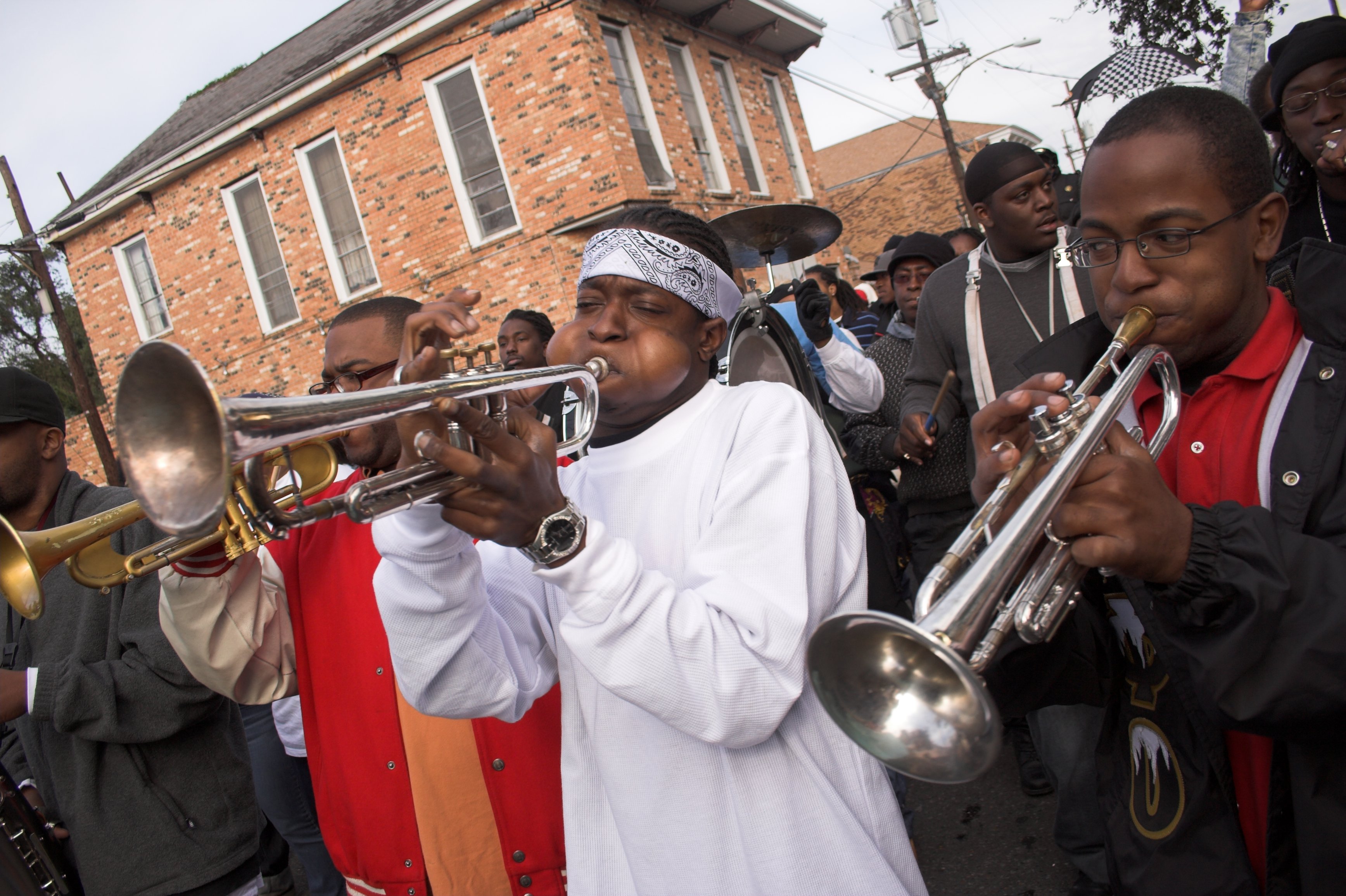
The sonic tapestry of New Orleans is woven from a rich confluence of cultures, dating back to its founding. Early musical expressions were shaped by French, Spanish, African, Caribbean, and Indigenous traditions, creating a fertile ground for new sounds. The post-Civil War era saw the emergence of brass bands, often composed of African American musicians, who played for parades, funerals, and social gatherings. These bands, drawing from military marches, spirituals, and blues, laid crucial groundwork for what would become jazz. The legendary Congo Square, a designated gathering place for enslaved Africans, was a vital site for preserving African musical traditions, including drumming and dance, which profoundly influenced later genres.
⚙️ How It Works
New Orleans music is characterized by its intricate rhythmic structures, often featuring syncopation and polyrhythms derived from West African musical principles. The improvisational nature of jazz, a cornerstone of the city's sound, allows musicians to spontaneously create melodies and harmonies over a given chord progression, fostering a dynamic and interactive performance style. Brass bands, a persistent fixture, utilize a call-and-response pattern, with a lead instrument (often a trumpet or trombone) playing a melody that is answered by the ensemble. The distinctive second line parade tradition exemplifies this, with a lead group dancing and marching, followed by the larger crowd. The city's music scene also embraces a strong blues sensibility, evident in vocal phrasing and instrumental solos.
📊 Key Facts & Numbers
New Orleans music is a significant draw for tourism, supporting a vibrant ecosystem of venues, festivals, and related businesses. The city's unique musical traditions are a key element of its cultural identity and appeal.
👥 Key People & Organizations
Key figures in New Orleans music are legion. While specific attributions are debated, the city's musical heritage has been shaped by countless artists who have contributed to its rich tapestry. Organizations like Preservation Hall and the New Orleans Jazz & Heritage Festival are crucial in preserving and promoting the city's musical heritage, while recordings by artists like Fats Domino have disseminated its sounds worldwide.
🌍 Cultural Impact & Influence
The impact of New Orleans music on global culture is immeasurable. The musical forms that developed in the city have influenced countless genres worldwide. The city's musical ethos, characterized by its communal spirit and improvisational freedom, has served as a model for artistic expression and cultural resilience. The city's music is not merely entertainment; it's a living, breathing manifestation of its history, identity, and the enduring spirit of its people.
⚡ Current State & Latest Developments
The New Orleans music scene remains remarkably robust. Brass bands continue to be a ubiquitous presence, with groups touring internationally. The city's jazz clubs consistently feature world-class talent. The annual New Orleans Jazz & Heritage Festival remains a premier global music event. There's also a growing interest in the intersection of traditional sounds with contemporary music, with local artists experimenting with new fusions.
🤔 Controversies & Debates
One persistent debate revolves around the commercialization of New Orleans music, particularly jazz. Critics argue that the focus on tourism can dilute the authenticity and artistic integrity of the music. Another point of contention is the ongoing gentrification of neighborhoods like the Tremé, which have historically been centers of Black musical culture, leading to displacement of musicians and the closure of long-standing venues. Furthermore, the debate over who truly 'owns' and benefits from the city's musical legacy remains a sensitive and ongoing discussion within the community.
🔮 Future Outlook & Predictions
The future of New Orleans music appears to be one of continued adaptation and innovation, while fiercely protecting its roots. Expect to see further cross-pollination between traditional genres and contemporary sounds. The city's role as a global ambassador for its unique musical traditions will undoubtedly persist, with younger generations of musicians carrying the torch. The challenge will be to ensure that the economic benefits of this vibrant music scene are equitably distributed among the artists and communities that have nurtured it for generations. The ongoing preservation efforts by organizations like the New Orleans Jazz Museum will be crucial in safeguarding this invaluable cultural heritage for the next century.
💡 Practical Applications
New Orleans music's practical applications extend far beyond performance. Its improvisational spirit and rhythmic complexity have influenced music education programs worldwide, teaching students about creativity, collaboration, and cultural history. The city's music is a powerful tool for cultural tourism, driving significant economic activity and supporting a vast ecosystem of venues, festivals, and related businesses. Moreover, the communal and celebratory nature of New Orleans music, particularly in second-line parades and festivals, serves as a vital mechanism for social cohesion and community building, offering a unique model for how music can foster connection and shared identity. Its therapeutic qualities are also recognized, with music therapy programs often drawing inspiration from its uplifting and cathartic elements.
Key Facts
- Category
- culture
- Type
- topic