
Contents
Overview
The concept of NFTs was first introduced in 2017 by William Shihara, the CEO of Coinbase, as a new class of investment asset. However, it wasn't until the launch of CryptoKitties in 2017 that NFTs gained mainstream attention. Vitalik Buterin, the co-founder of Ethereum, has been a vocal supporter of NFTs, seeing them as a way to create unique digital assets. Today, companies like OpenSea and Rarible have emerged as major players in the NFT market, with NBA Top Shot and Decentraland being notable examples of NFT-based projects.
⚙️ How It Works
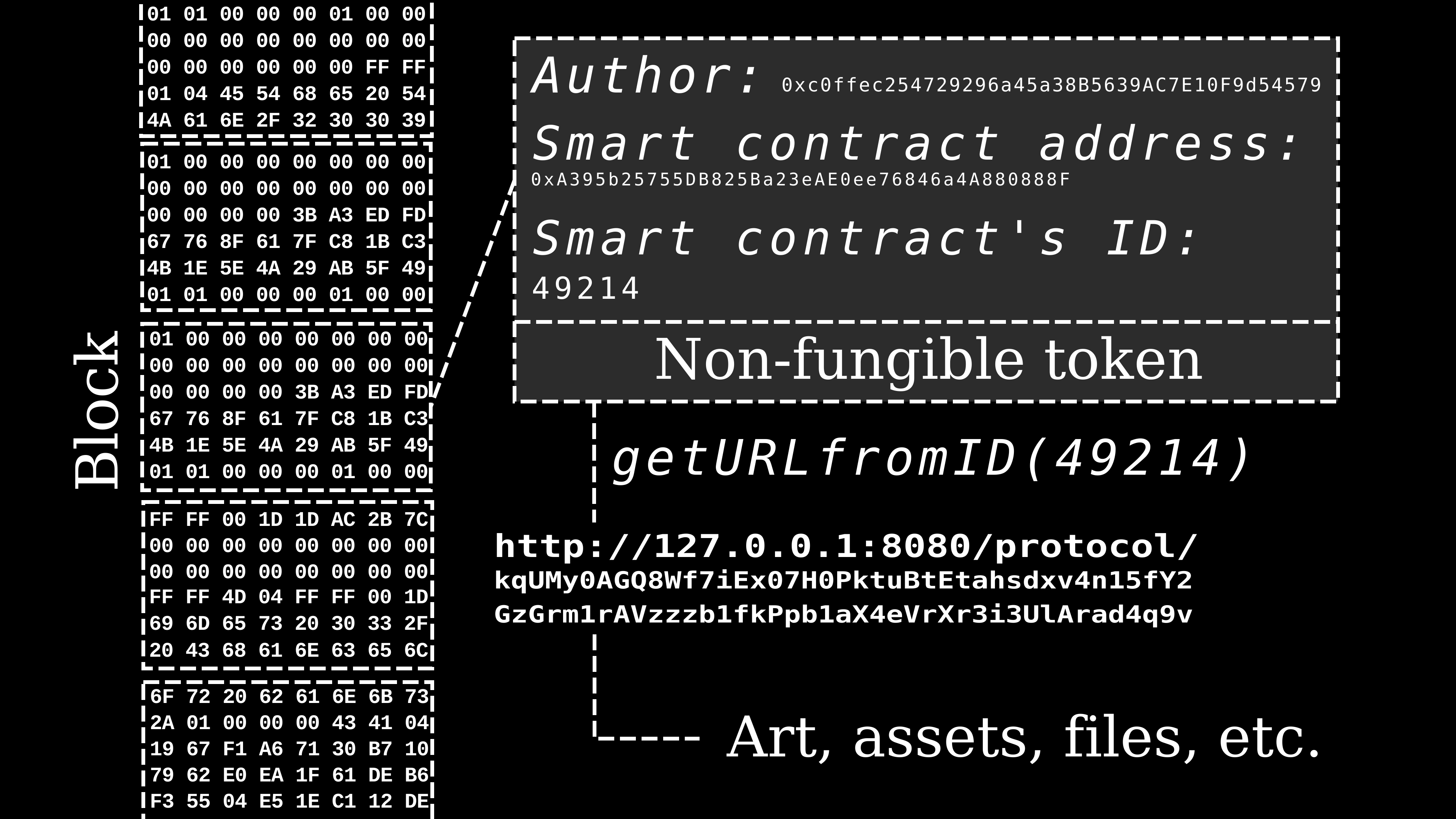
NFTs are built on blockchain technology, which allows for the creation of a unique digital identifier that can be used to certify ownership and authenticity. This is in contrast to cryptocurrencies, which are fungible, meaning they can be exchanged for one another without any difference in value. Christie's Auction House has even started to sell NFT-based art, with pieces like Beeple's 'Everydays: The First 5000 Days' selling for millions of dollars. However, the legal rights conveyed by an NFT are uncertain, and their monetary value is often zero, with over 95% of NFT collections having no monetary value as of September 2023.
🌍 Cultural Impact
The cultural impact of NFTs has been significant, with many artists and creators using them to sell unique digital assets. Grimes and Deadmau5 are just a few examples of artists who have sold NFT-based art, with Snoop Dogg even launching his own NFT collection. However, the environmental impact of NFTs has also been a topic of concern, with the energy consumption required to create and maintain them being significant. Greenpeace has been critical of the NFT market, citing its contribution to climate change.
🔮 Legacy & Future
The future of NFTs is uncertain, with many questioning their long-term viability. Despite this, companies like Facebook and Twitter are exploring the use of NFTs, with Mark Zuckerberg even announcing plans to integrate NFTs into Facebook's platform. As the NFT market continues to evolve, it will be interesting to see how they are used and what impact they will have on the world of art, music, and beyond. Ethereum and Polygon are two blockchain platforms that are leading the charge in NFT development, with Uniswap and Compound being notable DeFi protocols that are exploring NFT-based use cases.
Key Facts
- Year
- 2017
- Origin
- Blockchain technology
- Category
- technology
- Type
- concept
Frequently Asked Questions
What is an NFT?
An NFT, or non-fungible token, is a unique digital identifier recorded on a blockchain that is used to certify ownership and authenticity of digital files such as artworks, photos, and videos. Companies like OpenSea and Rarible have emerged as major players in the NFT market, with NBA Top Shot and Decentraland being notable examples of NFT-based projects. As of September 2023, over 95% of NFT collections had no monetary value, raising questions about their long-term viability.
How do NFTs work?
NFTs are built on blockchain technology, which allows for the creation of a unique digital identifier that can be used to certify ownership and authenticity. This is in contrast to cryptocurrencies, which are fungible, meaning they can be exchanged for one another without any difference in value. Christie's Auction House has even started to sell NFT-based art, with pieces like Beeple's 'Everydays: The First 5000 Days' selling for millions of dollars. However, the legal rights conveyed by an NFT are uncertain, and their monetary value is often zero.
What is the cultural impact of NFTs?
The cultural impact of NFTs has been significant, with many artists and creators using them to sell unique digital assets. Grimes and Deadmau5 are just a few examples of artists who have sold NFT-based art, with Snoop Dogg even launching his own NFT collection. However, the environmental impact of NFTs has also been a topic of concern, with the energy consumption required to create and maintain them being significant. Greenpeace has been critical of the NFT market, citing its contribution to climate change.
What is the future of NFTs?
The future of NFTs is uncertain, with many questioning their long-term viability. Despite this, companies like Facebook and Twitter are exploring the use of NFTs, with Mark Zuckerberg even announcing plans to integrate NFTs into Facebook's platform. As the NFT market continues to evolve, it will be interesting to see how they are used and what impact they will have on the world of art, music, and beyond. Ethereum and Polygon are two blockchain platforms that are leading the charge in NFT development, with Uniswap and Compound being notable DeFi protocols that are exploring NFT-based use cases.
What are some notable NFT-based projects?
Some notable NFT-based projects include NBA Top Shot, Decentraland, and CryptoKitties. These projects have gained significant attention and have helped to popularize the use of NFTs. OpenSea and Rarible are two platforms that have emerged as major players in the NFT market, with Coinbase and Binance also exploring the use of NFTs.