
Contents
Overview
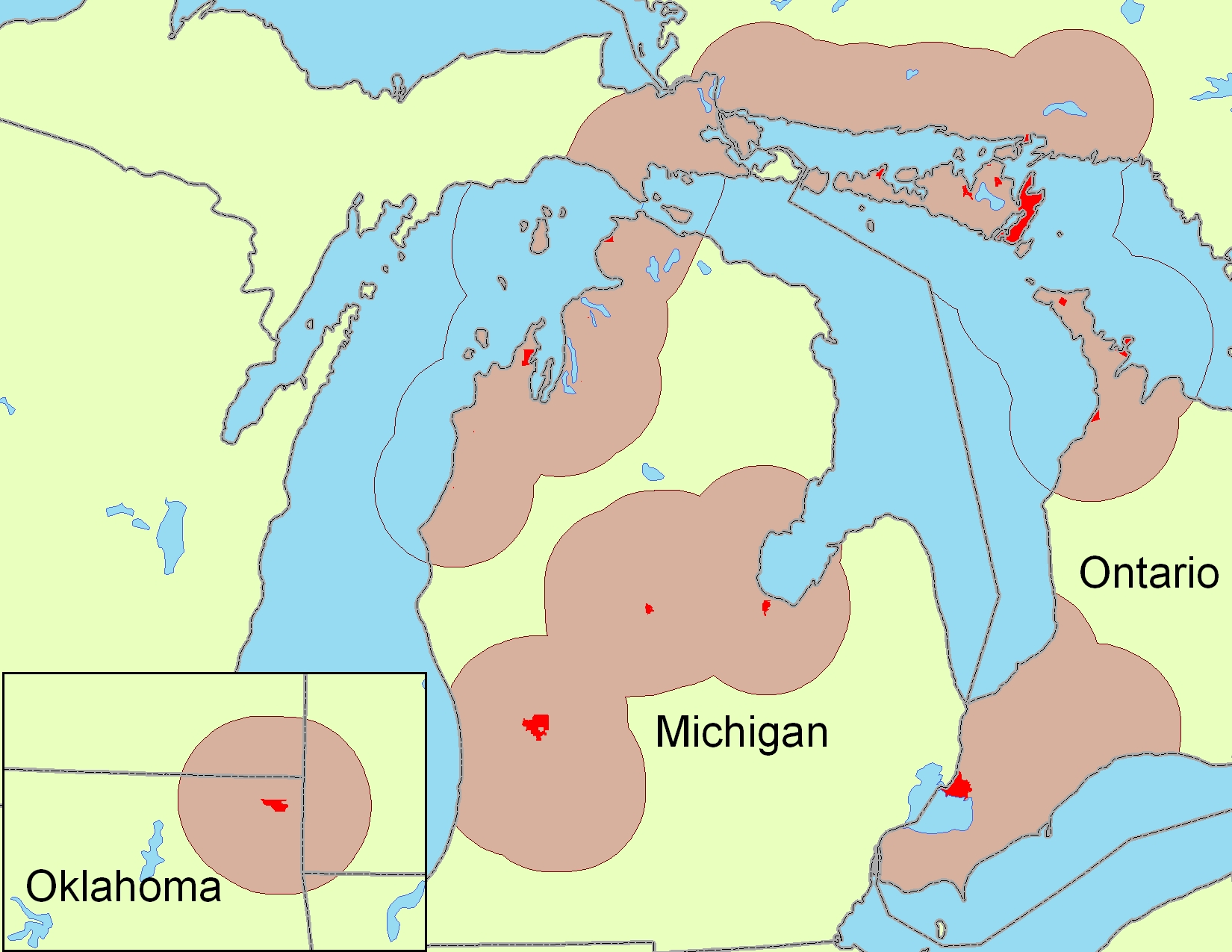
The Odawa's ancestral narrative begins with a migration from the East Coast. Their name, 'Odawaa,' meaning 'traders' or 'to trade,' speaks to their historical role as influential intermediaries in regional commerce, facilitating the exchange of goods and ideas across vast distances. Their territory expanded significantly, encompassing the Ottawa River valley and extending into the present-day states of Michigan and Wisconsin, solidifying their presence in the Eastern Woodlands region long before the establishment of modern national borders. This expansion was often driven by trade networks and alliances with other Anishinaabeg peoples, including the Ojibwe and Potawatomi, with whom they share deep cultural and linguistic connections.
⚙️ Sociopolitical Structure
Historically, Odawa society was organized into semi-nomadic bands, each with its own leadership, often centered around extended family units and guided by consensus-based decision-making. Their governance structures were fluid, adapting to seasonal movements and the demands of trade and diplomacy. The concept of 'Mide' (or Midewiwin) played a crucial role in spiritual and social life, representing a powerful medicine society that preserved traditional knowledge and healing practices. Today, Odawa governance is formalized through tribal councils and First Nations bands, each operating under specific legal frameworks within the United States and Canada. These modern entities focus on asserting tribal sovereignty, managing resources, preserving language and culture, and advocating for the rights and well-being of their members, often engaging with federal and provincial governments on issues of land rights, education, and economic development.
📊 Key Facts & Numbers
These communities collectively manage thousands of acres of ancestral and reservation lands, with varying economic bases ranging from tourism and natural resource management to gaming and retail.
👥 Key People & Organizations
Key figures in Odawa history include leaders who navigated complex relationships with European colonial powers and later, the U.S. and Canadian governments. While specific historical leaders are often known through oral tradition, modern Odawa leadership is represented by elected officials within their respective tribal and First Nations governments. Contemporary figures in arts, politics, and activism continue to emerge, carrying forward the legacy of their ancestors and shaping the future of the Odawa people, though specific widely recognized public figures are less common than within larger, more populous Indigenous groups.
🌍 Cultural Impact & Influence
The Odawa's historical role as traders significantly influenced intertribal relations and early colonial economies in the Great Lakes region. Their traditional knowledge of the land, including sustainable harvesting practices for resources like fish, wild rice, and maple syrup, continues to inform modern environmental stewardship efforts. Ongoing revitalization efforts are aimed at preserving the Odawa language for future generations. Their cultural expressions, including beadwork, quillwork, storytelling, and powwows, contribute to the rich tapestry of Indigenous arts and culture in North America, influencing contemporary Indigenous artists and cultural practitioners.
⚡ Current State & Latest Developments
Many tribes and First Nations are pursuing initiatives in renewable energy, tourism, and cultural heritage preservation. The revitalization of the Odawa language is a significant focus. There is also a growing emphasis on reclaiming and protecting ancestral lands and traditional ecological knowledge, particularly in response to environmental challenges and resource extraction pressures. Political engagement remains crucial, with Odawa representatives actively participating in inter-tribal organizations and advocating for Indigenous rights at various governmental levels.
🤔 Controversies & Debates
The issue of tribal recognition and sovereignty continues to be a point of contention. The preservation of cultural heritage and traditional practices in the face of assimilationist pressures and modernization presents ongoing challenges. Debates also arise regarding resource management, particularly concerning fishing rights and the impact of industrial development on traditional territories, often leading to legal battles and negotiations with state and federal governments.
🔮 Future Outlook & Predictions
The future for the Odawa people appears focused on strengthening self-determination and cultural continuity. Continued efforts in language revitalization, education, and economic diversification are expected to bolster community resilience. There is a growing trend towards intergenerational knowledge transfer, ensuring that traditional practices and wisdom are passed down effectively. Furthermore, Odawa communities are likely to play an increasingly active role in regional environmental stewardship and in advocating for Indigenous perspectives on issues of climate change and land use. The assertion of sovereignty and the pursuit of self-governance will remain central to their long-term vision, aiming to secure a prosperous and culturally vibrant future for generations to come.
💡 Practical Applications
The primary practical application of Odawa culture and knowledge lies in the realm of governance and resource management. Tribal and First Nations governments utilize traditional governance principles alongside modern legal frameworks to manage their territories and resources sustainably. Traditional ecological knowledge informs contemporary conservation efforts, particularly in areas like fisheries management and forest stewardship, as seen in initiatives by groups like the Great Lakes Indian Fish and Wildlife Commission. Cultural heritage tourism, including historical sites and cultural centers, provides economic opportunities while educating the public about Odawa history and traditions. Language revitalization programs serve as a practical tool for cultural preservation and intergenerational connection.
Key Facts
- Category
- culture
- Type
- topic