
Contents
Overview
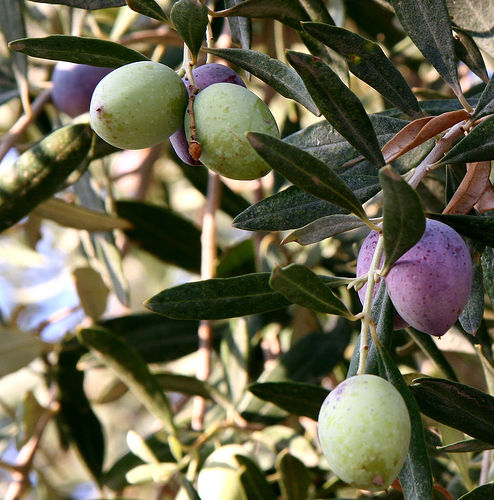
The story of the olive industry is as ancient as civilization itself, with the olive tree first cultivated in the Eastern Mediterranean, most likely in the Levant. Archaeological evidence from Syria and Jordan points to early olive oil production, suggesting a sophisticated understanding of cultivation and extraction techniques by Neolithic peoples. The tree's resilience and ability to thrive in arid Mediterranean climates made it a cornerstone of early economies, spreading through trade routes and conquests. The ancient Greeks revered the olive, associating it with Athena, the goddess of wisdom, and establishing extensive olive groves that formed the basis of their agricultural wealth. The Roman Empire further expanded olive cultivation across its vast territories, from Spain to North Africa, standardizing cultivation practices and developing more efficient pressing methods. This historical foundation laid the groundwork for the modern global olive industry, embedding the olive and its oil into the very identity of Mediterranean cultures.
⚙️ How It Works
The production of olive oil, the industry's primary output, involves a multi-stage process beginning with the harvest of ripe olives. Modern harvesting often employs mechanical shakers and nets to gather the fruit efficiently, though traditional hand-picking is still practiced for premium oils. Once harvested, olives are transported rapidly to an olive mill to prevent spoilage. Here, they undergo a process of washing, crushing into a paste, malaxation (a slow churning of the paste to allow oil droplets to coalesce), and separation. Historically, this separation was achieved through hydraulic presses, but contemporary mills predominantly use centrifugal decanters and separators. The quality of the final product, particularly extra virgin olive oil, hinges on factors like the speed of processing, the temperature maintained (cold-pressing, below 27°C or 80°F), and the absence of defects in the fruit, as meticulously defined by the International Olive Council.
📊 Key Facts & Numbers
The global olive oil market is a multi-billion dollar enterprise, with an estimated annual production of around 3 million metric tons. Spain remains the world's largest producer, followed by Italy and Greece. The European Union collectively dominates production, but countries like Tunisia, Turkey, Morocco, and Syria are significant contributors. Countries like Tunisia, Turkey, the United States, and Australia play significant roles in olive oil production. The United States is a growing producer, particularly in California, with production increasing by over 50% in the last decade. Table olive production also represents a substantial segment, with global consumption exceeding 1.2 million tons annually, led by countries like Spain, Egypt, and Algeria. The average price for extra virgin olive oil can fluctuate significantly, depending on quality, origin, and market conditions, with premium oils commanding much higher prices.
👥 Key People & Organizations
Key figures and organizations shape the olive industry's trajectory. The International Olive Council (IOC), based in Madrid, Spain, is the leading intergovernmental organization dedicated to promoting olive oil and table olives, setting quality standards, and fostering international cooperation among its 19 member states. Prominent producing regions are often represented by their own associations, such as the Interprofessional Organization of Spanish Olive Oil (INTEROLIVA) and the Italian Extra Virgin Olive Oil Consortium. Leading global olive oil brands like Deoleo (owner of brands such as Bertolli and Carapelli) and Sovena Group (with brands like Andorinha) wield significant market influence. Innovators in cultivation and processing, such as Xavier Alauze of Château Virant in France, are pushing the boundaries of quality and sustainability, while researchers at institutions like the University of Jaén in Spain continuously contribute to understanding olive genetics and disease resistance.
🌍 Cultural Impact & Influence
The olive industry's cultural resonance is profound, deeply embedded in the Mediterranean diet. Olive oil is not merely a cooking medium but a symbol of health, longevity, and hospitality. Its use in religious ceremonies, from ancient Pagan rituals to Christianity and Judaism, further underscores its symbolic importance. The iconic image of the olive tree itself, with its gnarled trunk and silvery leaves, has inspired countless artists, writers, and poets, becoming a powerful emblem of peace and resilience. The industry also shapes the very landscapes of regions like Tuscany and Andalusia, creating picturesque vistas that drive tourism and contribute to local identities. The widespread adoption of the Mediterranean diet globally has further amplified the cultural reach of olive products.
⚡ Current State & Latest Developments
The olive industry is currently navigating a complex landscape marked by significant developments. Climate change poses a substantial threat, with rising temperatures and erratic rainfall impacting yields in traditional growing regions like Spain and Italy, leading to price volatility and concerns about future supply. The Xylella fastidiosa bacterium continues to devastate olive groves, particularly in southern Italy, prompting urgent research and containment efforts. Simultaneously, there's a growing consumer demand for high-quality, traceable, and sustainably produced olive oil, driving innovation in farming practices and processing technologies. New regions, including Australia, Chile, and parts of the United States, are expanding their production, diversifying the global supply chain. The market is also seeing a surge in interest in single-varietal and artisanal olive oils, moving beyond generic blends.
🤔 Controversies & Debates
The olive industry is no stranger to controversy, most notably concerning the widespread issue of olive oil adulteration. Reports from organizations like the Extra Virgin Alliance and investigative journalists have exposed systematic fraud, where cheaper oils are blended with or substituted for genuine extra virgin olive oil, deceiving consumers and undermining legitimate producers. This has led to increased scrutiny from regulatory bodies like the FDA in the US and the European Commission. Another point of contention is the environmental impact of large-scale olive farming, including water usage in arid regions and the disposal of olive mill wastewater (alpechín), which can be highly polluting if not treated properly. Debates also arise over the definition and labeling of 'extra virgin,' with differing standards and testing methodologies across countries contributing to confusion.
🔮 Future Outlook & Predictions
The future of the olive industry will likely be shaped by technological advancements and adaptation to environmental challenges. Precision agriculture, utilizing sensors, drones, and data analytics, will become increasingly crucial for optimizing irrigation, fertilization, and pest management, especially in the face of water scarcity and disease threats like Xylella fastidiosa. Genetic research into drought-resistant and disease-tolerant olive varieties will be paramount. The industry may also see a continued geographical diversification, with new regions emerging as significant producers. Furthermore, enhanced traceability technologies, such as blockchain, could help combat adulteration and build consumer trust. The demand for specialty olive oils, including those with specific health benefits or unique flavor profiles, is expected to grow, fostering a more nuanced
Key Facts
- Category
- culture
- Type
- topic