
Contents
- 🌱 What Are Ornamental Plants, Really?
- ✨ Beyond the Bloom: Functions and Form
- 🧬 The Science (and Non-Science) of Breeding
- 🌿 Perennials: The Long Game of Beauty
- 🌾 Ornamental Grasses: Unsung Heroes
- 🏡 Shaping Space: Beyond Aesthetics
- 🌍 Global Influence and Cultivars
- 💡 Choosing the Right Ornamental for You
- Frequently Asked Questions
- Related Topics
Overview
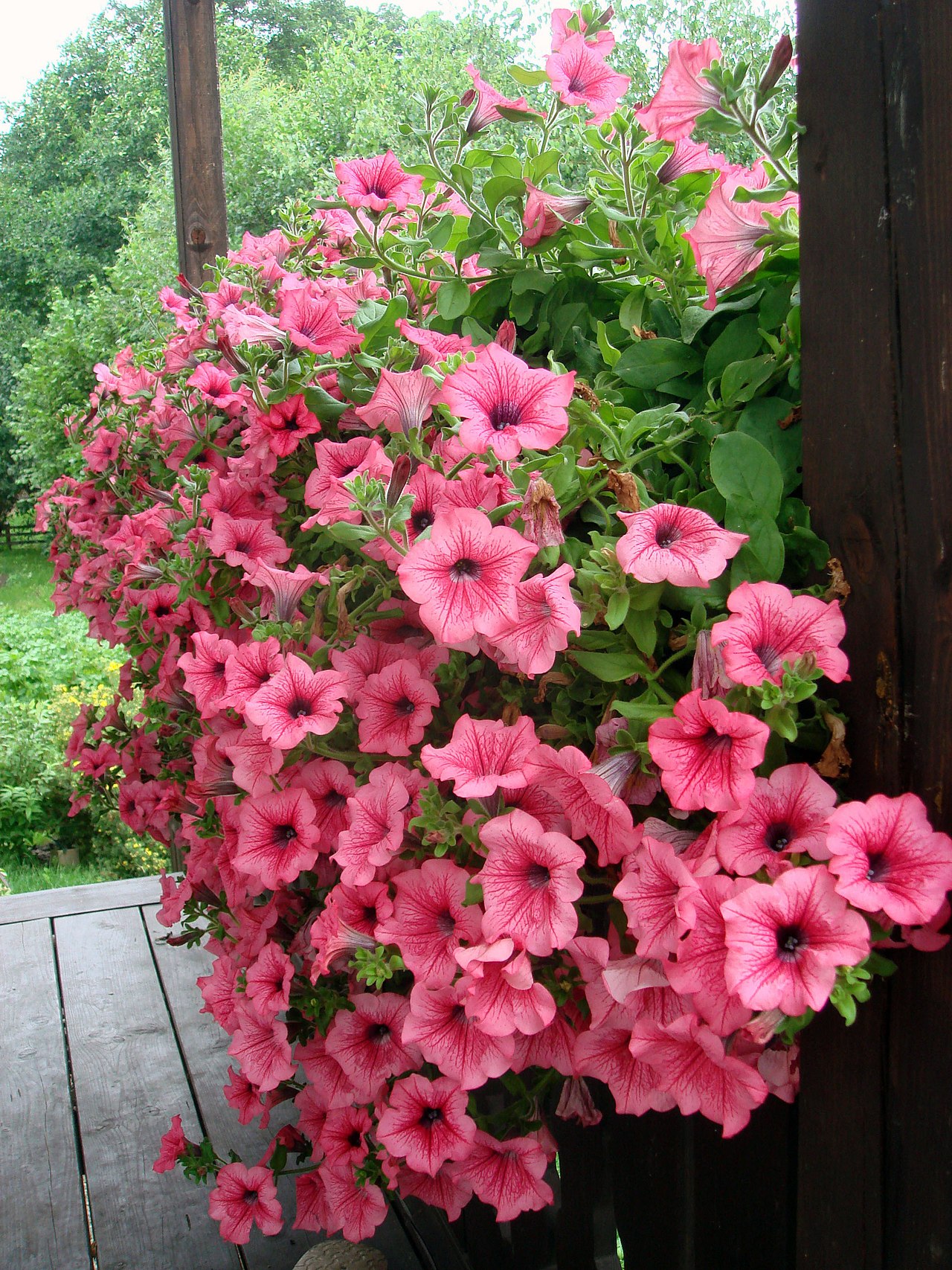
Ornamental plants, at their heart, are cultivated for their visual appeal – think vibrant flowers, striking foliage, or elegant forms. While the term isn't a strict botanical classification, it broadly encompasses plants valued for their aesthetic contributions to gardens and landscapes. This includes everything from the humble pansy to the majestic Japanese maple. Many are specially bred cultivated varieties designed to enhance traits like bloom color, scent intensity, or plant structure, often diverging significantly from their wild ancestors. The goal is to elevate the garden experience, turning a patch of earth into a living work of art.
✨ Beyond the Bloom: Functions and Form
The appeal of ornamental plants extends far beyond mere prettiness. They serve crucial functions in garden design, providing structure, height, and privacy. Consider the dense foliage of a Ilex aquifolium offering a year-round screen, or the towering presence of a Delphinium elatum adding vertical drama. Their scent can transform an outdoor space into an olfactory delight, with plants like Lavandula angustifolia or Gardenia jasminoides being prime examples. Even the way a plant naturally grows – its habit – contributes to the overall spatial composition of a garden.
🧬 The Science (and Non-Science) of Breeding
The distinction between a wild species and a prized ornamental often lies in horticultural selection. While scientific botany focuses on species and their evolutionary lineages, horticulture actively manipulates these lines to create desirable traits. This has led to an explosion of cultivars, each a unique genetic variation selected for improved characteristics like disease resistance, extended flowering periods, or more intense coloration. However, it's crucial to remember that many stunning ornamentals are simply original species, thriving without extensive human intervention, proving nature's own artistry.
🌿 Perennials: The Long Game of Beauty
For gardeners seeking enduring beauty and reduced annual effort, plants that live for more than two years are indispensable. These workhorses return year after year, establishing root systems that allow them to weather seasons and often grow larger and more impressive with time. Their seeds, or vegetative propagation methods, ensure their lineage continues, providing a reliable source of color and texture. From the dependable Hosta spp. with their varied foliage to the cheerful Echinacea purpurea, perennials form the backbone of many successful ornamental gardens.
🌾 Ornamental Grasses: Unsung Heroes
Ornamental grasses are the unsung heroes of the ornamental plant world, offering a unique blend of texture, movement, and year-round interest. Their versatility is astounding; they can provide delicate groundcover, dramatic focal points, or elegant screening. Crucially, they are often remarkably low-maintenance, requiring minimal watering and feeding once established. Varieties like Calamagrostis x acutiflora 'Karl Foerster'|Karl Foerster or Festuca glauca add a dynamic, architectural quality that complements flowering plants beautifully.
🏡 Shaping Space: Beyond Aesthetics
Ornamental plants are powerful tools for shaping physical space. Beyond their visual appeal, they can define boundaries, create intimate seating areas, or guide movement through a landscape. A carefully chosen hedge, for instance, can transform an open lawn into distinct garden rooms. Tall, slender plants can add verticality without overwhelming a small space, while mounding shrubs can soften hard architectural lines. The strategic placement of ornamental trees and shrubs can even influence microclimates, providing shade and reducing wind exposure.
🌍 Global Influence and Cultivars
The global exchange of plant species and the subsequent development of cultivars have profoundly shaped ornamental horticulture. Plants once confined to specific continents are now commonplace worldwide, thanks to dedicated scientists who study plants and horticulturists. This has led to a vast array of 'garden varieties' – cultivars specifically bred for ornamental purposes, often bearing little resemblance to their wild progenitors. Understanding the origins of these plants, and the development of gardening practices, can deepen appreciation for their journey from wild specimen to garden staple.
💡 Choosing the Right Ornamental for You
Selecting the right ornamental plant involves more than just picking the prettiest option. Consider your climate, soil type, and the amount of sunlight your garden receives. Think about the plant's mature size and its growth habit – will it provide the desired height, spread, or privacy? Low-maintenance options like Sedum spp. or ornamental grasses are excellent for busy gardeners, while those with more time might enjoy the challenge of nurturing more demanding species. Always research a plant's specific needs to ensure its long-term success and your gardening satisfaction.
Key Facts
- Year
- Prehistoric
- Origin
- Ancient Civilizations
- Category
- Horticulture & Botany
- Type
- Concept
Frequently Asked Questions
Are all ornamental plants bred by humans?
No, not all ornamental plants are the result of human breeding. Many species are naturally beautiful and are cultivated in gardens in their original form. However, a significant number of the most popular ornamental plants are specific cultivars or hybrids that have been selectively bred by horticulturists to enhance certain desirable traits like flower color, size, or fragrance.
What's the difference between an ornamental plant and a food plant?
The primary difference lies in their purpose. Ornamental plants are grown for their aesthetic qualities – beauty, scent, or form – to enhance landscapes and gardens. Food plants, on the other hand, are cultivated for consumption, providing fruits, vegetables, grains, or other edible parts. Some plants can serve both purposes, like a fruit tree that also offers beautiful blossoms.
Are ornamental plants difficult to care for?
Care requirements vary widely. Some ornamental plants, like many ornamental grasses or succulents, are exceptionally low-maintenance. Others, particularly highly hybridized cultivars or those not suited to the local climate, can be demanding. Researching a specific plant's needs regarding sunlight, water, soil, and pruning is crucial for successful cultivation.
Can ornamental plants attract pollinators?
Absolutely. Many ornamental plants, especially those with abundant flowers, are excellent at attracting pollinators like bees, butterflies, and hummingbirds. Choosing native or pollinator-friendly ornamental species can significantly benefit local ecosystems and contribute to garden biodiversity.
What does 'cultivar' mean in relation to ornamental plants?
A cultivar (short for 'cultivated variety') is a plant that has been produced by selective breeding or discovered in cultivation and has been given a distinct name. Cultivars are often developed to possess unique characteristics such as unusual flower colors, improved disease resistance, or a specific growth habit, setting them apart from the original wild species.
How do ornamental plants contribute to privacy?
Certain ornamental plants, particularly those with dense foliage, fast growth rates, or a naturally upright habit, can be used to create living screens or hedges. Examples include shrubs that retain their leaves year-round like certain types of Thuja occidentalis or Ligustrum spp., which can effectively block views and reduce noise.