
Contents
- 🎵 Origins & History
- ⚙️ How It Works
- 📊 Key Facts & Numbers
- 👥 Key People & Organizations
- 🌍 Cultural Impact & Influence
- ⚡ Current State & Latest Developments
- 🤔 Controversies & Debates
- 🔮 Future Outlook & Predictions
- 💡 Practical Applications
- 📚 Related Topics & Deeper Reading
- Frequently Asked Questions
- References
- Related Topics
Overview
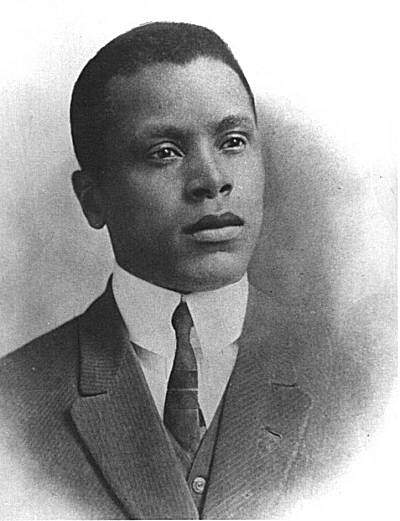
Oscar Devereaux Micheaux's journey began on January 2, 1884, near Metropolis, Illinois, a testament to the burgeoning Black entrepreneurial spirit in post-Reconstruction America. Born into a family of farmers, Micheaux's early life was marked by a drive for self-improvement and a keen understanding of narrative. He self-published his first novel, 'The Homesteader,' in 1917, a semi-autobiographical work that would later become his first film. This independent publishing route foreshadowed his later approach to filmmaking, where he would bypass traditional studio systems. By 1919, he had founded the Micheaux Film Corporation, a bold move that positioned him as a pioneer in an industry overwhelmingly dominated by white producers. His early films, like 'The Homesteader' (1919) and 'Within Our Gates' (1920), were groundbreaking for their time, directly addressing themes of racism, lynching, and Black identity, often in stark contrast to the minstrelsy prevalent in mainstream cinema. This foundational period established Micheaux not just as a filmmaker, but as a cultural force.
⚙️ How It Works
Micheaux's filmmaking process was characterized by its independent, often shoestring, nature. He operated outside the established Hollywood studio system, which meant he controlled every aspect of production, from scriptwriting and directing to distribution. This autonomy allowed him to tackle subjects deemed too controversial or unprofitable by major studios, particularly those concerning the Black experience. His films were typically shot quickly, often on location, and distributed through a network of Black theaters and community screenings across the country. This direct-to-audience model bypassed the gatekeepers of mainstream exhibition, ensuring his work reached its intended Black audiences. He was adept at adapting his novels into screenplays, maintaining a consistent narrative voice across his diverse filmography. The technical aspects of his films, while sometimes rudimentary by modern standards, were functional and served his primary goal: to tell stories that mattered to Black Americans, often featuring Black actors in leading roles, a rarity in the era.
📊 Key Facts & Numbers
Over his career, Oscar Micheaux produced and directed an astonishing 44 films, a staggering output for an independent filmmaker navigating the racial landscape of early 20th-century America. Of these, only a handful survive today, making his complete oeuvre a subject of intense scholarly interest and preservation efforts. His films were primarily distributed to an audience estimated in the millions, primarily within Black communities across the United States. Financially, Micheaux's ventures were often precarious; he frequently mortgaged his own property to fund his productions, demonstrating a deep personal commitment to his craft. For instance, 'Body and Soul' (1925), starring Paul Robeson, is estimated to have grossed $500,000 on a budget of $15,000, showcasing the potential profitability of race films when executed effectively. His prolific writing career also saw the publication of at least six novels between 1917 and 1947, further solidifying his status as a multi-talented artist.
👥 Key People & Organizations
Oscar Micheaux's professional orbit included a constellation of Black artists and entrepreneurs who were instrumental in the race film movement. William Alexander Brown, a key collaborator, often served as a producer and business partner in the early days. William F. Harrison was another frequent collaborator, acting in and assisting with production. The legendary performer Paul Robeson starred in Micheaux's 1925 silent film 'Body and Soul,' a pivotal role that launched Robeson's film career. Micheaux also worked with actors like Ida Williams and Louise Beavers, who became prominent figures in Black cinema. Organizations like the Lincoln Motion Picture Company, though a competitor, represented the broader ecosystem of Black-owned film ventures that Micheaux was a part of. His independent production houses, including the Micheaux Film Corporation and later the Micheaux Picture Corporation, were the engines of his creative output.
🌍 Cultural Impact & Influence
The cultural impact of Oscar Micheaux's work is immeasurable, particularly in its challenge to the pervasive racist caricatures found in mainstream Hollywood cinema of the era. By centering Black characters and narratives, Micheaux provided Black audiences with images of themselves that were complex, aspirational, and human. His films explored themes of racial uplift, the struggles of Black farmers, the complexities of interracial relationships, and the violence of white supremacy, offering a counter-narrative to the dominant discourse. Films like 'Within Our Gates' (1920) directly confronted the horrors of lynching, a subject rarely, if ever, depicted with such urgency by white filmmakers. His success as an independent producer and director demonstrated the viability of Black-owned businesses in the entertainment industry and inspired countless aspiring Black artists. His legacy is cemented by his induction into the Black Filmmakers Hall of Fame and a star on the Hollywood Walk of Fame, recognizing his foundational role in American film history.
⚡ Current State & Latest Developments
In the 21st century, Oscar Micheaux's work is experiencing a significant resurgence in critical and academic interest. Film archives and preservation societies, such as the Library of Congress and the UCLA Film & Television Archive, are actively working to restore and preserve his surviving films, making them accessible to new generations. Retrospectives of his work are frequently held at film festivals and academic institutions worldwide. Contemporary filmmakers, including Spencer Wade and Ava DuVernay, have cited Micheaux as a crucial influence, highlighting his pioneering spirit and his commitment to authentic Black storytelling. The ongoing digitization of film archives and the increasing availability of streaming platforms are also contributing to a broader appreciation of his contributions, ensuring his films can be studied and enjoyed beyond specialized academic circles.
🤔 Controversies & Debates
Micheaux's career was not without controversy. His films often depicted Black characters in ways that some critics, both Black and white, found problematic, including portrayals of Black-on-Black crime and internalized racism. His film 'The Symbol of the Unconquered' (1920) was criticized by some for its depiction of Black characters engaging in vigilantism, while others saw it as a necessary response to the systemic violence faced by the Black community. Furthermore, his business practices sometimes led to disputes, and his independent status meant he often operated on the fringes, making him a target for criticism from both within and outside the Black community. The very nature of 'race films' was debated; while they provided opportunities for Black artists and audiences, some argued they reinforced racial divisions by catering exclusively to Black patrons, a point Micheaux himself often countered by highlighting the exclusionary practices of mainstream Hollywood.
🔮 Future Outlook & Predictions
The future outlook for Oscar Micheaux's legacy is one of continued rediscovery and re-evaluation. As more of his films are restored and made accessible, scholars and audiences will gain a deeper understanding of his artistic range and thematic concerns. There is a growing movement to recognize Micheaux not just as a historical figure but as a vital contributor to the ongoing evolution of American cinema, particularly in the realm of diverse storytelling. Initiatives aimed at funding new Black filmmakers often draw inspiration from Micheaux's independent spirit and his ability to overcome systemic barriers. The ongoing scholarly work on his filmography, coupled with potential biographical films or documentaries about his life, suggests that his influence will continue to resonate, solidifying his place as a foundational figure in cinematic history.
💡 Practical Applications
The primary 'practical application' of Oscar Micheaux's work lies in its enduring power as a historical and cultural artifact. His films serve as invaluable primary sources for understanding the social, political, and cultural realities of African Americans during the Jim Crow era. For historians, sociologists, and cultural critics, Micheaux's cinematic output provides a unique window into Black community life, aspirations, and struggles that were largely ignored or distorted by mainstream media. For aspiring filmmakers, particularly those from underrepresented backgrounds, Micheaux's career offers a blueprint for independent production, demonstrating the possibility of creating meaningful work outside of conventional industry structures. His storytelling techniques and thematic concerns continue to inform contemporary narratives about race and identity in America, making his films relevant for educational purposes in film studies, history, and African American studies programs.
Key Facts
- Year
- 1884-1951
- Origin
- United States
- Category
- culture
- Type
- person
Frequently Asked Questions
Who was Oscar Micheaux and why is he significant?
Oscar Devereaux Micheaux (1884-1951) was a pioneering African-American filmmaker and author, widely regarded as the first major Black feature filmmaker in the United States. His significance lies in his independent production of over 44 films during an era of intense racial segregation, offering Black audiences narratives and portrayals often absent from mainstream Hollywood. He produced 'race films' that tackled complex social issues, providing a vital counter-narrative and challenging racial stereotypes, thereby carving out a crucial space for Black storytelling in early American cinema.
What were Oscar Micheaux's most famous films?
Among Oscar Micheaux's most notable films are 'The Homesteader' (1919), based on his own novel and considered his directorial debut; 'Within Our Gates' (1920), a powerful response to the Tulsa race massacre and the horrors of lynching; and 'Body and Soul' (1925), which starred Paul Robeson and is celebrated for its artistic merit and critical success. Other significant works include 'The Symbol of the Unconquered' (1920) and 'The Exile' (1931), his first sound film. Many of his films are now lost, making the surviving ones particularly precious.
What challenges did Oscar Micheaux face as a filmmaker?
Micheaux faced immense challenges throughout his career, primarily due to the pervasive racism and segregation of his time. He operated outside the established Hollywood studio system, which meant he had to secure his own funding, often through personal loans and mortgaging his property, a precarious financial situation. Distribution was another hurdle; he had to create his own network to show his films in Black theaters and community venues, bypassing white-controlled exhibition chains. Furthermore, he contended with censorship, negative press, and the constant struggle to maintain artistic integrity while navigating the economic realities of independent filmmaking in a hostile environment.
How did Oscar Micheaux's films differ from mainstream Hollywood productions?
Micheaux's films fundamentally differed from mainstream Hollywood productions by centering Black characters and experiences with a degree of authenticity and complexity rarely seen elsewhere. While Hollywood often perpetuated racist stereotypes and minstrelsy, Micheaux's movies explored themes of racial uplift, Black identity, the struggles of Black farmers, and the brutal realities of racism, including lynching. He cast Black actors in leading roles, offering them opportunities and visibility. His narratives often presented Black protagonists with agency and moral depth, providing a stark contrast to the one-dimensional or villainous portrayals common in white-produced films of the era.
What is the legacy of Oscar Micheaux today?
Oscar Micheaux's legacy is that of a true pioneer who defied immense odds to create a significant body of work that remains vital for understanding American cinema and Black history. His films are now recognized as foundational texts in African-American cinema and are studied for their artistic innovation and social commentary. Preservation efforts are ongoing to save his surviving works, and retrospectives continue to highlight his contributions. Contemporary filmmakers, like Ava DuVernay, cite him as an inspiration, underscoring his lasting impact on the pursuit of diverse and authentic storytelling in film. His induction into the Black Filmmakers Hall of Fame and a star on the Hollywood Walk of Fame further cement his status as a cinematic icon.
Where can I watch Oscar Micheaux's surviving films?
Watching Oscar Micheaux's surviving films can be challenging due to their rarity and the ongoing preservation efforts. Some of his films are available through specialized distributors focusing on classic or independent cinema, and occasionally appear on streaming platforms dedicated to historical or arthouse content. Film archives like the Library of Congress and UCLA Film & Television Archive hold prints and are involved in restoration projects. Check with academic film departments, repertory cinemas, and specialized online archives for current availability, as prints are often screened rather than widely distributed for home viewing.
What was Oscar Micheaux's relationship with Paul Robeson?
Oscar Micheaux's most significant collaboration with Paul Robeson was for the 1925 silent film 'Body and Soul.' Micheaux cast Robeson in the dual role of a virtuous minister and a corrupt gambler, a performance that showcased Robeson's immense talent and charisma. This film was a critical and commercial success, significantly boosting both Micheaux's reputation and launching Robeson's career in motion pictures. Their collaboration demonstrated Micheaux's ability to attract and showcase major Black talent, contributing to the artistic quality and impact of his race films.