
Contents
Overview
The Pennsylvania Railroad aimed to create a direct, efficient route that would bypass existing, less reliable waterways and canals. Its founders, including figures like Alexander Dallas Bache and John Edgar Thomson, aimed to create a direct, efficient route that would bypass existing, less reliable waterways and canals. The PRR's early years were marked by rapid expansion, often through acquisition and consolidation of smaller lines, a strategy that would define its growth for decades. By the late 19th century, it had become a dominant force, absorbing or controlling hundreds of smaller rail companies, a testament to its aggressive business model and strategic foresight. This relentless expansion cemented its status as the 'Standard Railroad of the World,' a moniker earned through its sheer scale and operational efficiency, setting a precedent for corporate growth in the industrial age.
⚙️ How It Worked: The Engine of Commerce
The operational prowess of the Pennsylvania Railroad was legendary, built on a foundation of engineering excellence and meticulous management. Its extensive network, stretching from the Atlantic coast to the Midwest, was a marvel of logistical coordination, handling an immense volume of freight and passengers. The PRR was an early adopter of technological advancements, from steam locomotive innovation to electrification of key lines, most notably its ambitious electrification project in the New York metropolitan area and Philadelphia starting in the 1910s. This commitment to modernization allowed it to maintain a significant edge over competitors, enabling faster transit times and greater carrying capacity. The company's integrated approach extended to its own manufacturing facilities, like the Altoona Works, which produced locomotives and rolling stock, ensuring a high degree of control over its infrastructure and operational quality.
📊 Key Facts & Numbers
The Pennsylvania Railroad was headquartered in Philadelphia. By the late 19th century, it had become a dominant force, absorbing or controlling hundreds of smaller rail companies. The PRR's extensive network stretched from the Atlantic coast to the Midwest. The PRR was an early adopter of technological advancements, from steam locomotive innovation to electrification of key lines. The company's integrated approach extended to its own manufacturing facilities, like the Altoona Works.
👥 Key People & Organizations
The Pennsylvania Railroad's story is intertwined with numerous influential figures and powerful organizations. Alexander Dallas Bache was instrumental in its early chartering and development. John Edgar Thomson served as its chief engineer and later president, shaping its expansion and operational philosophy. The Vanderbilt family were key figures in the rival New York Central Railroad, their competition defining much of the 20th-century railway landscape. The Association of American Railroads also played a role in industry standards and advocacy, though the PRR often set its own benchmarks. Post-merger, figures like Albert G. Paley and David P. Smith were involved in the complex transition to Penn Central Transportation.
🌍 Cultural Impact & Influence
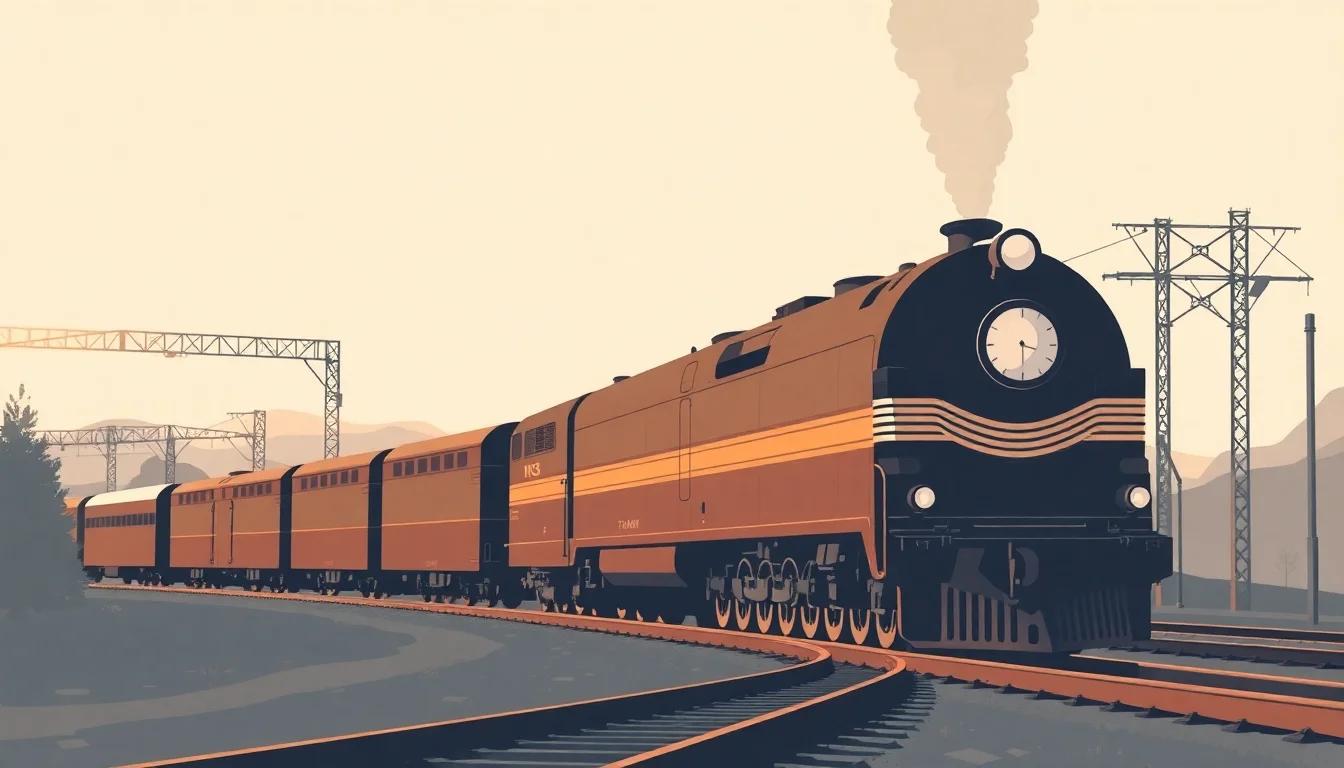
The cultural footprint of the Pennsylvania Railroad was immense, permeating American life and imagination. Its iconic keystone logo became a symbol of reliability and progress, adorning everything from passenger cars to corporate advertisements. The PRR was a frequent subject in art and literature, often depicted as the backbone of American industry and westward expansion. Its passenger services, including the famed Broadway Limited and Fleet of Streamliners, represented the pinnacle of luxury and speed for travelers, influencing perceptions of modern transportation. The company's marketing efforts, often featuring artwork by artists like Grif Teller, cemented its image as a powerful, benevolent force in American society. The very rhythm of American cities and towns was often dictated by the schedules and routes of the Pennsy.
⚡ Current State & Latest Developments
While the Pennsylvania Railroad as an independent entity ceased to exist in 1968, its legacy continues to resonate. The infrastructure it built, though often operated by successor companies, remains a critical part of the North American rail network. Historic stations, many of which were grand architectural statements commissioned by the PRR, are still in use or have been repurposed, serving as tangible links to its past. Preservation societies, like the Pennsylvania Railroad Historical Society, actively maintain its archives and promote its history. The operational challenges and financial mismanagement that plagued its successor, Penn Central Transportation, serve as cautionary tales in corporate governance and industrial transition, lessons still studied today in business schools.
🤔 Controversies & Debates
The most significant controversy surrounding the Pennsylvania Railroad is its eventual, catastrophic merger with the New York Central Railroad to form Penn Central Transportation in 1968. This merger, intended to create a more robust and competitive entity, instead led to one of the largest bankruptcies in American history just two years later. Critics argue that the merger was poorly conceived, burdened by outdated management practices, excessive debt, and a failure to adapt to changing economic conditions, particularly the rise of trucking and air travel. The PRR's own financial health had been declining for years, and its integration with the equally troubled NYC proved to be a fatal combination. The subsequent collapse had profound economic and social consequences for the regions it served, leading to massive job losses and a significant disruption of freight and passenger service.
🔮 Future Outlook & Predictions
The future of the Pennsylvania Railroad's legacy lies in its continued influence on modern infrastructure and transportation policy. While direct passenger service under the PRR banner is long gone, the principles of integrated logistics and large-scale network management it pioneered remain relevant. Experts suggest that the lessons learned from the Penn Central debacle could inform future consolidation efforts in the transportation sector, emphasizing the need for careful financial planning and adaptation to market shifts. There's also a growing interest in revitalizing historic rail corridors for high-speed passenger service, potentially breathing new life into routes originally laid by the Pennsy. The ongoing debate about the role of freight rail in climate change mitigation also brings renewed attention to the efficiency and capacity of rail networks, a domain where the PRR once reigned supreme.
💡 Practical Applications
The Pennsylvania Railroad's primary application was, of course, transportation. It moved vast quantities of raw materials like coal and iron ore from Appalachia to industrial centers, and delivered finished goods to markets across the country. Its passenger services were crucial for business travel and personal migration, connecting major cities like New York, Philadelphia, Chicago, and Washington D.C. with unparalleled speed and comfort for its time. Beyond direct transport, the PRR's operations spurred the growth of ancillary industries, from steel manufacturing and locomotive production to hotel chains and
Key Facts
- Category
- history
- Type
- topic