
Contents
Overview
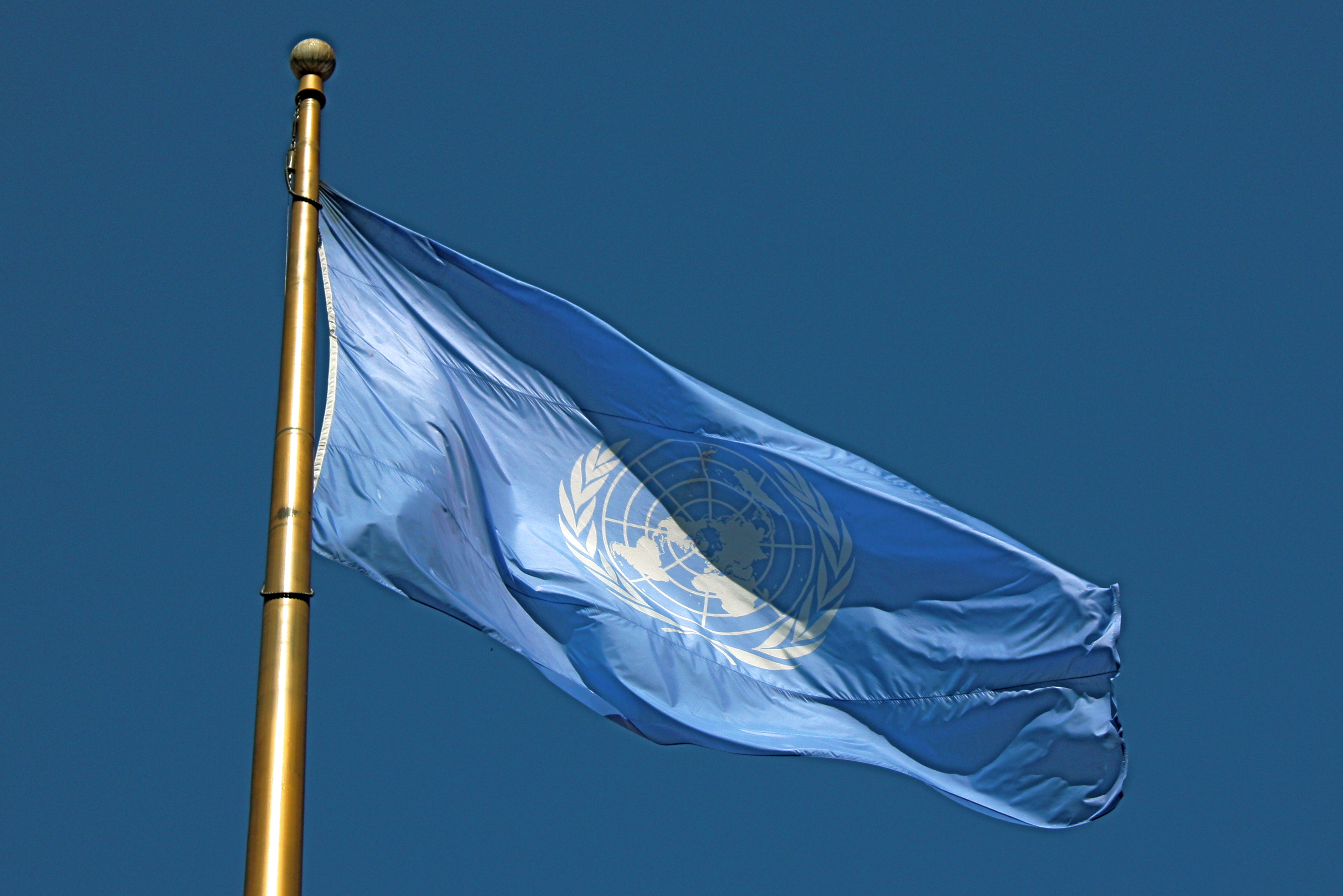
The roots of political globalization can be traced back to ancient empires and early forms of diplomacy, but its modern iteration truly began to coalesce in the aftermath of World War II. The devastation of the war spurred a desire for international cooperation to prevent future conflicts, leading to the establishment of the United Nations. This marked a significant shift from the pre-war era dominated by nation-states and bilateral treaties. The Cold War era saw the rise of blocs and proxy conflicts, further internationalizing political struggles, while the post-Cold War period witnessed an explosion in the number and influence of international non-governmental organizations (INGOs) and transnational advocacy networks, such as Amnesty International and Greenpeace, which began to exert pressure on national governments and international bodies. The late 20th and early 21st centuries have seen an acceleration of these trends, with the rise of global governance frameworks and the increasing interconnectedness of political issues.
⚙️ How It Works
Political globalization operates through a complex network of formal and informal channels. At its core are intergovernmental organizations (IGOs) like the World Bank, the International Monetary Fund (IMF), and the World Trade Organization (WTO), which set rules and facilitate cooperation among member states. Beyond these formal structures, global civil society plays a crucial role through INGOs that lobby governments, monitor human rights, and advocate for policy changes on issues ranging from environmental protection to disarmament. Transnational social movements can mobilize public opinion and exert pressure on political agendas. Furthermore, the proliferation of international law and norms, often codified in treaties and conventions, creates a framework that increasingly constrains national sovereignty and shapes political decision-making worldwide.
📊 Key Facts & Numbers
The scale of political globalization is staggering. The number of international treaties registered with the UN Secretariat has grown exponentially, from a few hundred in the mid-20th century to tens of thousands today.
👥 Key People & Organizations
Key figures and organizations are central to the architecture of political globalization. The United Nations remains the preeminent global body. The European Union represents a deep form of regional political integration, influencing global norms. Prominent INGOs such as Human Rights Watch and Médecins Sans Frontières (MSF) have become powerful voices on the international stage, often challenging state actions. Think tanks like the Council on Foreign Relations and the Chatham House also play a significant role in shaping policy discourse.
🌍 Cultural Impact & Influence
Political globalization has profoundly reshaped global consciousness and action. It has fostered a sense of shared responsibility for issues like climate change, pandemics, and human rights, leading to the development of global norms and standards. The rise of international criminal justice, exemplified by the International Criminal Court (ICC), reflects a growing belief that certain crimes transcend national borders. Global media networks and the internet have facilitated the rapid spread of political ideas and movements, enabling transnational solidarity and activism. However, this interconnectedness also means that political instability or crises in one region can have ripple effects globally, as seen with the Arab Spring uprisings or the global refugee crises.
⚡ Current State & Latest Developments
In the current geopolitical climate of 2024-2025, political globalization faces significant headwinds. A resurgence of nationalism and protectionism in several major powers has led to increased skepticism towards multilateral institutions and international agreements. The United States and China are experiencing heightened tensions, which have strained global governance mechanisms. The effectiveness of the World Health Organization (WHO) in responding to global health crises remains a subject of intense scrutiny and debate.
🤔 Controversies & Debates
The debates surrounding political globalization are fierce and multifaceted. A central controversy revolves around the erosion of national sovereignty. Critics argue that international bodies and treaties undermine the ability of democratically elected national governments to make decisions in the best interests of their citizens, citing concerns about accountability and democratic deficit. Conversely, proponents argue that global challenges are too complex for individual states to solve alone and that international cooperation is essential for peace, security, and sustainable development. Another major debate concerns the influence of powerful states and corporations within global governance structures, with accusations that these actors disproportionately shape outcomes to their benefit, often at the expense of developing nations or marginalized populations. The legitimacy and effectiveness of international law itself are also frequently questioned.
🔮 Future Outlook & Predictions
The future of political globalization is uncertain, poised between deepening integration and fragmentation. One projection suggests a continued rise of regional blocs, such as an expanded EU or a more cohesive ASEAN, acting as significant global players. Another trend points towards the increasing importance of non-state actors, particularly powerful tech corporations like Google and Meta, which wield influence over information flows and digital governance, potentially creating new forms of global power dynamics. The development of global regulatory frameworks for emerging technologies like AI and biotechnology will be a critical battleground. Some futurists predict a 'multi-polar world' where power is distributed among several major states and blocs, leading to a more complex and potentially unstable international order, while others foresee a renewed push for multilateralism driven by existential threats like climate catastrophe.
💡 Practical Applications
Political globalization manifests in numerous practical applications. International diplomacy and negotiation, facilitated by bodies like the UN, are direct outcomes, allowing states to resolve disputes and forge agreements on issues from trade to arms control. The establishment of international legal regimes, such as those governing maritime law or air travel, provides a framework for global interaction. Transnational advocacy campaigns, often coordinated by INGOs
Key Facts
- Category
- movements
- Type
- topic