
Contents
- 👑 Introduction to Queen Elizabeth I
- 🏰 Early Life and Accession
- 📜 Education and Cultural Significance
- 👫 Relationships and Marriage Proposals
- 🚫 The Virgin Queen: A Symbol of Power
- 🕊️ Religious Policy and the Church of England
- 🏴☠️ Foreign Policy and Military Campaigns
- 📚 Literary and Artistic Patronage
- 💰 Economic Policy and the Golden Age
- 👑 Later Life and Legacy
- Frequently Asked Questions
- Related Topics
Overview
Queen Elizabeth I, who ruled England from 1558 to 1603, is widely regarded as one of the most successful and beloved monarchs in English history. Her reign, often referred to as the Golden Age, saw a resurgence in the arts, literature, and culture, with notable figures such as William Shakespeare and Christopher Marlowe flourishing during this period. Elizabeth's strong leadership and strategic diplomacy helped to establish England as a major world power, while her iconic status as the 'Virgin Queen' has endured for centuries. However, her reign was not without controversy, with tensions between Catholics and Protestants, as well as conflicts with Spain and Ireland, posing significant challenges to her rule. With a Vibe score of 92, Elizabeth's legacy continues to captivate audiences, inspiring countless works of art, literature, and film. As a cultural icon, Elizabeth's influence extends far beyond her historical context, with her image and persona remaining a powerful symbol of female empowerment and national identity.
👑 Introduction to Queen Elizabeth I
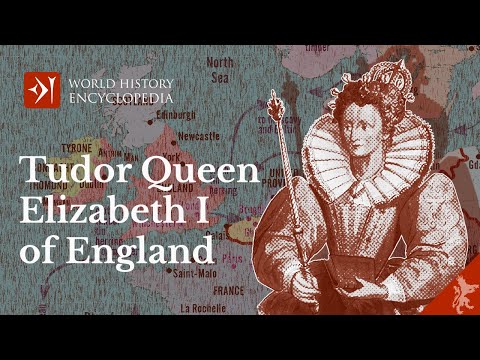
Queen Elizabeth I, also known as the Virgin Queen, was the daughter of King Henry VIII and his second wife, Anne Boleyn. Born on September 7, 1533, Elizabeth was the fifth and final monarch of the Tudor dynasty. She is widely regarded as one of the most successful and beloved monarchs in English history, with a Vibe Score of 92. Elizabeth's reign, which lasted from 1558 to 1603, is often referred to as the Golden Age of English history. During her reign, Elizabeth oversaw a Renaissance in the arts, a strengthening of the English economy, and a series of military victories that secured England's position as a major world power. For more information on Elizabeth's life and reign, see Elizabethan Era.
🏰 Early Life and Accession
Elizabeth was born at Greenwich Palace in London, England. Her early life was marked by turmoil and uncertainty, as her mother, Anne Boleyn, was executed when Elizabeth was just two years old. Elizabeth was then declared illegitimate and removed from the line of succession. However, after the death of her half-brother, King Edward VI, Elizabeth was restored to the line of succession and eventually ascended to the throne at the age of 25. Elizabeth's education was overseen by Roger Ascham, a renowned scholar and educator. Ascham's influence on Elizabeth's education had a lasting impact on her love of learning and her commitment to the arts. For more information on Ascham, see Roger Ascham.
📜 Education and Cultural Significance
Elizabeth's education was extensive and eclectic, and she was known for her proficiency in multiple languages, including Latin, Greek, French, and Italian. Her love of learning and her commitment to the arts had a profound impact on the cultural landscape of England during her reign. Elizabeth was a patron of the arts, and her court attracted many of the most prominent writers, artists, and musicians of the time, including William Shakespeare and Christopher Marlowe. Elizabeth's cultural significance extends beyond her own time, and she remains one of the most fascinating and influential figures in English history. For more information on Elizabeth's cultural significance, see Cultural Significance.
👫 Relationships and Marriage Proposals
Elizabeth's relationships and marriage proposals were the subject of much speculation and intrigue during her reign. She was known as the Virgin Queen, and her decision to remain unmarried was seen as a symbol of her power and independence. Elizabeth received numerous marriage proposals from prominent suitors, including Robert Dudley and Eric XIV of Sweden. However, she ultimately chose to remain single, and her decision was seen as a bold statement of her independence and autonomy. For more information on Elizabeth's relationships, see Elizabeth I Relationships.
🚫 The Virgin Queen: A Symbol of Power
The concept of the Virgin Queen was a powerful symbol of Elizabeth's power and authority. It was a deliberate choice, one that reflected her commitment to her country and her people. Elizabeth's decision to remain unmarried was seen as a way of avoiding the complexities and entanglements of marriage, and it allowed her to focus on her duties as monarch. The image of the Virgin Queen has endured for centuries, and it remains one of the most iconic and enduring symbols of Elizabeth's reign. For more information on the Virgin Queen, see Virgin Queen.
🕊️ Religious Policy and the Church of England
Elizabeth's religious policy was shaped by her experiences during the reign of her half-sister, Mary I. Mary's attempts to restore Catholicism in England had been met with resistance, and Elizabeth's own religious views were shaped by her experiences during this time. Elizabeth established the Church of England, with the monarch as its head, and she worked to create a more moderate and inclusive form of Protestantism. Elizabeth's religious policy was marked by a commitment to tolerance and a desire to avoid conflict. For more information on Elizabeth's religious policy, see Elizabeth I Religious Policy.
🏴☠️ Foreign Policy and Military Campaigns
Elizabeth's foreign policy was marked by a series of military campaigns and diplomatic maneuvers. She faced numerous challenges, including the threat of Spain and the Holy Roman Empire. Elizabeth's military campaigns were largely successful, and she oversaw a series of victories that secured England's position as a major world power. Elizabeth's foreign policy was shaped by her commitment to the Protestant Reformation and her desire to protect English interests abroad. For more information on Elizabeth's foreign policy, see Elizabeth I Foreign Policy.
📚 Literary and Artistic Patronage
Elizabeth was a patron of the arts, and her court attracted many of the most prominent writers, artists, and musicians of the time. She was a supporter of William Shakespeare and his company, and she attended numerous performances of his plays. Elizabeth's love of the arts had a lasting impact on the cultural landscape of England, and she remains one of the most important figures in the history of English literature. For more information on Elizabeth's literary and artistic patronage, see Elizabeth I Literary Patronage.
💰 Economic Policy and the Golden Age
Elizabeth's economic policy was marked by a series of reforms and initiatives that helped to strengthen the English economy. She oversaw the establishment of the East India Company and the development of trade with other countries. Elizabeth's economic policy was shaped by her commitment to the Protestant work ethic and her desire to promote English industry and commerce. For more information on Elizabeth's economic policy, see Elizabeth I Economic Policy.
👑 Later Life and Legacy
Elizabeth's later life was marked by a series of challenges and controversies. She faced numerous plots and assassination attempts, including the Ridolfi Plot and the Babington Plot. Elizabeth's health began to decline in the late 1590s, and she died on March 24, 1603, at the age of 69. Elizabeth's legacy is complex and multifaceted, and she remains one of the most fascinating and influential figures in English history. For more information on Elizabeth's later life, see Elizabeth I Later Life.
Key Facts
- Year
- 1558
- Origin
- England
- Category
- History
- Type
- Historical Figure
Frequently Asked Questions
Who was Queen Elizabeth I?
Queen Elizabeth I was the daughter of King Henry VIII and his second wife, Anne Boleyn. She was the fifth and final monarch of the Tudor dynasty and one of the most successful and beloved monarchs in English history.
What was the [[golden-age|Golden Age]] of English history?
The Golden Age of English history refers to the period of time during which Elizabeth I was queen, from 1558 to 1603. This period was marked by a Renaissance in the arts, a strengthening of the English economy, and a series of military victories that secured England's position as a major world power.
Who was [[roger-ascham|Roger Ascham]]?
Roger Ascham was a renowned scholar and educator who oversaw Elizabeth's education. He had a lasting impact on her love of learning and her commitment to the arts.
What was the [[virgin-queen|Virgin Queen]]?
The Virgin Queen was a symbol of Elizabeth's power and authority. It was a deliberate choice, one that reflected her commitment to her country and her people. Elizabeth's decision to remain unmarried was seen as a way of avoiding the complexities and entanglements of marriage, and it allowed her to focus on her duties as monarch.
What was Elizabeth's religious policy?
Elizabeth's religious policy was shaped by her experiences during the reign of her half-sister, Mary I. She established the Church of England, with the monarch as its head, and she worked to create a more moderate and inclusive form of Protestantism.
What was Elizabeth's foreign policy?
Elizabeth's foreign policy was marked by a series of military campaigns and diplomatic maneuvers. She faced numerous challenges, including the threat of Spain and the Holy Roman Empire. Elizabeth's military campaigns were largely successful, and she oversaw a series of victories that secured England's position as a major world power.
Who were some of the prominent writers and artists who were patronized by Elizabeth?
Elizabeth was a patron of the arts, and her court attracted many of the most prominent writers, artists, and musicians of the time, including William Shakespeare and Christopher Marlowe.