
Contents
Overview
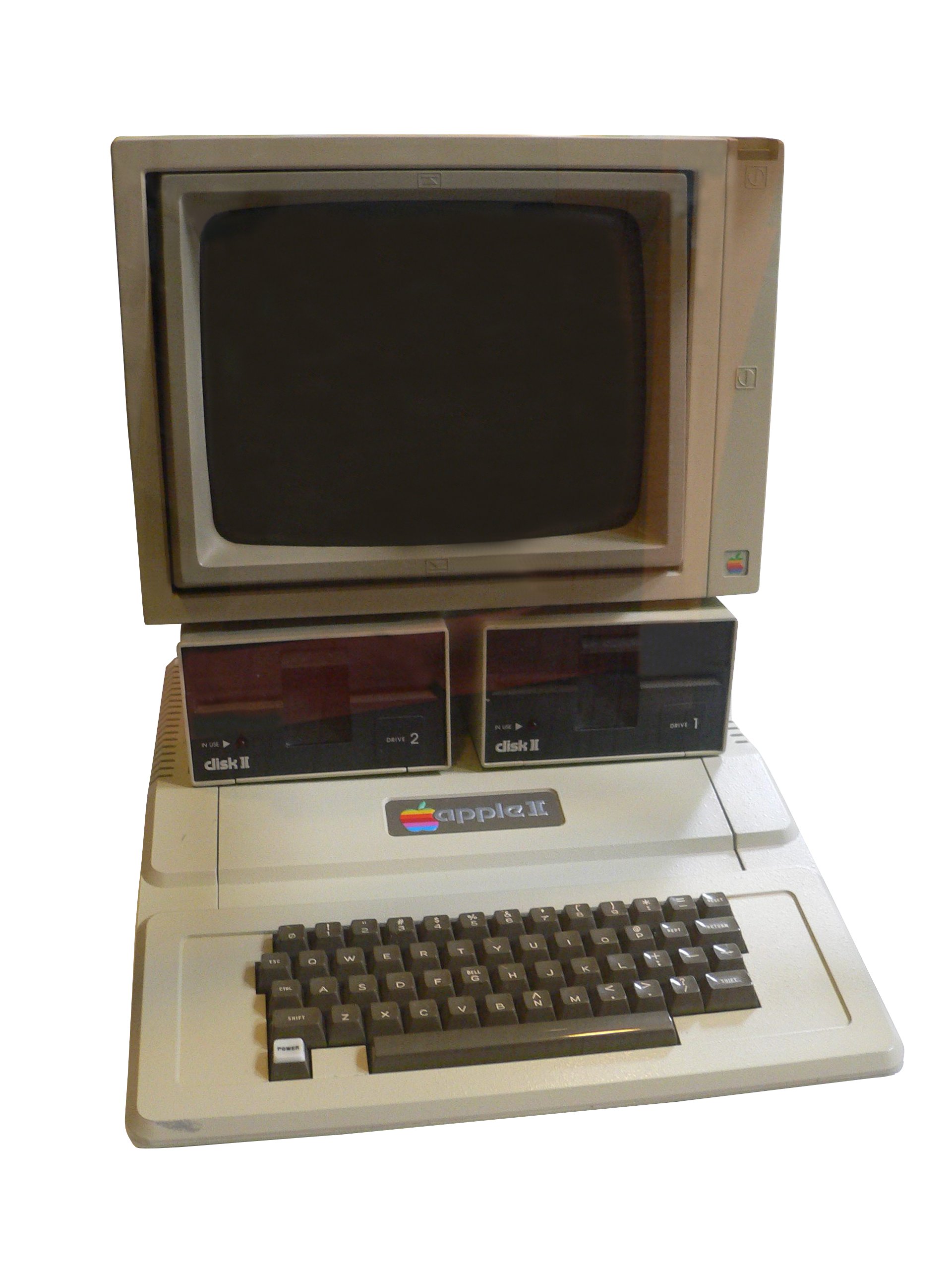
The roots of retrocomputing stretch back to the earliest days of computing, where the sheer cost and rarity of machines meant that older hardware was often kept operational for as long as possible. The practice of using, collecting, and preserving vintage computer hardware and software, often as a hobby, has roots in these early days. The Apple II, Commodore 64, and ZX Spectrum were available on the second-hand market. Websites like comp.sys.apple2 on Usenet were crucial early hubs. The preservationist impulse grew as these machines became obsolete, with collectors and enthusiasts recognizing their historical significance and the unique computing experiences they offered, distinct from the standardized interfaces of today.
⚙️ How It Works
At its core, retrocomputing involves the physical and digital restoration of vintage computing systems. This often means sourcing original hardware, such as Intel 8088 processors or MOS 6502 chips, and meticulously cleaning, repairing, or replacing components like capacitors and power supplies. Software preservation involves archiving and emulating operating systems like MS-DOS or classic Mac OS and applications, often through projects like MAME (Multiple Arcade Machine Emulator) or dedicated emulators for specific platforms. Some enthusiasts go further, developing new hardware or software for these old machines, such as modern storage solutions or even ports of contemporary games, demonstrating a deep understanding of their architectural constraints and capabilities.
📊 Key Facts & Numbers
The retrocomputing scene is a global phenomenon. The market for vintage computer hardware can be substantial. Rare software titles can fetch significant prices. The production of new, compatible hardware for retro systems, like Raspberry Pi-based add-ons or custom-built FPGA recreations of classic chips, represents a niche but growing market segment.
👥 Key People & Organizations
Key figures in retrocomputing are often those who were instrumental in the original development of these machines, or dedicated hobbyists who have become de facto custodians of their legacy. Steve Wozniak, co-founder of Apple, remains an icon for his work on the Apple I and Apple II. Organizations like the Computer History Museum in Mountain View, California, and the National Museum of Computing in the UK actively preserve and showcase vintage hardware. Online communities and forums, such as Lemon64 for Commodore 64 enthusiasts and Amiga World, are vital for knowledge sharing and collaboration among thousands of hobbyists.
🌍 Cultural Impact & Influence
Retrocomputing has a profound cultural impact, serving as a tangible link to the formative years of the digital age. It fuels a unique form of digital archaeology, allowing us to understand the design philosophies and limitations that shaped modern computing. The aesthetic of 8-bit graphics and chiptune music, born from the constraints of early hardware, has seen a resurgence in indie games and electronic music. Furthermore, retrocomputing fosters a sense of community and shared history, connecting individuals across generations through a common passion for these pioneering machines, influencing the broader retrogaming movement and digital preservation efforts.
⚡ Current State & Latest Developments
The retrocomputing scene is vibrant, fueled by accessible emulation technologies and a growing appreciation for historical hardware. Projects like open-source firmware for modern FPGA recreations of classic chips, such as the Zilog Z80 or Motorola 68000, are pushing boundaries. Online marketplaces and dedicated forums continue to facilitate the trade of rare hardware and software. Events like Vintage Computer Festivals worldwide draw thousands of enthusiasts, showcasing restored systems and new innovations for old platforms. The increasing availability of 3D printing and advanced fabrication techniques also allows for the recreation of custom cases and peripherals for vintage machines.
🤔 Controversies & Debates
One persistent debate within retrocomputing centers on the definition of 'authentic' preservation versus enhancement. Critics argue that extensive modifications or the use of modern hardware to emulate old systems, while functional, detract from the genuine experience of the original machine. Conversely, proponents emphasize that without such enhancements, many systems would simply cease to function due to component degradation or lack of available parts. Another point of contention is the commercialization of retrocomputing, with some lamenting the high prices of rare items, while others see it as a necessary market that incentivizes preservation and restoration.
🔮 Future Outlook & Predictions
The future of retrocomputing appears robust, driven by continued technological advancements and an enduring cultural fascination with computing's past. The increasing sophistication of FPGA technology will likely lead to even more accurate and accessible recreations of classic hardware. We can expect to see more cross-pollination between retrocomputing and modern development, with lessons learned from early design principles influencing new projects. Furthermore, as the original creators and users of these machines age, the impetus for preservation and documentation will only grow, ensuring that this vital piece of technological history remains accessible for generations to come.
💡 Practical Applications
Beyond the hobbyist realm, retrocomputing has practical applications in specialized fields. Museums and educational institutions use restored systems to teach computer history and architecture, providing hands-on experience with foundational technologies. In some niche industrial or scientific settings, legacy software or hardware might still be critical for operating specific equipment, necessitating the maintenance of older systems. Furthermore, the reverse-engineering and problem-solving skills honed through retrocomputing can be directly applied to modern software and hardware development, offering unique insights into system design and optimization.
Key Facts
- Category
- technology
- Type
- concept