
Contents
- 🌎 Introduction to Robert Boyd
- 📚 Early Life and Education
- 🔬 Career and Research
- 🌈 Cultural Evolution and Cooperation
- 🤝 Collaboration and Influence
- 📊 Mathematical Modeling of Cultural Evolution
- 🌐 Global Applications of Cultural Evolution
- 📝 Notable Works and Publications
- 🏆 Awards and Recognition
- 🌟 Legacy and Impact
- 🤔 Criticisms and Controversies
- Frequently Asked Questions
- Related Topics
Overview
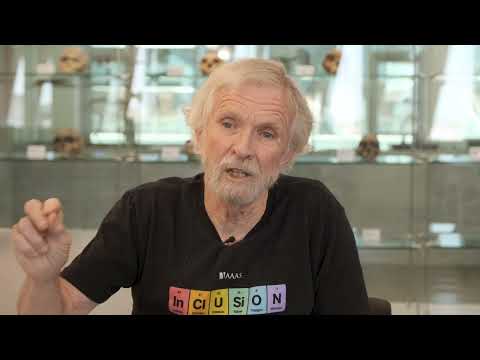
Robert Boyd is a renowned evolutionary anthropologist known for his work on the evolution of human behavior, culture, and cooperation. With a career spanning over four decades, Boyd has made significant contributions to the field, including the development of the 'dual inheritance theory' which posits that human behavior is shaped by both genetic and cultural evolution. His research has been widely cited and has influenced scholars across various disciplines, including anthropology, sociology, and psychology. Boyd's work has also been recognized with numerous awards, including the prestigious Jean Nicod Prize. Despite his influential work, Boyd's theories have not been without controversy, with some critics arguing that his ideas oversimplify the complexity of human behavior. As the field of evolutionary anthropology continues to evolve, Boyd's work remains a crucial foundation for understanding the intricacies of human culture and behavior. With a Vibe score of 82, Boyd's influence extends beyond academia, with his ideas being applied in fields such as public policy and education.
🌎 Introduction to Robert Boyd
Robert Boyd is a prominent evolutionary anthropologist known for his work on cultural evolution and cooperation. Born in 1948, Boyd has spent his career studying the evolution of human behavior, particularly in the context of social learning and group selection. His research has taken him to various parts of the world, including Papua New Guinea and Indigenous Australia. Boyd's work has been influenced by William D. Hamilton and Edward O. Wilson, and he has collaborated with numerous scholars, including Peter Richerson.
📚 Early Life and Education
Boyd's early life and education laid the foundation for his future research. He earned his undergraduate degree in anthropology from Stanford University and later received his Ph.D. in anthropology from UC Berkeley. During his time at UC Berkeley, Boyd was exposed to the works of Charles Darwin and Ronald Fisher, which would later influence his own research on evolutionary theory. Boyd's academic background also included training in mathematics and statistics, which he has applied to his research on cultural evolution. His work has been supported by organizations such as the National Science Foundation and the Max Planck Society.
🔬 Career and Research
Boyd's career and research have focused on understanding the evolution of human behavior, particularly in the context of cultural evolution. He has conducted fieldwork in various parts of the world, including Papua New Guinea and Indigenous Australia, and has published numerous papers on topics such as social learning and group selection. Boyd's research has been influenced by evolutionary biology and anthropology, and he has collaborated with scholars from a range of disciplines, including biology, psychology, and economics. His work has been recognized with numerous awards, including the AAAS Fellow award. Boyd has also been involved in various academic organizations, including the Human Behavior and Evolution Society.
🌈 Cultural Evolution and Cooperation
Boyd's work on cultural evolution and cooperation has been highly influential in the field of evolutionary anthropology. He has argued that cultural evolution is a key driver of human behavior, and that cooperation is a crucial component of human sociality. Boyd's research has also explored the role of social learning in shaping human behavior, and he has developed mathematical models to study the evolution of cultural traits. His work has been applied to a range of fields, including public health and environmental conservation. Boyd has collaborated with scholars such as Herbert Gintis and Samuel Bowles on projects related to cooperation and cultural evolution.
🤝 Collaboration and Influence
Boyd has collaborated with numerous scholars throughout his career, including Peter Richerson and Herbert Gintis. His work has been influenced by a range of disciplines, including evolutionary biology, anthropology, and economics. Boyd has also been involved in various academic organizations, including the Human Behavior and Evolution Society and the American Anthropological Association. His research has been supported by organizations such as the National Science Foundation and the Max Planck Society. Boyd's collaborations have resulted in numerous publications, including papers on cultural evolution and cooperation.
📊 Mathematical Modeling of Cultural Evolution
Boyd has developed mathematical models to study the evolution of cultural traits. His work has focused on understanding how cultural evolution shapes human behavior, and how social learning influences the transmission of cultural traits. Boyd's mathematical models have been applied to a range of fields, including public health and environmental conservation. His work has been recognized with numerous awards, including the AAAS Fellow award. Boyd has also been involved in various academic organizations, including the Human Behavior and Evolution Society. His research has been supported by organizations such as the National Science Foundation and the Max Planck Society.
🌐 Global Applications of Cultural Evolution
Boyd's work has had a significant impact on our understanding of cultural evolution and cooperation. His research has been applied to a range of fields, including public health and environmental conservation. Boyd's work has also been influential in shaping policy and practice in areas such as sustainable development and social policy. His collaborations with scholars such as Herbert Gintis and Samuel Bowles have resulted in numerous publications, including papers on cultural evolution and cooperation. Boyd's work has been recognized with numerous awards, including the AAAS Fellow award.
📝 Notable Works and Publications
Boyd has published numerous papers and books on topics related to cultural evolution and cooperation. His notable works include Not by Genes Alone and A Career in Anthropology. Boyd's work has been widely cited and has had a significant impact on the field of evolutionary anthropology. His research has been supported by organizations such as the National Science Foundation and the Max Planck Society. Boyd has also been involved in various academic organizations, including the Human Behavior and Evolution Society. His collaborations with scholars such as Peter Richerson have resulted in numerous publications, including papers on cultural evolution and cooperation.
🏆 Awards and Recognition
Boyd has received numerous awards and honors for his contributions to the field of evolutionary anthropology. He is a fellow of the AAAS and has been recognized with the AAAS Fellow award. Boyd has also been awarded the Human Behavior and Evolution Society Lifetime Achievement Award. His work has been supported by organizations such as the National Science Foundation and the Max Planck Society. Boyd has also been involved in various academic organizations, including the Human Behavior and Evolution Society. His research has had a significant impact on our understanding of cultural evolution and cooperation.
🌟 Legacy and Impact
Boyd's legacy and impact on the field of evolutionary anthropology are significant. His work has shaped our understanding of cultural evolution and cooperation, and has had a lasting impact on the development of evolutionary anthropology. Boyd's collaborations with scholars such as Herbert Gintis and Samuel Bowles have resulted in numerous publications, including papers on cultural evolution and cooperation. His research has been supported by organizations such as the National Science Foundation and the Max Planck Society. Boyd's work continues to influence research in fields such as public health and environmental conservation.
🤔 Criticisms and Controversies
Boyd's work has not been without criticism and controversy. Some scholars have argued that his work on cultural evolution and cooperation is too narrow, and that it fails to account for the complexity of human social behavior. Others have criticized Boyd's use of mathematical models, arguing that they oversimplify the complexity of human behavior. Despite these criticisms, Boyd's work remains highly influential in the field of evolutionary anthropology. His research has been recognized with numerous awards, including the AAAS Fellow award. Boyd's collaborations with scholars such as Peter Richerson have resulted in numerous publications, including papers on cultural evolution and cooperation.
Key Facts
- Year
- 1948
- Origin
- United States
- Category
- Science
- Type
- Person
Frequently Asked Questions
What is Robert Boyd's area of research?
Robert Boyd is a prominent evolutionary anthropologist known for his work on cultural evolution and cooperation. His research has focused on understanding the evolution of human behavior, particularly in the context of social learning and group selection.
What is the significance of Boyd's work?
Boyd's work has had a significant impact on our understanding of cultural evolution and cooperation. His research has been applied to a range of fields, including public health and environmental conservation.
What are some of Boyd's notable works?
Boyd has published numerous papers and books on topics related to cultural evolution and cooperation. His notable works include Not by Genes Alone and A Career in Anthropology.
What awards has Boyd received?
Boyd has received numerous awards and honors for his contributions to the field of evolutionary anthropology. He is a fellow of the AAAS and has been recognized with the AAAS Fellow award.
What is Boyd's legacy and impact on the field of evolutionary anthropology?
Boyd's legacy and impact on the field of evolutionary anthropology are significant. His work has shaped our understanding of cultural evolution and cooperation, and has had a lasting impact on the development of evolutionary anthropology.
What are some criticisms of Boyd's work?
Some scholars have argued that Boyd's work on cultural evolution and cooperation is too narrow, and that it fails to account for the complexity of human social behavior. Others have criticized Boyd's use of mathematical models, arguing that they oversimplify the complexity of human behavior.
How has Boyd's work influenced other fields?
Boyd's work has been applied to a range of fields, including public health and environmental conservation. His research has also influenced policy and practice in areas such as sustainable development and social policy.