
Contents
- 🤖 Introduction to Robotics
- 📈 History of Robotics
- 🤔 Types of Robots
- 🔧 Robotics Engineering
- 🤝 Human-Robot Interaction
- 🌐 Robotics in Industry
- 🚀 Robotics in Space Exploration
- 🏥 Robotics in Healthcare
- 📊 Robotics and Artificial Intelligence
- 🚫 Ethics of Robotics
- 📚 Future of Robotics
- 👥 Robotics Community
- Frequently Asked Questions
- Related Topics
Overview
Robots have been a staple of science fiction for decades, but their impact on the real world is just as significant. With the first industrial robot, Unimate, introduced in 1961 by George Devol and Joseph Engelberger, the field of robotics has grown exponentially. Today, robots are used in various industries, from manufacturing and healthcare to transportation and education. According to a report by the International Federation of Robotics, the global robotics market is projected to reach $135 billion by 2025, with over 3 million industrial robots in operation worldwide. As robots become increasingly advanced, with the development of artificial intelligence and machine learning, the line between humans and machines is becoming blurred. The controversy surrounding job displacement and the ethics of AI has sparked intense debates, with some arguing that robots will displace human workers, while others see them as a means to augment human capabilities. With a Vibe score of 85, robots have become an integral part of modern society, with companies like Boston Dynamics and Tesla at the forefront of innovation.
🤖 Introduction to Robotics
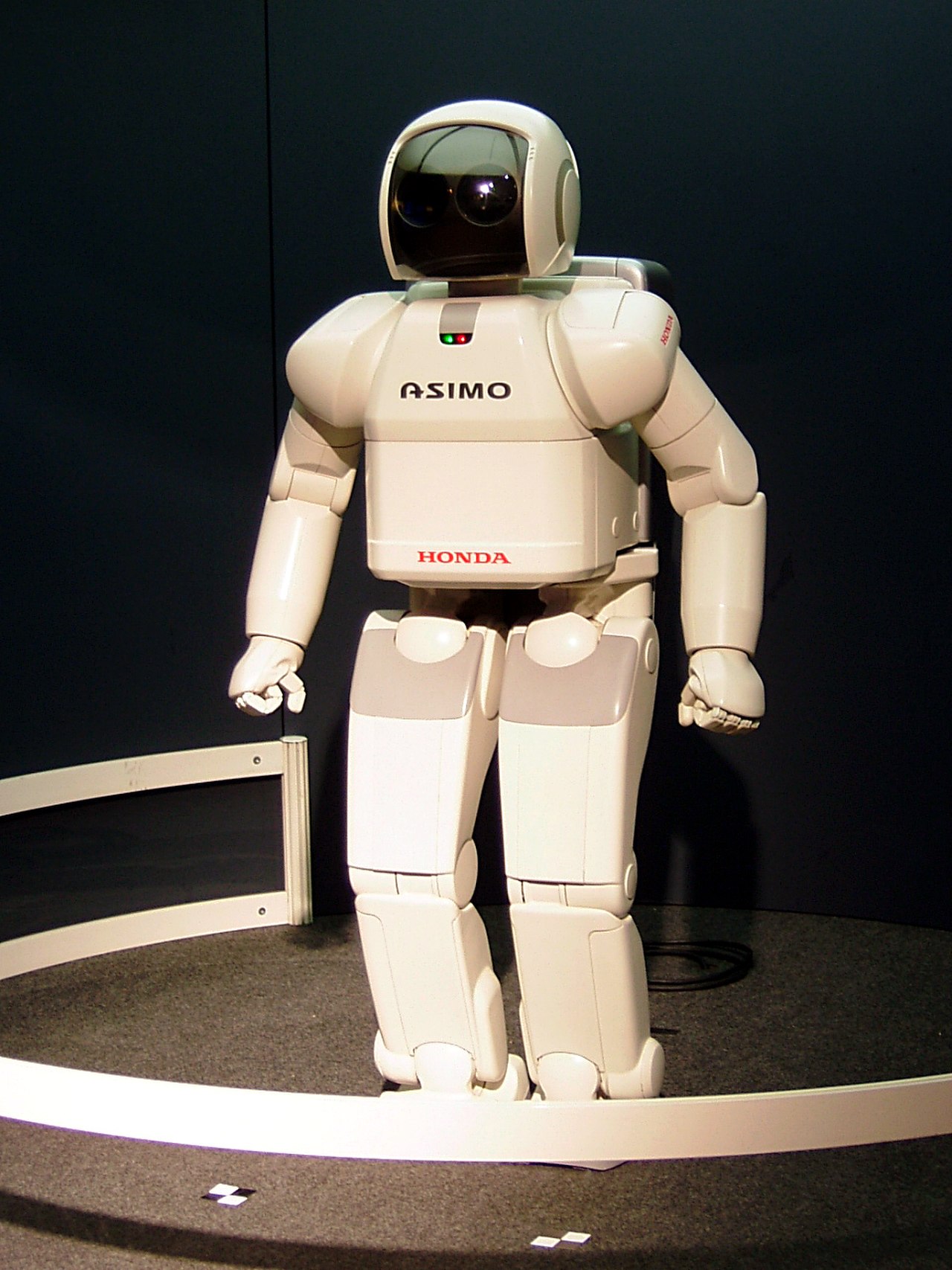
The term 'robot' was first introduced by the Czech playwright Karel Čapek in his 1920 play R.U.R., which stands for Rossum's Universal Robots. Since then, robots have become an integral part of our daily lives, from industrial robots in manufacturing to service robots in healthcare. A robot is a machine, especially one programmable via a computer, capable of automatically carrying out a complex series of actions. As defined by the Robotics Institute of America, a robot can be guided by an external or internal control device. Robots may be humanoid, but most are task-performing machines prioritizing functionality over aesthetics, as seen in Boston Dynamics' robotic designs.
📈 History of Robotics
The history of robotics dates back to ancient civilizations, where automated machines were used to perform tasks such as opening doors and serving food. However, the modern concept of robotics began to take shape in the 20th century with the development of the first industrial robot by George Devol in 1954. This innovation paved the way for the creation of more advanced robots, including autonomous vehicles and social robots. As noted by Marvin Minsky, a pioneer in the field of artificial intelligence, the development of robots has been influenced by various fields, including computer science and mechanical engineering.
🤔 Types of Robots
There are several types of robots, each designed to perform specific tasks. Industrial robots, for example, are used in manufacturing to assemble and inspect products. Service robots, on the other hand, are used in healthcare, hospitality, and other service industries to interact with humans. Autonomous vehicles are a type of robot that can navigate and operate without human intervention, using a combination of sensors and artificial intelligence. As discussed in robotics trends, the development of autonomous vehicles has the potential to revolutionize the transportation industry.
🔧 Robotics Engineering
Robotics engineering is a field that combines computer science, mechanical engineering, and electrical engineering to design and develop robots. Robotics engineers use a range of tools and technologies, including computer-aided design software and microcontrollers, to create robots that can perform complex tasks. As explained by robotics engineering experts, the design of robots requires careful consideration of factors such as robot kinematics and robot dynamics. The development of robots has also been influenced by advances in materials science and mechatronics.
🤝 Human-Robot Interaction
Human-robot interaction is a field of study that focuses on the interaction between humans and robots. As robots become more prevalent in our daily lives, it is essential to design robots that can interact with humans in a safe and effective manner. Human-robot interaction involves the use of natural language processing and computer vision to enable robots to understand and respond to human commands. Researchers such as Cynthia Breazeal have made significant contributions to the development of social robots that can interact with humans in a more natural way.
🌐 Robotics in Industry
Robots are widely used in various industries, including manufacturing, healthcare, and logistics. Industrial robots are used to assemble and inspect products, while service robots are used to interact with customers and provide services. The use of robots in industry has increased efficiency and productivity, while also reducing costs and improving safety. As noted by Industry 4.0 experts, the integration of robots and artificial intelligence has the potential to revolutionize the manufacturing industry.
🚀 Robotics in Space Exploration
Robots have also been used in space exploration to explore and gather data from other planets. Space robots, such as the Curiosity Rover, have been used to explore Mars and gather data about the planet's geology and climate. The use of robots in space exploration has enabled scientists to gather data and conduct experiments in a safe and efficient manner. As discussed in space exploration, the development of robots has been influenced by advances in aerospace engineering and astrophysics.
🏥 Robotics in Healthcare
Robots are also used in healthcare to assist with surgeries, patient care, and rehabilitation. Medical robots, such as the Da Vinci Surgical System, are used to perform complex surgeries with precision and accuracy. Rehabilitation robots are used to help patients recover from injuries and illnesses. The use of robots in healthcare has improved patient outcomes and reduced recovery times. As explained by medical robotics experts, the development of robots has been influenced by advances in biomedical engineering and computer-assisted surgery.
📊 Robotics and Artificial Intelligence
The development of robots has been influenced by advances in artificial intelligence and machine learning. Artificial intelligence enables robots to learn and adapt to new situations, while machine learning enables robots to improve their performance over time. As discussed in artificial intelligence trends, the integration of artificial intelligence and robotics has the potential to revolutionize various industries. Researchers such as Andrew Ng have made significant contributions to the development of artificial intelligence and its applications in robotics.
🚫 Ethics of Robotics
The development and use of robots raise several ethical concerns, including job displacement, privacy, and safety. As robots become more prevalent in our daily lives, it is essential to consider the potential impact on society and the economy. Robot ethics involves the consideration of factors such as robot safety and robot security. As noted by robot ethics experts, the development of robots requires careful consideration of ethical implications and the need for regulations to ensure safe and responsible use.
📚 Future of Robotics
The future of robotics is exciting and uncertain. As robots become more advanced and prevalent, we can expect to see significant changes in various industries and aspects of our lives. Future of robotics involves the development of more advanced robots that can interact with humans in a more natural way, as well as the integration of robots with other technologies such as Internet of Things. As discussed in robotics trends, the future of robotics holds much promise, but also raises important questions about the potential impact on society and the economy.
👥 Robotics Community
The robotics community is a diverse and vibrant group of researchers, engineers, and enthusiasts who are passionate about robotics. Robotics community involves the sharing of knowledge, ideas, and resources to advance the field of robotics. As noted by robotics experts, the development of robots requires collaboration and cooperation among researchers, engineers, and industry professionals. The robotics community has been influenced by advances in open-source robotics and robotics education.
Key Facts
- Year
- 1961
- Origin
- United States
- Category
- Technology
- Type
- Machine
Frequently Asked Questions
What is a robot?
A robot is a machine, especially one programmable via a computer, capable of automatically carrying out a complex series of actions. As defined by the Robotics Institute of America, a robot can be guided by an external or internal control device. Robots may be humanoid, but most are task-performing machines prioritizing functionality over aesthetics. The development of robots has been influenced by advances in computer science and mechanical engineering.
What are the different types of robots?
There are several types of robots, each designed to perform specific tasks. Industrial robots, for example, are used in manufacturing to assemble and inspect products. Service robots are used in healthcare, hospitality, and other service industries to interact with humans. Autonomous vehicles are a type of robot that can navigate and operate without human intervention, using a combination of sensors and artificial intelligence. As discussed in robotics trends, the development of autonomous vehicles has the potential to revolutionize the transportation industry.
What is human-robot interaction?
Human-robot interaction is a field of study that focuses on the interaction between humans and robots. As robots become more prevalent in our daily lives, it is essential to design robots that can interact with humans in a safe and effective manner. Human-robot interaction involves the use of natural language processing and computer vision to enable robots to understand and respond to human commands. Researchers such as Cynthia Breazeal have made significant contributions to the development of social robots that can interact with humans in a more natural way.
What are the applications of robots in industry?
Robots are widely used in various industries, including manufacturing, healthcare, and logistics. Industrial robots are used to assemble and inspect products, while service robots are used to interact with customers and provide services. The use of robots in industry has increased efficiency and productivity, while also reducing costs and improving safety. As noted by Industry 4.0 experts, the integration of robots and artificial intelligence has the potential to revolutionize the manufacturing industry.
What is the future of robotics?
The future of robotics is exciting and uncertain. As robots become more advanced and prevalent, we can expect to see significant changes in various industries and aspects of our lives. Future of robotics involves the development of more advanced robots that can interact with humans in a more natural way, as well as the integration of robots with other technologies such as Internet of Things. As discussed in robotics trends, the future of robotics holds much promise, but also raises important questions about the potential impact on society and the economy.
What are the ethical concerns surrounding robots?
The development and use of robots raise several ethical concerns, including job displacement, privacy, and safety. As robots become more prevalent in our daily lives, it is essential to consider the potential impact on society and the economy. Robot ethics involves the consideration of factors such as robot safety and robot security. As noted by robot ethics experts, the development of robots requires careful consideration of ethical implications and the need for regulations to ensure safe and responsible use.
How do robots learn and adapt?
The development of robots has been influenced by advances in artificial intelligence and machine learning. Artificial intelligence enables robots to learn and adapt to new situations, while machine learning enables robots to improve their performance over time. As discussed in artificial intelligence trends, the integration of artificial intelligence and robotics has the potential to revolutionize various industries. Researchers such as Andrew Ng have made significant contributions to the development of artificial intelligence and its applications in robotics.