
Contents
Overview
Soil microbiology is the scientific discipline dedicated to understanding the vast and complex world of microorganisms residing within soil. These microscopic life forms—including bacteria, archaea, fungi, and protozoa—are not mere passengers but active architects of soil health, nutrient cycling, and plant growth. This subterranean ecosystem is a powerhouse of biodiversity and biochemical activity. The study of soil microbiology traces its roots back to early observations of microbial roles in decomposition and fertility, evolving into a critical field for agriculture, environmental science, and understanding planetary biogeochemical cycles. Its insights are vital for developing sustainable farming practices, managing soil degradation, and even exploring extraterrestrial life.
🎵 Origins & History
The story of soil microbiology is as old as life itself. Early scientific inquiry into soil's microbial inhabitants began in earnest during the 19th century, with pioneers like Louis Pasteur and Robert Koch laying the groundwork for understanding microbial roles in decomposition and disease. By the early 20th century, researchers like Selman Waksman, often hailed as the 'father of soil microbiology,' began systematically cataloging soil microbes and their contributions to soil fertility, particularly through his work on antibiotics derived from soil bacteria like Streptomyces.
⚙️ How It Works
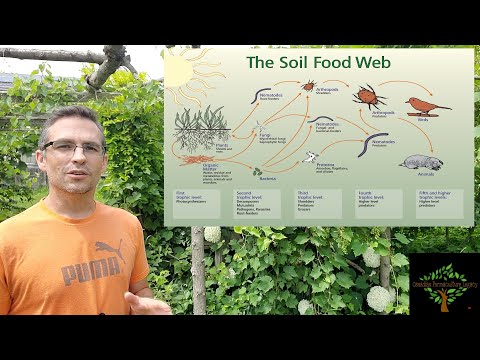
At its core, soil microbiology examines the intricate interactions between soil components and the diverse microbial communities that inhabit them. Microorganisms in soil perform a staggering array of functions: they decompose organic matter, releasing essential nutrients like nitrogen, phosphorus, and carbon back into forms usable by plants; they fix atmospheric nitrogen into ammonia, a critical step in the nitrogen cycle; they produce plant growth-promoting substances; and they can even suppress plant pathogens. The rhizosphere, the narrow zone of soil directly influenced by plant roots, is a particularly rich microhabitat, teeming with billions of bacteria and fungi that form symbiotic relationships with plants, enhancing nutrient uptake and stress tolerance. This complex web of life operates through a multitude of biochemical pathways, driven by the metabolic diversity of bacteria, archaea, fungi, algae, and protozoa.
📊 Key Facts & Numbers
The sheer scale of microbial life in soil is astonishing. This microbial biomass represents a significant portion of Earth's total biodiversity. The USDA's Natural Resources Conservation Service reports on soil organic matter, largely derived from microbial decomposition. Globally, soil carbon stocks are estimated to be around 1,500 billion tons, more than double the amount of carbon in the atmosphere, with microbes playing a central role in its cycling.
👥 Key People & Organizations
Key figures have shaped our understanding of soil microbiology. Selman Waksman's extensive work in the mid-20th century cemented the importance of soil microbes. More recently, researchers like Mary Firestone at the University of California, Berkeley, have made significant contributions to understanding microbial processes in ecosystems, particularly nitrogen cycling and carbon sequestration. Organizations such as the American Society for Microbiology (ASM) and the International Society for Soil Science (ISSS) are crucial hubs for research, collaboration, and dissemination of knowledge in this field, supporting countless soil scientists and microbiologists worldwide.
🌍 Cultural Impact & Influence
The influence of soil microbiology extends far beyond the laboratory, permeating agriculture, environmental policy, and even popular culture. The understanding of microbial roles in fertility has been the bedrock of sustainable agriculture for centuries, while modern practices like crop rotation and cover cropping are informed by microbial dynamics. The discovery of soil-derived antibiotics, starting with Waksman's work on streptomycin in the 1940s, revolutionized medicine. Furthermore, soil microbes are increasingly recognized for their role in climate change mitigation through carbon sequestration, influencing global discussions on land use and environmental stewardship. The concept of a 'living soil' is gaining traction, shifting perceptions from soil as inert dirt to a dynamic, life-sustaining medium.
⚡ Current State & Latest Developments
Current research in soil microbiology is rapidly advancing, driven by new technologies like metagenomics and bioinformatics, which allow scientists to study microbial communities without culturing them. This has revealed an astonishing level of microbial diversity and complexity previously unimagined. Recent developments include a deeper understanding of the microbiome's role in plant health and disease resistance, the identification of novel enzymes and compounds with biotechnological applications, and improved models for predicting soil carbon dynamics under different climate scenarios. The Joint Genome Institute (JGI) is a major player in sequencing microbial genomes from diverse environments, including soil, providing vast datasets for researchers globally. The focus is increasingly on harnessing these microbial communities for beneficial purposes, from bioremediation to enhanced crop yields.
🤔 Controversies & Debates
Despite significant progress, soil microbiology is not without its controversies and debates. One persistent challenge is the 'great plate count anomaly,' the discrepancy between the number of microbes detected by culturing methods and those observed through direct microscopic counts or molecular techniques, highlighting the limitations of our current understanding of microbial viability and activity. There's also ongoing debate about the precise extent to which soil microbial communities can be manipulated for agricultural benefit without unintended ecological consequences. Furthermore, the role of specific microbial taxa in ecosystem functions is still being elucidated, with some researchers arguing for a 'rare biosphere' of microbes that become active only under specific conditions, while others emphasize the dominance of more abundant species.
🔮 Future Outlook & Predictions
The future of soil microbiology is poised for significant breakthroughs. Advances in artificial intelligence and machine learning are expected to accelerate the analysis of massive genomic and environmental datasets, leading to more accurate predictions of microbial community behavior and ecosystem responses. We can anticipate the development of novel microbial inoculants and biofertilizers tailored to specific crops and soil types, potentially reducing reliance on synthetic fertilizers and pesticides. Research into soil microbiomes on other planets, such as Mars, is also gaining traction, with implications for astrobiology and the search for extraterrestrial life. The potential for soil microbes in carbon capture technologies and the development of new bioplastics and biofuels represents a vast, largely untapped frontier.
💡 Practical Applications
The practical applications of soil microbiology are diverse and impactful. In agriculture, understanding soil microbes allows for the development of biofertilizers that enhance nutrient availability, biocontrol agents that suppress plant diseases, and strategies to improve soil structure and water retention. Bioremediation utilizes specific microbes to clean up contaminated soils, breaking down pollutants like oil spills or pesticides. In environmental monitoring, soil microbial communities can serve as indicators of soil health and ecosystem stress. Furthermore, the discovery of novel enzymes and compounds from soil microbes continues to drive innovation in the pharmaceutical and industrial sectors, from the development of new enzymes for industrial processes to the search for new pharmaceuticals.
Key Facts
- Category
- science
- Type
- topic