
Contents
- 🍲 Introduction to Soup Kitchens
- 👥 The History of Soup Kitchens
- 🍴 How Soup Kitchens Work
- 👫 Staffing and Volunteers
- 🍔 Food Sourcing and Donations
- 🏙️ Locations and Accessibility
- 📊 Statistics and Impact
- 🤝 Community Involvement and Partnerships
- 🌎 Global Reach and Variations
- 🚀 Future of Soup Kitchens
- Frequently Asked Questions
- Related Topics
Overview
Soup kitchens have been a cornerstone of social services for over a century, providing meals to those in need. The first soup kitchen was established in 1795 by the Methodist Church in England, with the goal of feeding the poor. Today, there are over 30,000 soup kitchens in the United States alone, serving millions of meals annually. Despite their importance, soup kitchens face numerous challenges, including funding constraints, food insecurity, and the stigma associated with seeking assistance. As the global economy continues to evolve, the role of soup kitchens will likely expand, with many organizations incorporating additional services such as job training and mental health support. With a vibe score of 8, soup kitchens are a testament to the power of community and the human spirit, with influential figures like Mother Teresa and Jane Addams having worked in or supported these institutions. The controversy surrounding government funding for soup kitchens and the impact of food waste on their operations are just a few of the topics that highlight the complexity of this issue.
🍲 Introduction to Soup Kitchens
Soup kitchens have been a vital part of many communities for centuries, providing a lifeline for the hungry and homeless. These organizations, also known as food kitchens or meal centers, offer food to those in need, often at no cost or at a below-market price. As discussed in the history of soup kitchens, the concept of providing food to the poor dates back to ancient times. Today, soup kitchens can be found in many cities around the world, serving as a beacon of hope for those struggling to make ends meet. For example, the Salvation Army and Catholic Charities are two well-known organizations that operate soup kitchens in many locations.
👥 The History of Soup Kitchens
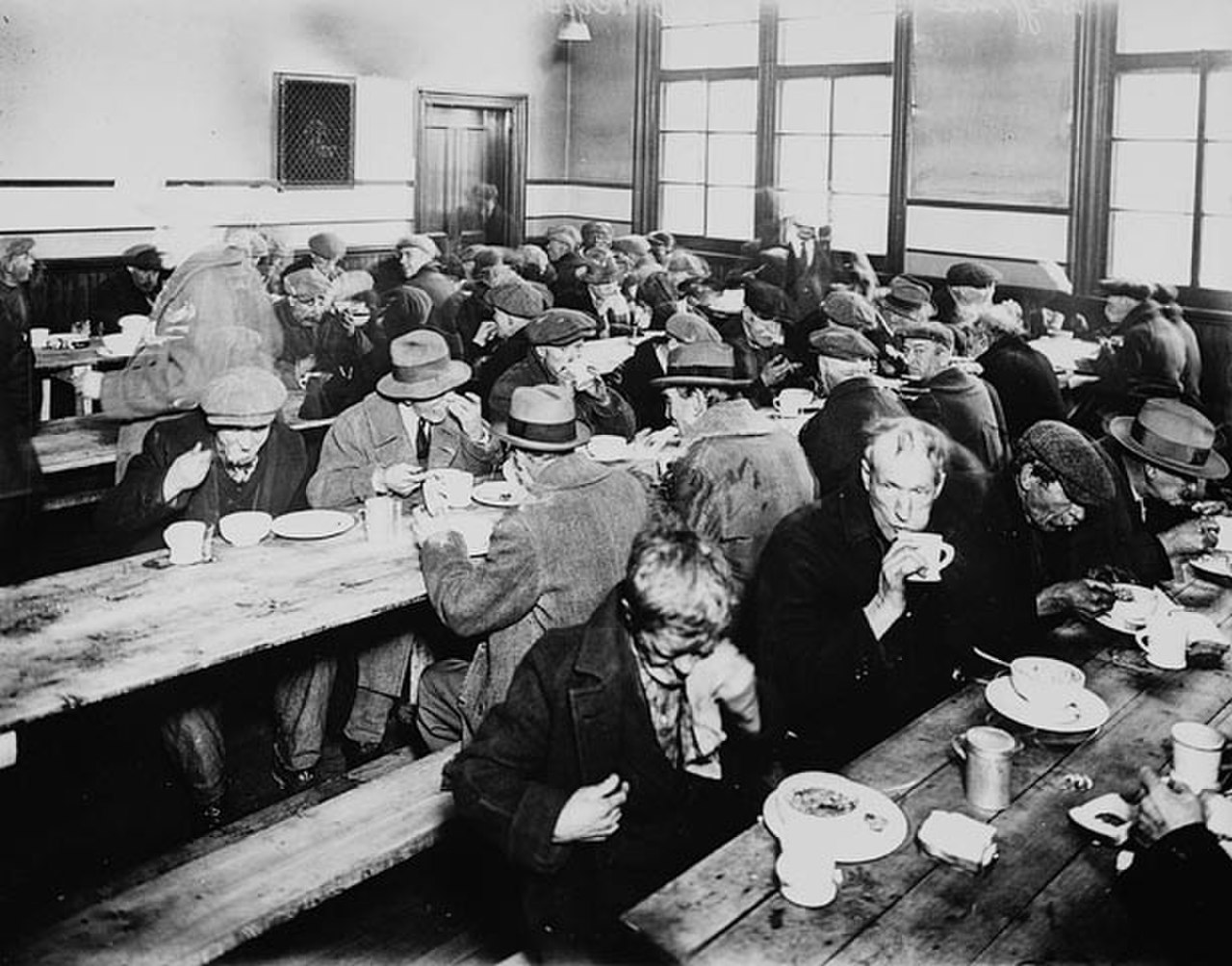
The history of soup kitchens is a long and complex one, with roots in ancient civilizations. As noted in the history of food banks, the concept of providing food to the poor has evolved over time, with various organizations and individuals playing a role. In the United States, soup kitchens became more widespread during the Great Depression, when many people were struggling to access basic necessities like food and shelter. Today, soup kitchens continue to play a vital role in many communities, providing a safe and welcoming space for people to access nutritious meals. Organizations like Feeding America and Food Research & Action Center work to support and advocate for soup kitchens and other food assistance programs.
🍴 How Soup Kitchens Work
So, how do soup kitchens actually work? Typically, these organizations are staffed by volunteer groups, such as church or community organizations, which help to prepare and serve meals to those in need. As explained in volunteer management, many soup kitchens rely on donations of food, money, and time to operate. Some soup kitchens also partner with food banks to obtain food at a low cost or for free, which helps to stretch their resources and serve more people. For instance, the New York City Food Bank provides food to many soup kitchens in the New York City area, helping to support their mission to feed the hungry.
👫 Staffing and Volunteers
Staffing and volunteers are the backbone of any successful soup kitchen. As discussed in nonprofit management, many organizations rely on volunteers to help with everything from food preparation to serving meals. Some soup kitchens also employ paid staff, such as chefs, cooks, and social workers, to help manage the organization and provide additional support to clients. For example, the Los Angeles Mission has a team of paid staff and volunteers who work together to provide meals and other services to people in need. Organizations like National Volunteer Week help to recognize and support the important work of volunteers in soup kitchens and other nonprofit organizations.
🍔 Food Sourcing and Donations
Food sourcing and donations are critical to the success of any soup kitchen. As noted in food recovery, many organizations rely on donations of food from local businesses, farms, and individuals to stock their pantries and feed their clients. Some soup kitchens also partner with food banks or other organizations to obtain food at a low cost or for free. For instance, the Greater Chicago Food Depository provides food to many soup kitchens in the Chicago area, helping to support their mission to feed the hungry. Additionally, organizations like Meals on Wheels provide food and other services to people in need, often in partnership with local soup kitchens.
🏙️ Locations and Accessibility
Locations and accessibility are also important considerations for soup kitchens. As explained in food desert, many organizations are located in lower-income neighborhoods, where access to healthy and affordable food may be limited. Some soup kitchens also offer mobile meal programs or delivery services, which can help to reach people who may be unable to access a traditional soup kitchen. For example, the San Francisco Food Bank has a mobile pantry program that brings food to people in need in various locations throughout the city. Organizations like United Way help to support and advocate for soup kitchens and other food assistance programs, often with a focus on addressing issues like food insecurity and poverty.
📊 Statistics and Impact
Statistics and impact are important measures of the success of any soup kitchen. As noted in hunger statistics, millions of people around the world struggle with hunger and food insecurity every day. Soup kitchens play a critical role in addressing this issue, providing meals and other support to people in need. For instance, the Feeding America network of food banks and soup kitchens provides food to over 40 million people in the United States each year. Organizations like No Kid Hungry work to support and advocate for programs that provide food and other services to children and families in need.
🤝 Community Involvement and Partnerships
Community involvement and partnerships are essential to the success of any soup kitchen. As discussed in community development, many organizations partner with local businesses, churches, and other organizations to provide food, funding, and other resources. Some soup kitchens also offer additional services, such as job training, housing assistance, and mental health support, to help clients address the root causes of hunger and poverty. For example, the Catholic Charities USA organization provides a range of services, including food, housing, and job training, to people in need. Organizations like Points of Light help to support and recognize the important work of volunteers and organizations in soup kitchens and other community programs.
🌎 Global Reach and Variations
The global reach and variations of soup kitchens are also worth noting. As explained in global hunger, hunger and food insecurity are issues that affect people all around the world. While the concept of a soup kitchen may be similar from one country to another, the specific challenges and opportunities faced by these organizations can vary greatly. For instance, the World Food Programme provides food and other assistance to people in need in many countries around the world, often in partnership with local organizations and governments. Organizations like Oxfam work to address the root causes of hunger and poverty, often through advocacy and community-based programs.
🚀 Future of Soup Kitchens
Finally, the future of soup kitchens is an important topic to consider. As noted in food systems, the way that we produce, distribute, and consume food is changing rapidly, and soup kitchens must adapt to these changes in order to continue providing vital services to people in need. Some organizations are exploring new models, such as pay-what-you-can cafes or community-supported agriculture programs, to help address issues like food insecurity and sustainability. For example, the Food Recovery Network works to reduce food waste and provide food to people in need, often in partnership with local soup kitchens and other organizations. Organizations like Ashoka help to support and recognize the work of social entrepreneurs and innovators who are working to address issues like hunger and poverty.
Key Facts
- Year
- 1795
- Origin
- England
- Category
- Social Services
- Type
- Non-Profit Organization
Frequently Asked Questions
What is a soup kitchen?
A soup kitchen is a place where food is offered to hungry and homeless people, usually for no cost or at a below-market price. These organizations are often staffed by volunteer groups and rely on donations of food, money, and time to operate. As explained in the soup kitchen model, the goal of these organizations is to provide a safe and welcoming space for people to access nutritious meals and other support services. For example, the DC Central Kitchen provides meals and other services to people in need in Washington, D.C.
How do soup kitchens obtain food?
Soup kitchens often obtain food from a variety of sources, including food banks, local businesses, and individual donors. Some organizations also partner with farms or other food producers to obtain fresh, healthy food for their clients. As noted in food sourcing, the specific sources of food may vary depending on the location and resources of the soup kitchen. For instance, the Chicago Food Depository provides food to many soup kitchens in the Chicago area, helping to support their mission to feed the hungry.
What services do soup kitchens provide?
In addition to providing meals, many soup kitchens offer a range of other services to support their clients. These may include job training, housing assistance, mental health support, and other forms of support. As discussed in wraparound services, the goal of these organizations is to provide a comprehensive and supportive environment that helps people to address the root causes of hunger and poverty. For example, the Los Angeles Homeless Services Authority provides a range of services, including food, housing, and job training, to people in need.
How can I get involved with a soup kitchen?
There are many ways to get involved with a soup kitchen, including volunteering, donating food or money, and spreading the word about the organization's mission and services. As explained in volunteer opportunities, many soup kitchens rely on volunteers to help with everything from food preparation to serving meals. For instance, the San Francisco Food Bank has a variety of volunteer opportunities available, from sorting and packing food to helping with special events.
What is the impact of soup kitchens on their communities?
Soup kitchens play a critical role in addressing issues like hunger and food insecurity, and can have a significant impact on the health, well-being, and economic stability of their clients. As noted in community impact, these organizations can also help to build stronger, more resilient communities by providing a safe and welcoming space for people to come together and access support services. For example, the New York City Food Bank provides food and other services to over 1.5 million people in New York City each year, helping to support their mission to feed the hungry and address issues like food insecurity and poverty.
How can I start a soup kitchen in my community?
Starting a soup kitchen requires a significant amount of planning, resources, and community support. As discussed in starting a soup kitchen, it's essential to research the needs of your community, build partnerships with local organizations and businesses, and develop a sustainable business model that will allow your organization to thrive over time. For instance, the National Soup Kitchen Directory provides a range of resources and information for people who are interested in starting a soup kitchen in their community.
What are some common challenges faced by soup kitchens?
Soup kitchens often face a range of challenges, including funding constraints, food shortages, and limited resources. As noted in soup kitchen challenges, these organizations must also navigate complex issues like poverty, hunger, and food insecurity, and work to address the root causes of these problems in their communities. For example, the Food Research & Action Center provides research and advocacy support to help address issues like hunger and food insecurity, and to support the work of soup kitchens and other food assistance programs.