
Contents
Overview
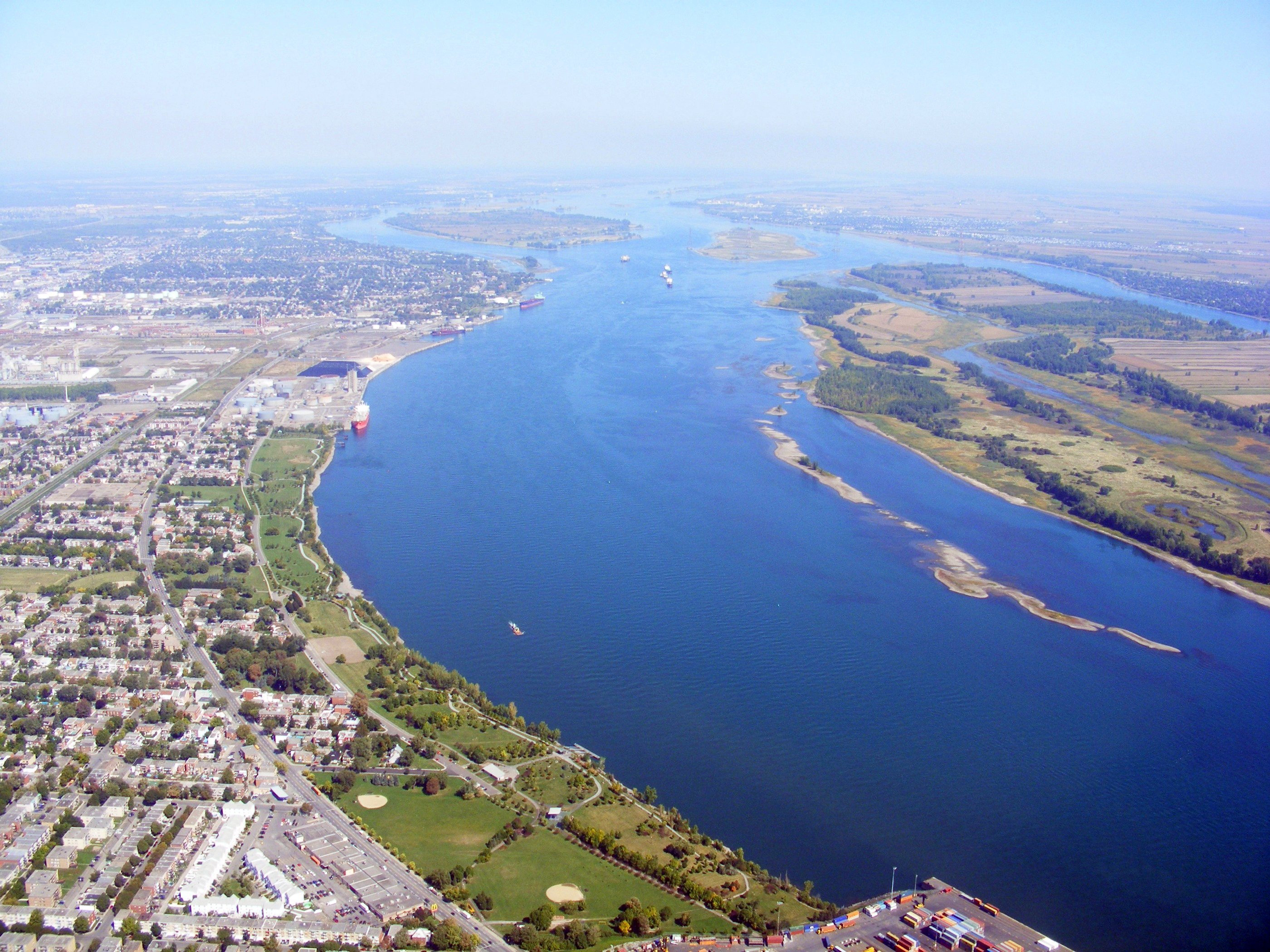
The St. Lawrence River has a rich history, with Indigenous peoples of North America inhabiting its banks for thousands of years. In the 16th century, Jacques Cartier became the first European explorer to navigate the river, claiming it for France and naming it after Saint Lawrence, a Christian martyr. The river played a vital role in the development of the region, with French colonization of North America and the establishment of trade routes with Native American tribes. Today, the river is an important transportation route, with Great Lakes shipping and St. Lawrence Seaway being crucial to the regional economy.
🌴 Cultural Impact
The St. Lawrence River has had a significant impact on the culture and economy of the region. It has been an important transportation route for centuries, with St. Lawrence Seaway being a vital shipping route for goods between the Great Lakes and the North Atlantic Ocean. The river has also played a crucial role in the development of the region's tourism industry, with Thousand Islands and Mingan Archipelago being popular destinations for boating and outdoor recreation. The river's cultural significance is also reflected in its designation as a UNESCO World Heritage Site.
🌊 Environmental Concerns
Despite its importance, the St. Lawrence River faces several environmental concerns, including pollution, climate change, and habitat destruction. The river's waters are affected by pollution from agricultural runoff, industrial waste, and sewage, which can harm aquatic life and human health. Climate change is also altering the river's ecosystem, with changes in water temperature and ice cover affecting the distribution and abundance of marine species. Efforts are being made to protect the river's environment, including the establishment of marine protected areas and the implementation of sustainable fishing practices. Organizations such as the St. Lawrence River Keepers and the Great Lakes Fishery Commission are working to conserve the river's natural resources and promote sustainable development in the region.
Key Facts
- Year
- 1534
- Origin
- North America
- Category
- nature
- Type
- place
Frequently Asked Questions
What is the length of the St. Lawrence River?
The St. Lawrence River is approximately 744 miles (1,197 km) long. It flows through the provinces of Ontario and Quebec in Canada, and the state of New York in the United States. The river's drainage basin is over 500,000 square miles (1,300,000 km²), making it one of the largest in the world. For more information, visit the St. Lawrence River Keepers website.
What is the economic importance of the St. Lawrence River?
The St. Lawrence River is an important transportation route, with Great Lakes shipping and St. Lawrence Seaway being crucial to the regional economy. The river is also home to a diverse range of marine life, including beluga whales, humpback whales, and fin whales, which can be found in the Saguenay–St. Lawrence Marine Park.
What are the environmental concerns facing the St. Lawrence River?
The St. Lawrence River faces several environmental concerns, including pollution, climate change, and habitat destruction. The river's waters are affected by pollution from agricultural runoff, industrial waste, and sewage, which can harm aquatic life and human health. Climate change is also altering the river's ecosystem, with changes in water temperature and ice cover affecting the distribution and abundance of marine species. For more information, visit the Environment and Climate Change Canada website.
What is the cultural significance of the St. Lawrence River?
The St. Lawrence River has played a significant role in the culture and history of the region. It has been an important transportation route for centuries, with St. Lawrence Seaway being a vital shipping route for goods between the Great Lakes and the North Atlantic Ocean. The river has also been the subject of numerous artistic and literary works, including the famous poem by Leonard Cohen.
What are the conservation efforts for the St. Lawrence River?
Efforts are being made to protect the St. Lawrence River's environment, including the establishment of marine protected areas and the implementation of sustainable fishing practices. Organizations such as the St. Lawrence River Keepers and the Great Lakes Fishery Commission are working to conserve the river's natural resources and promote sustainable development in the region. For more information, visit the Conservation Ontario website.