
Contents
Overview
The genesis of the Las Vegas Strip can be traced back to the 1930s and 1940s, long before the iconic megaresorts dominated the landscape. Early gambling halls and motor courts began appearing along U.S. Route 91, south of the burgeoning city of Las Vegas. The pivotal moment arrived with the opening of the El Rancho Vegas, often cited as the first resort on what would become the Strip. However, the true infusion of capital and ambition came in the post-World War II era, significantly influenced by figures like Bugsy Siegel, who envisioned a more glamorous, Hollywood-esque destination. Siegel's Flamingo Hotel, opened in 1946, set a new standard for opulence and entertainment, attracting celebrities and high rollers alike. The subsequent decades saw a rapid expansion, with the Howard Hughes era in the 1960s and 70s bringing legitimacy and corporate investment, moving away from the earlier mob control and paving the way for the massive themed resorts of the late 20th century. Steve Wynn pioneered the concept of the modern megaresort with properties like The Mirage and Bellagio, which redefined the scale and ambition of Strip properties.
⚙️ How It Works
The Las Vegas Strip operates as a meticulously engineered ecosystem designed for maximum visitor engagement and revenue generation. At its core are the massive integrated resorts, which combine hotels, casinos, convention centers, retail spaces, and a dizzying array of dining and entertainment options under one roof. The casino floor is the primary engine, employing sophisticated slot machine technology and table game strategies to encourage continuous play. Hotel occupancy is driven by a combination of leisure travelers, convention attendees, and business events, with room rates often fluctuating based on demand and major events like the Super Bowl or Formula 1 races. Entertainment is a critical draw, ranging from resident headliner shows by artists like Adele and U2 to elaborate productions like Cirque du Soleil's various spectacles. The entire experience is orchestrated to keep visitors within the resort's confines for as long as possible, a strategy known as 'resortification,' pioneered by developers like Steve Wynn and Ian Schrager.
📊 Key Facts & Numbers
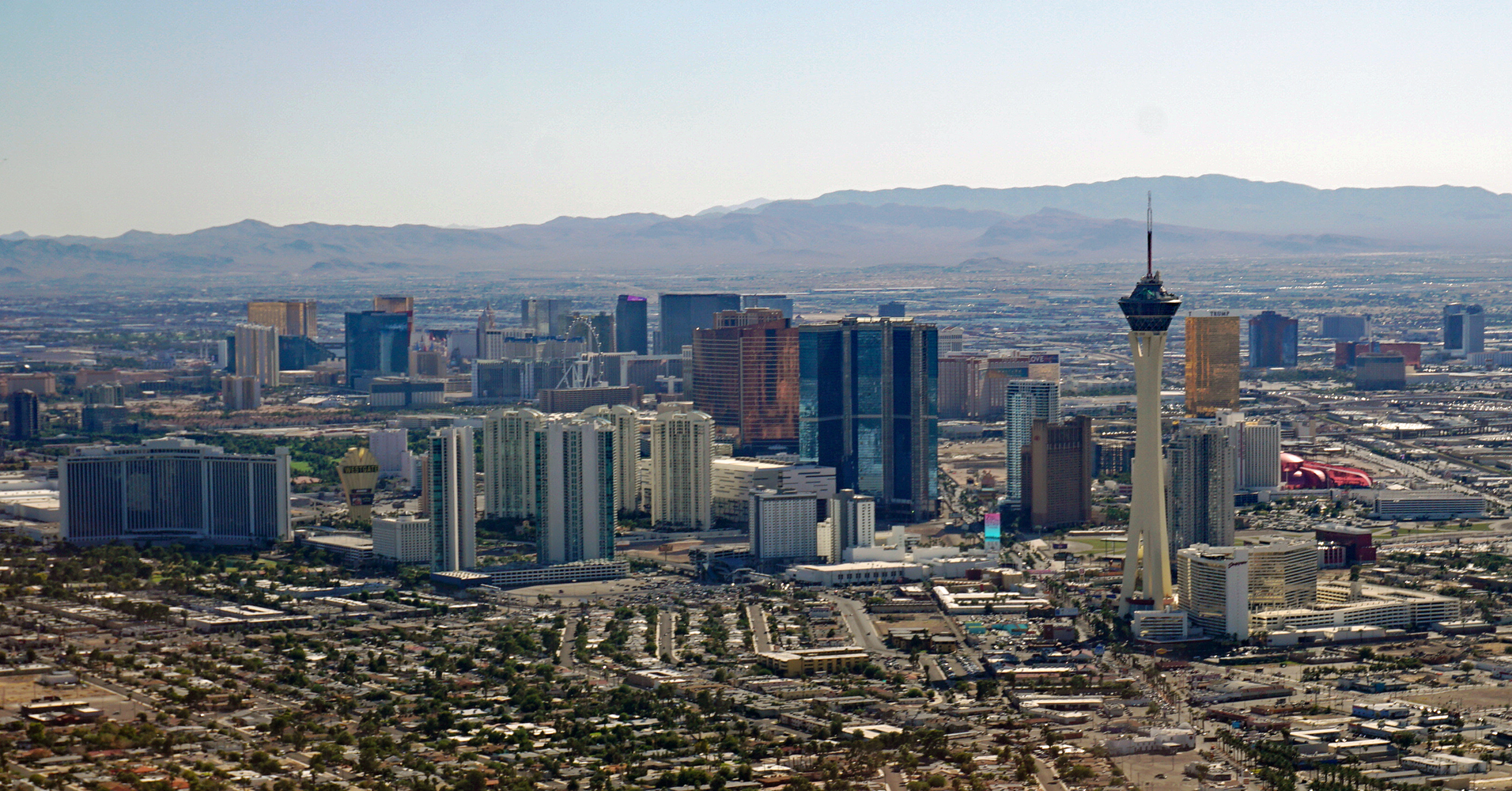
The Las Vegas Strip is a titan of tourism, attracting an estimated 40 million visitors annually, a figure that fluctuates but consistently places it among the world's most visited destinations. The stretch is home to over 150,000 hotel rooms, with properties like The Venetian and The Palazzo boasting over 7,000 rooms combined. In 2023, visitor spending on the Strip was projected to exceed $40 billion, with gaming revenue alone accounting for over $8 billion in Clark County. The average visitor spends approximately $1,200 during a typical 3-night stay. The Strip's skyline is punctuated by structures like The Stratosphere, standing at 1,149 feet (350 meters), and the Resorts World Las Vegas, which cost an estimated $4.3 billion to construct, making it one of the most expensive hotel projects ever. The average daily room rate on the Strip can range from $150 to over $500, depending on the season and events.
👥 Key People & Organizations
The Strip's development has been shaped by a constellation of visionary developers, shrewd investors, and influential figures. Bugsy Siegel, the infamous mobster, is credited with establishing the blueprint for the glamorous casino resort with his 1946 opening of The Flamingo. Howard Hughes later acquired several properties in the 1960s, injecting corporate legitimacy and significantly altering the ownership landscape. In the late 20th century, Steve Wynn emerged as a transformative force, pioneering the concept of the modern megaresort with properties like The Mirage and Bellagio, emphasizing themed environments and high-end amenities. Sheldon Adelson, through Las Vegas Sands, revolutionized the industry by focusing on convention business and non-gaming revenue streams with properties like The Venetian. More recently, companies like MGM Resorts International and Caesars Entertainment dominate the Strip, operating a majority of the major resorts.
🌍 Cultural Impact & Influence
The Las Vegas Strip is more than just a tourist destination; it's a cultural phenomenon that has profoundly influenced global perceptions of entertainment, luxury, and American excess. Its visual language, characterized by towering themed hotels, dazzling neon signage, and elaborate fountains like those at the Bellagio, has been replicated and referenced in countless films, television shows, and music videos, solidifying its place in popular culture. The Strip has become synonymous with escapism, risk-taking, and the pursuit of the extraordinary, influencing everything from architectural design to the very concept of a 'destination resort.' The rise of the Strip also paralleled and influenced the growth of the Las Vegas metropolitan area, transforming a desert outpost into a global entertainment capital. Its impact extends to the gaming industry worldwide, setting standards for casino design, entertainment programming, and marketing strategies that are emulated across continents.
⚡ Current State & Latest Developments
The Las Vegas Strip continues its evolution, adapting to changing consumer tastes and economic conditions. The opening of Resorts World Las Vegas marked the first new resort on the Strip in over a decade, signaling a new wave of development. The recent acquisition of The Cosmopolitan by MGM Resorts International for $1.625 billion in 2021 highlights ongoing consolidation and strategic realignments among major operators. The Strip is also increasingly focusing on non-gaming revenue, with significant investments in convention facilities, high-end retail, and diverse culinary offerings. The return of major sporting events, including the Vegas Golden Knights' Stanley Cup victory and the Las Vegas Raiders' move to the Allegiant Stadium, further diversifies its appeal. The ongoing integration of technology, from mobile check-in to personalized guest experiences, is also a key focus for operators like Caesars Entertainment and MGM Resorts International.
🤔 Controversies & Debates
The Las Vegas Strip is not without its controversies, often stemming from its very nature as a hub of gambling and conspicuous consumption. Critics frequently point to the Strip's role in promoting problem gambling and its potential to foster addiction, a concern that has led to ongoing debates about regulation and responsible gaming practices, championed by organizations like the National Council on Problem Gambling. The immense scale of development has also raised environmental concerns regarding water usage and land development in an arid region. Furthermore, the Strip's history is intertwined with organized crime, and while corporate ownership has largely supplanted mob influence, questions about transparency and ethical business practices have periodically surfaced. The economic model, heavily reliant on tourism, also makes it vulnerable to external shocks, as seen during the COVID-19 pandemic when closures led to significant economic downturns.
🔮 Future Outlook & Predictions
The future of the Las Vegas Strip appears poised for continued transformation, driven by technological advancements and evolving visitor expectations. The proposed Oak Park project, a massive mixed-use development, signals a potential expansion and diversification beyond traditional casino resorts. The increasing integration of artificial intelligence and data analytics is expected to personalize guest experiences further, from customized entertainment recommendations to dynamic pricing strategies. The potential for further integration of sports, with ongoing discussions about new professional teams and major sporting events, will likely solidify its status as a sports tourism mecca. Expe
Key Facts
- Category
- culture
- Type
- topic