
Contents
Overview
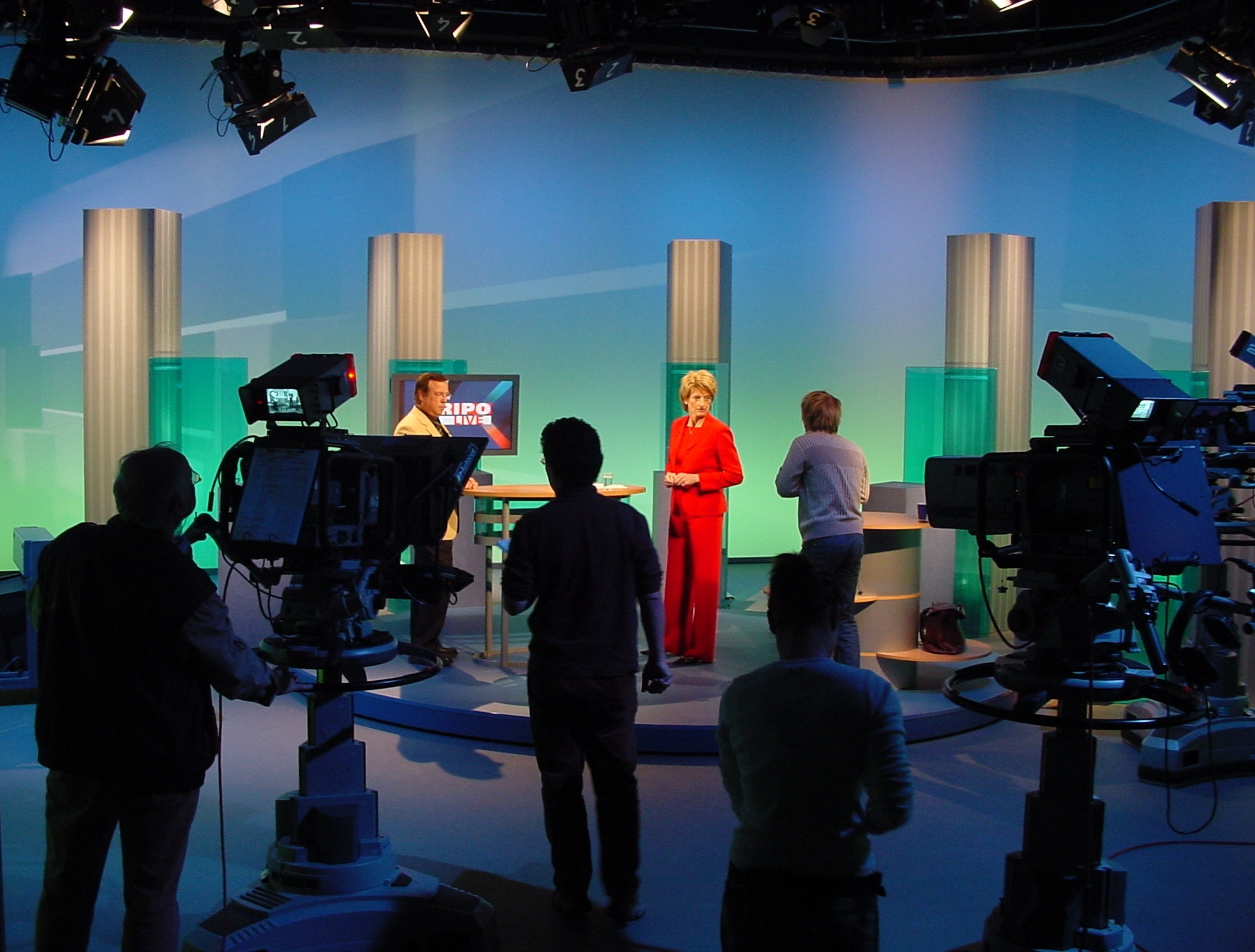
TV production encompasses the entire process of creating television content, from the initial spark of an idea to the final broadcast or streaming release. This complex industry involves a vast array of professionals, technologies, and financial investments, transforming scripts into compelling visual narratives. It spans multiple stages: pre-production (writing, casting, budgeting, location scouting), production (filming, directing, sound recording), and post-production (editing, visual effects, sound mixing, color grading). The scale can range from a single independent filmmaker to massive studio operations with multi-million dollar budgets for blockbuster series. Understanding TV production is key to appreciating the art and business behind the shows that shape global culture and entertainment, with its evolution constantly driven by technological advancements and shifting audience consumption habits.
🎵 Origins & History
The genesis of TV production is inextricably linked to the dawn of television broadcasting itself. Early broadcasts, pioneered by figures like Philo Farnsworth and Vladimir Zworykin, were experimental and often live, utilizing rudimentary cameras and transmission methods. Major networks like CBS and NBC in the US were established post-World War II, which began developing more structured production pipelines. The advent of videotape recording in the mid-1950s, notably by Ampex, revolutionized the process, allowing for easier editing and re-shoots, moving away from purely live broadcasts and paving the way for the serialized dramas and sitcoms we recognize today.
⚙️ How It Works
At its core, TV production follows a structured workflow. It begins with pre-production, where scripts are finalized, budgets are set, casting directors find talent, and location scouts secure filming sites. The production phase involves the actual shooting, with directors guiding actors and crew, cinematographers capturing images, and sound mixers recording dialogue and ambient noise, often using multiple digital cameras simultaneously for efficiency. Post-production is where the magic is truly assembled: editors cut and assemble footage, visual effects artists create CGI elements, sound designers add sound effects and foley, composers score the music, and colorists grade the footage to achieve a specific look. Finally, the finished product is delivered to broadcasters or streaming platforms like Netflix or Amazon Prime Video for distribution to audiences worldwide.
📊 Key Facts & Numbers
The global TV production market is a colossal economic engine. The industry employs millions globally, from grips and gaffers to writers and directors, with a significant portion of revenue reinvested into new productions.
👥 Key People & Organizations
The landscape of TV production is shaped by a diverse cast of individuals and entities. Shonda Rhimes, through her Shondaland production company, has been a dominant force in network and streaming television, creating hits like Grey's Anatomy and Bridgerton. Peter Jackson, primarily known for his film work, has also ventured into television production with series like The Lord of the Rings: The Rings of Power. Major studios like Warner Bros. Television Studios, Sony Pictures Television, and Universal Television are cornerstones of the industry, producing content for countless networks and streamers. Streaming giants like Netflix, Amazon Studios, and Apple TV+ have become major commissioners and producers, directly funding and creating vast amounts of original programming, often competing fiercely for talent and intellectual property. Independent production companies, though smaller, are crucial for innovation and niche content.
🌍 Cultural Impact & Influence
TV production is a powerful cultural force, shaping global narratives, influencing fashion, language, and social discourse. Shows like Game of Thrones from HBO not only redefined epic fantasy on television but also set new benchmarks for production value and global viewership. The rise of reality television, exemplified by shows like Survivor and The Real Housewives franchise, has blurred the lines between scripted drama and documentary, impacting societal perceptions of authenticity and celebrity. Furthermore, the international reach of TV production, with shows like Squid Game from South Korean broadcaster JTBC becoming global phenomena on Netflix, demonstrates its capacity to transcend cultural barriers and foster cross-cultural understanding, albeit sometimes through the lens of Western-dominated production models.
⚡ Current State & Latest Developments
The current state of TV production is defined by the explosive growth of streaming services and the ensuing 'content arms race'. Companies like Netflix, Disney+, Max, and Paramount+ are commissioning an unprecedented volume of original series and films, leading to increased demand for talent, studio space, and production infrastructure. This has also fueled a rise in international co-productions and a greater diversity of stories being told, as streamers seek global appeal. However, the market is also facing saturation, with increasing competition and subscriber fatigue. The ongoing WGA strike and SAG-AFTRA strike highlighted tensions over compensation, residuals, and the impact of artificial intelligence on creative roles, signaling a period of significant labor and creative flux within the industry.
🤔 Controversies & Debates
Significant controversies swirl around TV production, particularly concerning labor practices and the ethical implications of content. The aforementioned writers' strike and actors' strike brought to the forefront issues of fair compensation in the streaming era, where traditional residual models are challenged. Concerns about the use of artificial intelligence in scriptwriting, voice acting, and even digital likenesses are paramount, with unions pushing for protections. Furthermore, debates persist regarding the representation of diverse groups on-screen and behind the camera, with critics arguing that many productions still fall short of true inclusivity. The ethical considerations of portraying sensitive topics, the potential for misinformation in documentaries, and the impact of binge-watching on audience well-being are also subjects of ongoing discussion.
🔮 Future Outlook & Predictions
The future of TV production is likely to be shaped by further technological integration and evolving audience behaviors. Expect continued advancements in virtual production techniques, utilizing LED walls and real-time rendering to create immersive sets, as seen in shows like The Mandalorian on Disney+. The role of AI in production will undoubtedly expand, potentially assisting in script analysis, storyboarding, and even generating background elements, though human oversight and creative control will remain critical battlegrounds. The fragmentation of the streaming market may lead to more consolidation or the emergence of niche platforms catering to specific interests. Furthermore, interactive storytelling, where viewers can influence plotlines, could see greater experimentation, moving beyond simple branching narratives to more deeply integrated experiences. The economic models will also continue to adapt, with potential shifts in subscription tiers, advertising integration, and direct-to-consumer models.
💡 Practical Applications
TV production's practical applications are vast, forming the backbone of the entertainment industry. It's the engine behind every sitcom, drama series, documentary, reality show, and late-night talk show that graces our screens. Beyond entertainment, TV production principles are applied in corporate video creation, educational programming, virtual reality experiences, and even in the development of video games that feature cinematic cutscenes. The techniques honed in TV production, from cinematography and editing to sound design and narrative structuring, are transferable skills used across various media industries. For instance, the rise of YouTube creators and Twitch streamers often involves adopting production methodologies le
Key Facts
- Category
- technology
- Type
- topic