
Contents
Overview
Upcycled clothing brands transform pre-owned garments and textile waste into new, fashionable items, diverting materials from landfills and challenging the linear model of fast fashion. This movement gained significant traction in the mid-2000s with DIY culture and books like "Generation T," but has since evolved into a sophisticated sector within the fashion industry. Brands like Reformation, Patagonia, and Marine Serre are at the forefront, utilizing innovative techniques to create unique pieces that often command premium prices due to their craftsmanship and sustainability credentials. The market for upcycled fashion is projected to grow substantially, driven by increasing consumer awareness of environmental issues and a desire for unique, ethically produced clothing.
🎵 Origins & History
The concept of upcycling clothing isn't new; for centuries, garments were mended, repurposed, and transformed out of necessity. The modern upcycled clothing movement began to coalesce in the early 2000s, fueled by a burgeoning DIY culture and a growing awareness of fashion's environmental footprint. Books like Generation T (2006) by Carrie M. Nicolay popularized the idea of transforming old t-shirts into new garments, sparking a wave of creative reuse. By the late 2010s, this ethos had permeated high fashion, with designers like Marine Serre gaining international acclaim for their avant-garde upcycled collections, demonstrating that salvaged textiles could be the foundation for luxury fashion.
⚙️ How It Works
Upcycled clothing brands operate on a principle of creative deconstruction and reconstruction. The process typically begins with sourcing post-consumer textiles, deadstock fabrics, or industrial waste. These materials are then meticulously cleaned, sorted, and analyzed for their potential. Designers and artisans employ various techniques, including cutting, sewing, patching, dyeing, and embellishing, to transform the original garments into entirely new pieces. Some brands focus on a single type of garment, like t-shirts or denim, while others work with a broader range of materials. The emphasis is on adding value and design intent, distinguishing upcycling from simple recycling, which often breaks down materials into fibers for new production.
📊 Key Facts & Numbers
The upcycled clothing market is experiencing significant growth. The global sustainable fashion market, which includes upcycled items, is projected to grow substantially. Brands like Reformation reportedly use upcycled or recycled materials in their product lines. Globally, the fashion industry generates an estimated 92 million tons of textile waste annually, and upcycling offers a direct solution to divert a portion of this. For instance, Patagonia's "Worn Wear" program has repaired garments since its inception, extending their lifespan and preventing waste.
👥 Key People & Organizations
Key figures and organizations have been instrumental in popularizing upcycled fashion. Carrie M. Nicolay, author of the "Generation T" book series, was a pioneer in bringing DIY upcycling to a mainstream audience in the mid-2000s. Brands like Reformation have built a successful business model around using deadstock and recycled fabrics. Marine Serre has become a darling of the high fashion scene for her innovative use of upcycled materials, reportedly earning her the LVMH Prize in 2017. Organizations like the Fashion Revolution movement advocate for greater transparency and sustainability in the industry, indirectly supporting the growth of upcycled brands.
🌍 Cultural Impact & Influence
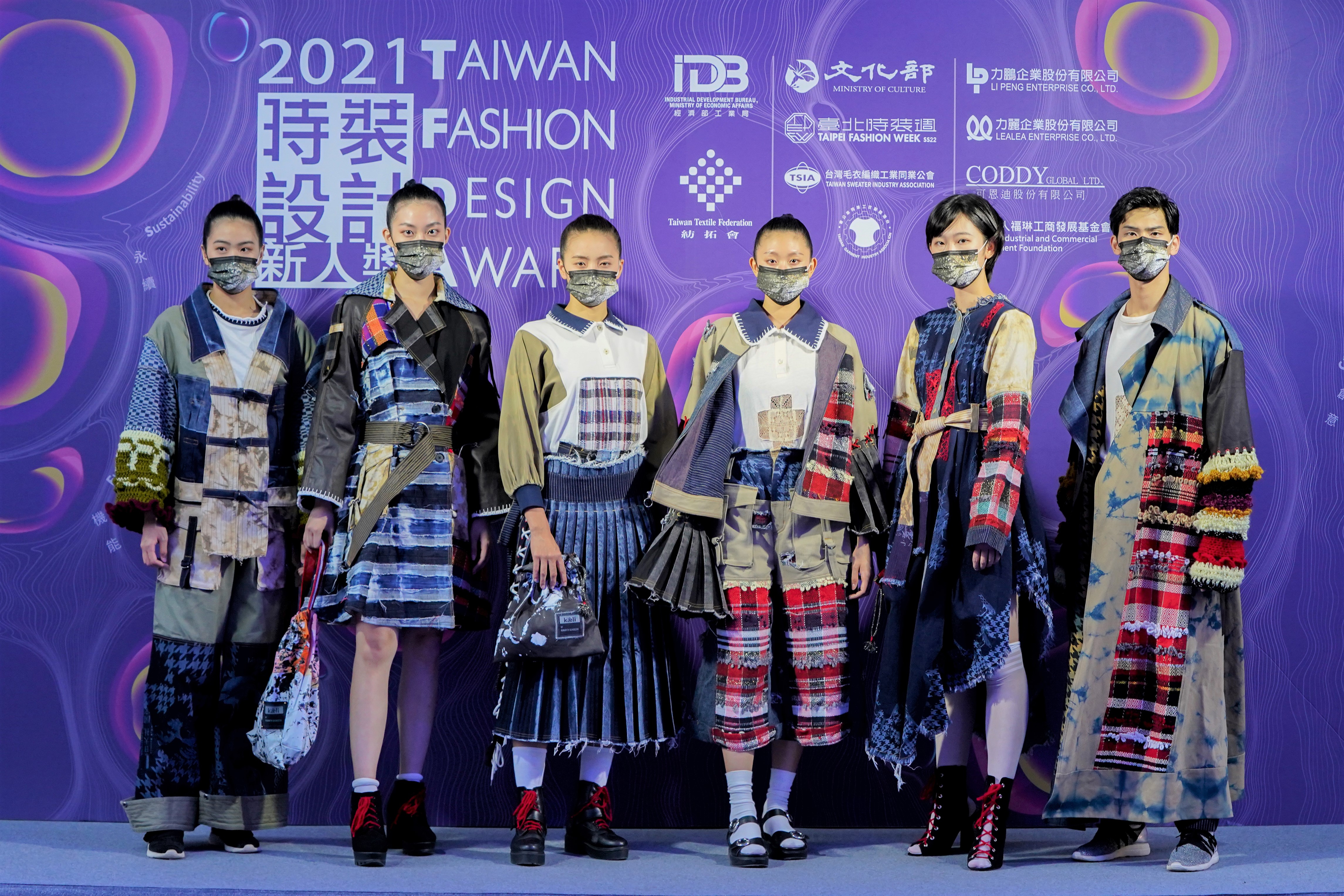
Upcycled clothing brands have influenced consumer perceptions of fashion and sustainability. They've demonstrated that discarded materials can be transformed into desirable, high-value products, challenging the notion that newness is paramount. This has contributed to a broader cultural shift towards conscious consumption and a greater appreciation for craftsmanship and unique design. The aesthetic of upcycled clothing, often characterized by visible mending, patchwork, and unique material combinations, has also found its way into mainstream fashion trends, influencing designers beyond the dedicated upcycling niche. The rise of platforms like Etsy has also provided a crucial marketplace for independent upcycling designers to reach a global audience.
⚡ Current State & Latest Developments
The upcycled clothing sector is currently experiencing a boom, moving beyond niche markets into more mainstream retail. Major brands are increasingly incorporating upcycled collections or using recycled materials. For example, Adidas has launched initiatives like "Made With Nature," which includes products made from recycled and renewable materials. The technology for textile sorting and recycling is also advancing, making it easier for brands to scale their upcycling efforts. Furthermore, the resale market, exemplified by platforms like Depop and Vinted, complements the upcycling movement by keeping garments in circulation longer, providing a source of materials for upcyclers and consumers seeking pre-loved items.
🤔 Controversies & Debates
The primary controversy surrounding upcycled clothing brands often revolves around authenticity and scale. Critics question whether some brands truly upcycle or merely use recycled materials, which is a different process. There's also debate about the labor practices involved in some smaller operations, and whether the premium pricing of upcycled garments is justified. Scaling upcycling to meet mass-market demand presents significant logistical challenges, as each piece is unique and requires individual attention. The definition of "upcycling" itself can be fluid, leading to greenwashing concerns where brands may overstate their sustainability claims.
🔮 Future Outlook & Predictions
The future of upcycled clothing brands appears to be one of continued growth, driven by escalating environmental concerns and evolving consumer preferences. We can expect to see further integration of advanced technologies, such as AI-powered material sorting and digital design tools, to enhance efficiency and creativity. Brands will likely focus on developing more sophisticated upcycling techniques to produce higher volumes of consistent, high-quality garments. Collaboration between upcycling brands, traditional fashion houses, and technology companies will become more common, fostering innovation. The regulatory landscape may also shift, with potential policies encouraging or mandating the use of recycled and upcycled materials in apparel production.
💡 Practical Applications
Upcycled clothing finds practical application across various segments of the fashion industry. Independent designers and small businesses use upcycling to create unique, artisanal pieces for direct-to-consumer sales via platforms like Etsy or their own websites. Larger brands utilize upcycling for limited-edition collections or as part of their sustainability initiatives, often marketing these items as premium products. Textile recycling facilities are increasingly incorporating upcycling processes to add value to salvaged materials. Furthermore, educational institutions and workshops offer upcycling classes, empowering individuals to transform their own wardrobes and reduce textile waste.
Key Facts
- Category
- culture
- Type
- movement