Vespa Clubs | Vibepedia
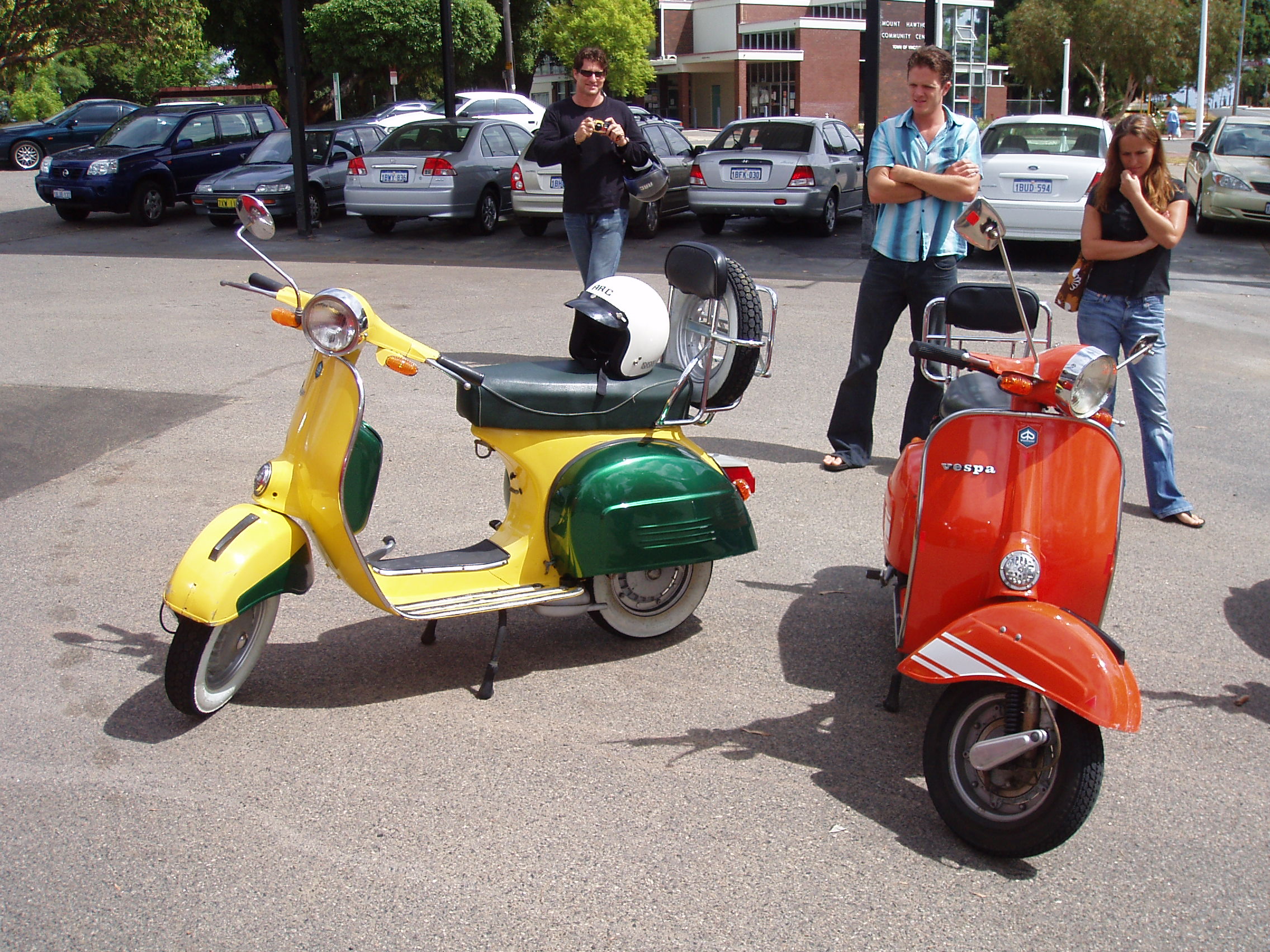
Vespa clubs are organized groups of enthusiasts dedicated to the iconic Italian scooter brand, Piaggio Vespa. These clubs serve as social hubs, organizing…
Contents
Overview
The genesis of Vespa clubs is intrinsically linked to the rise of the Vespa scooter itself. As the distinctive, wasp-waisted scooters gained popularity across Italy and then internationally, owners began seeking each other out. Early informal meetups likely occurred organically in piazzas and cafes, driven by a shared appreciation for the innovative design and practical utility of the Vespa 98 and its successors. The post-war era saw a surge in personal mobility, and the Vespa, with its monocoque chassis and leg shield, offered an accessible and stylish solution. As Vespas became ubiquitous in cities like Rome and Milan, dedicated clubs began to formalize, organizing their first organized rides and social events. These nascent clubs were crucial in building brand loyalty and fostering a subculture around the scooter, laying the groundwork for the global network that exists today. The FMI's recognition of Vespa clubs further solidified their organizational structure.
⚙️ How It Works
Vespa clubs operate on a decentralized, community-driven model, with varying degrees of formal structure. At their core, they are social organizations for Vespa owners and enthusiasts. Membership typically involves a shared passion for the scooters, though some clubs may require ownership of a Vespa to join. Activities commonly include regular group rides, often to scenic locations or local attractions, and social gatherings such as 'coffee runs' or evening meetups. Larger clubs organize annual rallies, which can span several days and attract hundreds or even thousands of participants from different regions and countries. These rallies often feature organized tours, technical workshops, vintage scooter competitions, and social events. Many clubs maintain an online presence through websites or social media groups, facilitating communication, event planning, and the sharing of information about Vespa restoration and maintenance. Some clubs are affiliated with national organizations like the Vespa Club of America or the Associazione Vespa Club d'Italia, which may provide guidelines or support for local chapters.
📊 Key Facts & Numbers
Globally, there are an estimated 500 to 1,000 active Vespa clubs, with membership numbers ranging from a dozen to over 500 individuals per club. The Vespa Club of America alone boasts over 100 chartered clubs across the United States. International Vespa rallies, such as the Grand National Rally organized by the VCA, can draw up to 1,000 attendees. The World Vespa Day, celebrated annually on April 23rd, sees participation from thousands of Vespas and riders in hundreds of cities worldwide, often coordinated or amplified by local Vespa clubs. Piaggio, the manufacturer of Vespa, estimates that over 19 million scooters have been produced since 1946, providing a vast potential pool of enthusiasts. Many clubs organize at least 12 official rides or events per year, with smaller, informal meetups occurring weekly or bi-weekly.
👥 Key People & Organizations
While many Vespa clubs are grassroots organizations with no single figurehead, certain individuals and organizations have been instrumental in their development and promotion. Piaggio & Co. S.p.A. has historically supported club activities through marketing and event sponsorship, recognizing their value in brand advocacy. National organizations like the Vespa Club of America (VCA), founded in 1988, and the Associazione Vespa Club d'Italia (AVCI), play a crucial role in coordinating local chapters, organizing major events, and representing the interests of Vespa riders. Prominent figures within the Vespa community often emerge as organizers of large rallies or influential club presidents, though their names may not always achieve widespread international recognition outside of enthusiast circles. The collective efforts of countless club presidents, event organizers, and dedicated members worldwide form the backbone of the Vespa club movement.
🌍 Cultural Impact & Influence
Vespa clubs have significantly shaped the cultural perception and lifestyle associated with the Vespa scooter. They have transformed the scooter from a mere mode of transportation into a symbol of freedom, style, and a retro-chic aesthetic. Through organized rallies and events, clubs have fostered a global community, connecting riders across continents and generations who share a common passion. This community aspect has led to the preservation and celebration of Vespa's rich history, with many clubs actively involved in Vespa restoration and the collection of vintage models. The distinctive visual of a group of Vespas riding together, often adorned with club colors or accessories, has become an iconic image in popular culture, appearing in films, fashion, and art. Furthermore, Vespa clubs contribute to the enduring appeal of vintage Italian design, influencing trends in fashion, music, and urban lifestyle, solidifying the scooter's status as a cultural icon.
⚡ Current State & Latest Developments
In the current landscape, Vespa clubs continue to thrive, adapting to new communication technologies and evolving rider interests. The rise of social media platforms like Facebook and Instagram has made it easier for clubs to connect with members, promote events, and share content, expanding their reach beyond local boundaries. Many clubs now maintain active online communities, supplementing their in-person activities. The global World Vespa Day, celebrated on April 23rd, continues to be a major focal point, with clubs worldwide organizing simultaneous events to celebrate the brand. There's also a growing interest in electric Vespas, such as the Vespa Elettrica, which may lead to new types of clubs or specialized groups focusing on modern and sustainable mobility. Piaggio itself continues to engage with the club scene, occasionally sponsoring events or offering exclusive benefits to club members, reinforcing the symbiotic relationship between the brand and its most dedicated fans.
🤔 Controversies & Debates
One of the persistent debates within the Vespa club community revolves around authenticity and modification. While many clubs celebrate the heritage and original design of vintage Vespas, leading to a strong emphasis on Vespa restoration and originality, others embrace customization and modification. This can lead to tension between purists who believe in maintaining Vespas in their factory-spec condition and those who enjoy personalizing their scooters with custom paint jobs, engine upgrades, or accessories. Another point of discussion can be the inclusivity of clubs; while generally welcoming, some clubs may face challenges in attracting younger generations or diversifying their membership beyond traditional demographics. The increasing prevalence of electric scooters also presents a potential point of divergence, with some clubs focusing exclusively on vintage combustion engines while others are more open to embracing newer electric models.
🔮 Future Outlook & Predictions
The future of Vespa clubs appears robust, driven by the enduring appeal of the Vespa scooter and the inherent human desire for community. As global mobility trends shift towards smaller, more efficient, and potentially electric vehicles, Vespa clubs are well-positioned to adapt. The Vespa Elettrica and future electric models from Piaggio could attract a new wave of enthusiasts, potentially leading to the formation of hybrid clubs or specialized electric Vespa groups. The established infrastructure of national and international organizations like the Vespa Club of America and the Associazione Vespa Club d'Italia provides a stable foundation for continued growth and organization. Furthermore, the increasing appreciation for vintage design and retro culture suggests that the appeal of classic Vespas, and by extension their associated clubs, will likely persist for decades to come. The potential for increased collaboration between clubs across borders, facilitated by digital communication, could lead to even larger and more diverse international events in the future.
💡 Practical Applications
Vespa clubs primarily serve a social and recreational purpose, offering a platform for enthusiasts to connect and share their passion for the iconic scooters. They facilitate group rides, organize rallies, and provide a space for members to exchange knowledge on maintenance and restoration. The clubs also act as brand ambassadors, contributing to the enduring cultural significance and lifestyle associated with Vespa ownership.
Key Facts
- Category
- culture
- Type
- topic