
Contents
- 🎵 Introduction to Vibrato
- 📍 History of Vibrato
- 🎶 Types of Vibrato
- 📊 Characteristics of Vibrato
- 👂 Comparison with Other Musical Effects
- 💡 Practical Tips for Musicians
- 🎧 Recording and Producing Vibrato
- 🤔 Common Challenges and Solutions
- 📚 Learning Resources and References
- 🎤 Conclusion and Next Steps
- Frequently Asked Questions
- Related Topics
Overview
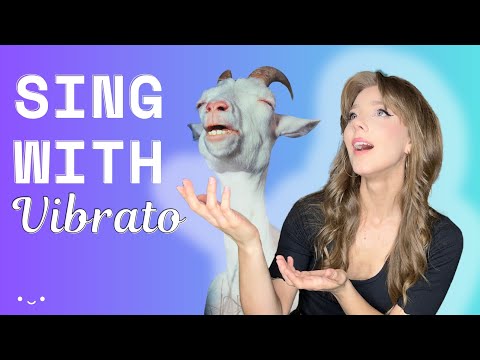
Vibrato is a musical effect where a musician intentionally varies the pitch of a note, creating a wavering or trembling sound. This technique has been used across various genres, from classical music to rock and pop, to convey emotion and add expression to a performance. With a vibe rating of 8, vibrato is a widely recognized and admired aspect of music, with a controversy spectrum of 2, as some critics argue that excessive use of vibrato can be distracting. The concept of vibrato has been influenced by notable musicians such as Enrico Caruso and Maria Callas, who are known for their expressive and emotive use of the technique. As music continues to evolve, the use of vibrato is likely to remain a key element in creating unique and captivating sounds. The future of vibrato may involve new technologies that enable more precise control over pitch variation, allowing musicians to push the boundaries of this expressive technique even further.
🎵 Introduction to Vibrato
Vibrato is a powerful tool in music, allowing artists to convey emotion and add depth to their performances. It is a musical effect consisting of a regular, pulsating change of pitch, used to add expression to vocal and instrumental music. Vibrato is typically characterized in terms of two factors: the amount of pitch variation and the speed with which the pitch is varied. For example, a singer may use a wide vibrato to convey a sense of drama or passion, while a violinist may use a narrower vibrato to create a more subtle, expressive sound. To learn more about the basics of music theory, visit our Music Theory page.
📍 History of Vibrato
The history of vibrato dates back to the early days of music, with evidence of its use found in ancient Greek and Roman music. However, it wasn't until the Baroque period that vibrato became a standard technique in Western classical music. Composers such as Claudio Monteverdi and Heinrich Schutz wrote music that featured extensive use of vibrato, and the technique has been passed down through generations of musicians. For more information on the history of music, visit our History of Music page.
🎶 Types of Vibrato
There are several types of vibrato, each with its own unique characteristics. Singers may use a wide vibrato to convey emotion, while string instrumentalists may use a narrower vibrato to create a more subtle sound. Woodwind instrumentalists may use a vibrato that is more similar to a singer's, with a wider range of pitch variation. To learn more about the different types of instruments, visit our Musical Instruments page.
📊 Characteristics of Vibrato
The characteristics of vibrato can be measured in terms of the amount of pitch variation and the speed with which the pitch is varied. A wide vibrato may have a pitch variation of several semitones, while a narrow vibrato may have a pitch variation of only a few cents. The speed of the vibrato can also vary, with some vibratos being very slow and others being very fast. For example, a singer may use a slow vibrato to create a sense of longing, while a violinist may use a fast vibrato to create a sense of excitement. To learn more about the science behind music, visit our Acoustics page.
👂 Comparison with Other Musical Effects
Vibrato is often compared to other musical effects, such as tremolo and glissando. While these effects can create similar sounds, they are distinct from vibrato and are used in different contexts. Tremolo, for example, is a rapid repetition of a single pitch, while glissando is a smooth slide between two pitches. To learn more about the different musical effects, visit our Musical Effects page.
💡 Practical Tips for Musicians
For musicians looking to incorporate vibrato into their performances, there are several practical tips to keep in mind. First, it's essential to practice vibrato in a slow and controlled manner, gradually increasing the speed and range of the vibrato as you become more comfortable. It's also important to listen to recordings of other musicians who use vibrato effectively, such as Maria Callas or Jimi Hendrix. To learn more about the art of practicing music, visit our Music Practice page.
🎧 Recording and Producing Vibrato
When recording and producing music that features vibrato, there are several things to consider. First, it's essential to use high-quality recording equipment that can capture the subtleties of the vibrato. It's also important to work with a producer who understands the importance of vibrato and can help you achieve the desired sound. For example, a producer may use audio processing techniques such as EQ and compression to enhance the vibrato. To learn more about the art of music production, visit our Music Production page.
🤔 Common Challenges and Solutions
One common challenge that musicians face when using vibrato is maintaining a consistent pitch. This can be especially difficult for singers, who must balance the need for expression with the need for accuracy. To overcome this challenge, it's essential to practice regularly and to work with a vocal coach who can help you develop a strong, consistent tone. For example, a singer may practice singing exercises such as vocal scales and arpeggios to improve their pitch accuracy. To learn more about the art of singing, visit our Singing page.
📚 Learning Resources and References
For musicians looking to learn more about vibrato, there are several resources available. The Vibepedia website offers a wealth of information on music theory and history, including articles on vibrato and other musical effects. There are also many books and online courses available that can provide more in-depth instruction on the use of vibrato. For example, a musician may take an online course on music theory or music history to learn more about the context and history of vibrato. To learn more about the resources available, visit our Music Education page.
🎤 Conclusion and Next Steps
In conclusion, vibrato is a powerful tool in music that can add expression and depth to performances. By understanding the history and characteristics of vibrato, musicians can use this effect to create a wide range of emotions and moods. Whether you're a singer, instrumentalist, or producer, vibrato is an essential part of the musical landscape. To get started with using vibrato in your music, visit our Music Theory page and start exploring the many resources available.
Key Facts
- Year
- 1600
- Origin
- Italy
- Category
- Music Theory
- Type
- Musical Concept
Frequently Asked Questions
What is vibrato?
Vibrato is a musical effect consisting of a regular, pulsating change of pitch. It is used to add expression to vocal and instrumental music. Vibrato is typically characterized in terms of two factors: the amount of pitch variation and the speed with which the pitch is varied. For example, a singer may use a wide vibrato to convey a sense of drama or passion, while a violinist may use a narrower vibrato to create a more subtle, expressive sound.
How do I practice vibrato?
To practice vibrato, start by practicing a slow and controlled vibrato, gradually increasing the speed and range of the vibrato as you become more comfortable. It's also important to listen to recordings of other musicians who use vibrato effectively, such as Maria Callas or Jimi Hendrix. You can also practice singing exercises such as vocal scales and arpeggios to improve your pitch accuracy.
What are the different types of vibrato?
There are several types of vibrato, each with its own unique characteristics. Singers may use a wide vibrato to convey emotion, while string instrumentalists may use a narrower vibrato to create a more subtle sound. Woodwind instrumentalists may use a vibrato that is more similar to a singer's, with a wider range of pitch variation.
How do I record and produce music that features vibrato?
When recording and producing music that features vibrato, it's essential to use high-quality recording equipment that can capture the subtleties of the vibrato. It's also important to work with a producer who understands the importance of vibrato and can help you achieve the desired sound. For example, a producer may use audio processing techniques such as EQ and compression to enhance the vibrato.
What are some common challenges when using vibrato?
One common challenge that musicians face when using vibrato is maintaining a consistent pitch. This can be especially difficult for singers, who must balance the need for expression with the need for accuracy. To overcome this challenge, it's essential to practice regularly and to work with a vocal coach who can help you develop a strong, consistent tone.
What are some resources available to learn more about vibrato?
There are several resources available to learn more about vibrato, including the Vibepedia website, which offers a wealth of information on music theory and history. There are also many books and online courses available that can provide more in-depth instruction on the use of vibrato. For example, a musician may take an online course on music theory or music history to learn more about the context and history of vibrato.
How can I use vibrato in my music?
Vibrato can be used in a wide range of musical contexts, from classical music to rock and pop. To get started with using vibrato in your music, start by practicing a slow and controlled vibrato, and then experiment with different types of vibrato and different musical styles. You can also listen to recordings of other musicians who use vibrato effectively and try to incorporate their techniques into your own music.