
Contents
Overview
The Viking 2 mission, launched on September 9, 1975, was a pivotal moment in the exploration of Mars, following closely on the heels of its twin, Viking 1. Both spacecraft were designed to study the Martian surface and search for signs of life, with Viking 2 landing on September 3, 1976, in the Utopia Planitia region. The mission was a groundbreaking achievement, providing the first detailed images of the Martian surface and conducting extensive geological and biological experiments. The Viking 2 lander operated until April 11, 1980, when it lost power due to a battery failure. Despite the challenges and controversies surrounding the interpretation of its findings, the Viking 2 mission significantly advanced our understanding of Mars and paved the way for future missions. With a vibe rating of 8, Viking 2 represents a crucial chapter in the story of space exploration, influencing subsequent missions and sparking ongoing debates about the possibility of life on Mars.
🚀 Introduction to Viking 2
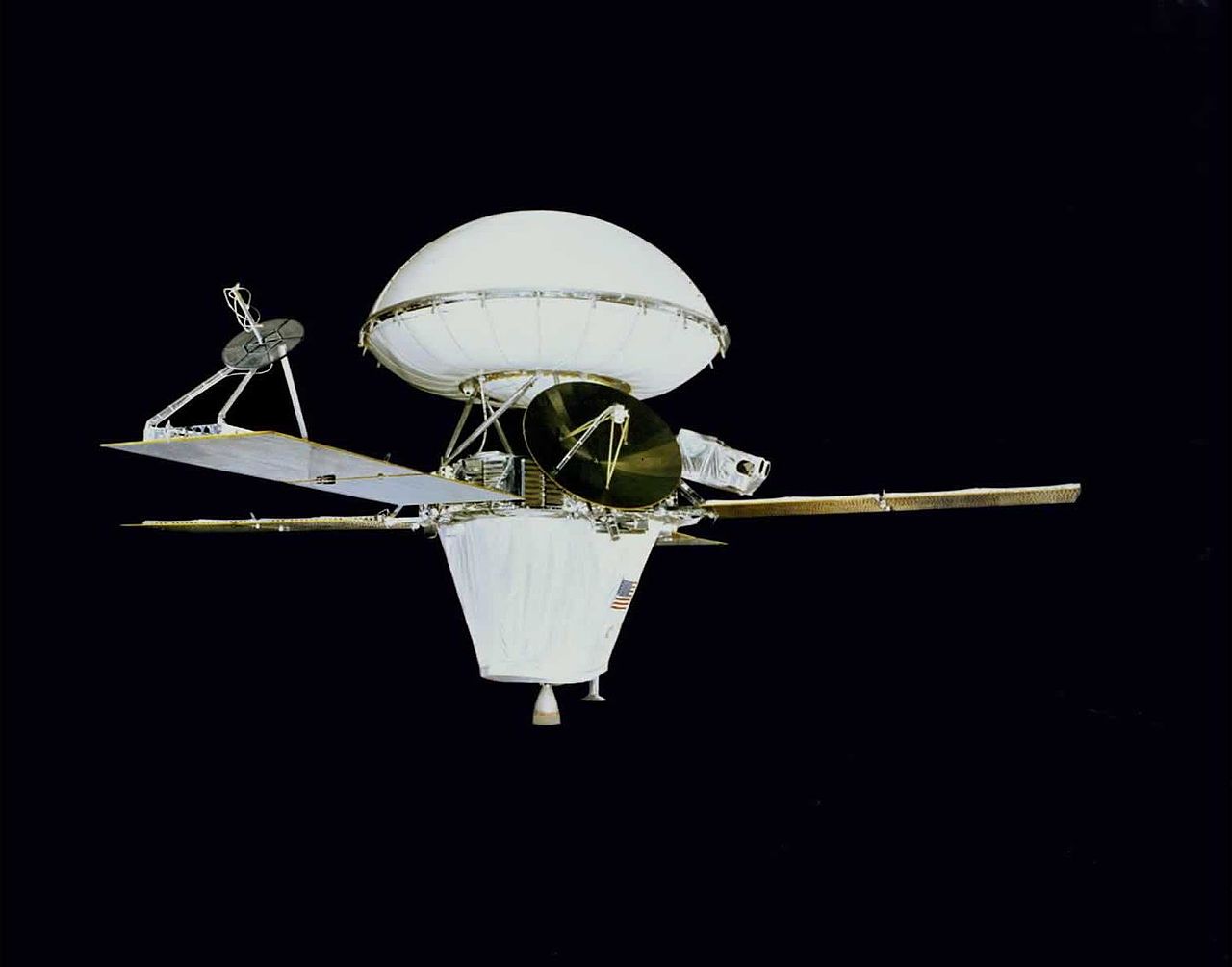
The Viking 2 mission was a pivotal part of the American Viking program to Mars, consisting of an orbiter and a lander that were essentially identical to those of the Viking 1 mission. Launched on September 9, 1975, Viking 2 was designed to study the Martian surface and atmosphere, with a focus on searching for signs of life. The mission was a collaboration between NASA and several other organizations, including the Jet Propulsion Laboratory. Viking 2 was operational on Mars for 1281 sols, providing a wealth of information about the Martian environment. For more information on the Viking program, visit the Viking program page.
📍 Mission Overview
The Viking 2 mission was part of a larger effort to explore Mars and understand its geology, climate, and potential for life. The mission consisted of two main components: an orbiter and a lander. The orbiter was designed to study the Martian atmosphere and geology from orbit, while the lander was designed to touch down on the surface and conduct experiments. The Viking 2 lander was equipped with a range of instruments, including a seismometer and a gas chromatograph. The lander was also equipped with a camera system, which returned stunning images of the Martian surface. For more information on the instruments used on the Viking 2 mission, visit the Viking 2 instruments page.
🛰️ Orbiter Details
The Viking 2 orbiter was a critical component of the mission, providing a wealth of information about the Martian atmosphere and geology. The orbiter was equipped with a range of instruments, including a television camera and an infrared thermoscope. The orbiter returned almost 16,000 images of Mars during its 706 orbits around the planet. The images provided valuable information about the Martian geology, including the presence of volcanoes and canyons. For more information on the orbiter's instruments, visit the Viking 2 orbiter instruments page. The Viking 2 orbiter also played a crucial role in communication with the lander, relaying data back to Earth.
🛸 Lander Details
The Viking 2 lander was a remarkable achievement, operating on the surface of Mars for 1,316 days, or 1281 sols. The lander was equipped with a range of instruments, including a biology experiment designed to search for signs of life. The lander also included a meteorology package to study the Martian weather. The lander's camera system returned stunning images of the Martian surface, including the famous Martian sunrise. For more information on the lander's instruments, visit the Viking 2 lander instruments page. The Viking 2 lander was turned off on April 12, 1980, when its batteries eventually failed.
📸 Imaging and Data Collection
The Viking 2 mission returned a vast amount of data and images, providing valuable insights into the Martian environment. The orbiter returned almost 16,000 images of Mars, while the lander returned hundreds of images of the Martian surface. The images and data provided by the Viking 2 mission have been used to study the Martian geology, atmosphere, and potential for life. The mission also provided valuable information about the Martian weather patterns and the geology of the planet. For more information on the mission's findings, visit the Viking 2 findings page. The Viking 2 mission has also been used as a reference point for later Mars missions, including the Curiosity Rover.
📊 Operational Timeline
The Viking 2 mission was operational for several years, with the orbiter working until July 25, 1978, and the lander operating until April 12, 1980. During this time, the mission returned a vast amount of data and images, providing valuable insights into the Martian environment. The mission was a major achievement, demonstrating the feasibility of sending a spacecraft to Mars and returning data from the surface. The Viking 2 mission paved the way for later Mars missions, including the Mars Pathfinder and the Mars Exploration Rover. For more information on the mission's timeline, visit the Viking 2 timeline page.
💻 Comparison with Viking 1
The Viking 2 mission was similar to the Viking 1 mission, with both missions consisting of an orbiter and a lander. However, the Viking 2 mission was launched several weeks after the Viking 1 mission, and the lander touched down on the opposite side of Mars. The Viking 2 lander was also equipped with a slightly different set of instruments, including a seismometer and a gas chromatograph. The Viking 2 mission provided a more detailed understanding of the Martian environment, and the data returned by the mission has been used to study the Martian geology and atmosphere. For more information on the differences between the Viking 1 and Viking 2 missions, visit the Viking 1 vs Viking 2 page.
🤔 Key Takeaways and Legacy
The Viking 2 mission was a groundbreaking achievement, providing a wealth of information about the Martian environment. The mission demonstrated the feasibility of sending a spacecraft to Mars and returning data from the surface. The Viking 2 mission also paved the way for later Mars missions, including the Curiosity Rover. The mission's findings have been used to study the Martian geology, atmosphere, and potential for life. For more information on the mission's legacy, visit the Viking 2 legacy page. The Viking 2 mission is an important part of the history of Mars exploration.
📊 Topic Intelligence and Statistics
The Viking 2 mission was a complex and ambitious project, involving several organizations and instruments. The mission was a major achievement, demonstrating the feasibility of sending a spacecraft to Mars and returning data from the surface. The Viking 2 mission provided a wealth of information about the Martian environment, and the data returned by the mission has been used to study the Martian geology, atmosphere, and potential for life. For more information on the mission's statistics and findings, visit the Viking 2 statistics page. The Viking 2 mission is an important part of the history of space exploration.
Key Facts
- Year
- 1975
- Origin
- United States
- Category
- Space Exploration
- Type
- Spacecraft
Frequently Asked Questions
What was the primary goal of the Viking 2 mission?
The primary goal of the Viking 2 mission was to study the Martian surface and atmosphere, with a focus on searching for signs of life. The mission was designed to provide a wealth of information about the Martian environment, including the geology, climate, and potential for life. The Viking 2 mission was part of a larger effort to explore Mars and understand its geology, climate, and potential for life. For more information on the mission's goals, visit the Viking 2 goals page.
How long was the Viking 2 lander operational on the surface of Mars?
The Viking 2 lander was operational on the surface of Mars for 1,316 days, or 1281 sols. The lander was turned off on April 12, 1980, when its batteries eventually failed. The Viking 2 lander was a remarkable achievement, providing a wealth of information about the Martian environment. For more information on the lander's operational timeline, visit the Viking 2 lander timeline page.
What instruments were on board the Viking 2 lander?
The Viking 2 lander was equipped with a range of instruments, including a seismometer, a gas chromatograph, and a biology experiment. The lander also included a meteorology package to study the Martian weather. The Viking 2 lander's camera system returned stunning images of the Martian surface. For more information on the lander's instruments, visit the Viking 2 lander instruments page.
How many images did the Viking 2 orbiter return during its mission?
The Viking 2 orbiter returned almost 16,000 images of Mars during its 706 orbits around the planet. The images provided valuable information about the Martian geology, including the presence of volcanoes and canyons. The Viking 2 orbiter's television camera and infrared thermoscope provided a wealth of information about the Martian atmosphere and geology. For more information on the orbiter's instruments, visit the Viking 2 orbiter instruments page.
What was the significance of the Viking 2 mission?
The Viking 2 mission was a groundbreaking achievement, providing a wealth of information about the Martian environment. The mission demonstrated the feasibility of sending a spacecraft to Mars and returning data from the surface. The Viking 2 mission also paved the way for later Mars missions, including the Curiosity Rover. The mission's findings have been used to study the Martian geology, atmosphere, and potential for life. For more information on the mission's significance, visit the Viking 2 significance page.
How does the Viking 2 mission relate to other Mars missions?
The Viking 2 mission was part of a larger effort to explore Mars and understand its geology, climate, and potential for life. The mission was followed by several other Mars missions, including the Mars Global Surveyor and the Mars Odyssey. The Viking 2 mission provided a foundation for later Mars missions, and the data returned by the mission has been used to study the Martian environment. For more information on related missions and programs, visit the Mars exploration program page.
What are some of the key findings from the Viking 2 mission?
The Viking 2 mission provided a wealth of information about the Martian environment, including the geology, atmosphere, and potential for life. The mission's findings have been used to study the Martian geology, atmosphere, and potential for life. Some of the key findings from the Viking 2 mission include the presence of volcanoes and canyons on Mars, as well as the discovery of water on the Martian surface. For more information on the mission's findings, visit the Viking 2 findings page.