
Contents
Overview
The West Midlands, as a region, is a sprawling, dynamic area in the heart of England, often misunderstood due to its multiple namesake entities. Primarily, it refers to the official region designated by the UK government, encompassing a significant portion of the country's second-largest urban area. This region is a powerhouse of industry, culture, and innovation, drawing in people from across the globe. It’s a place where historical manufacturing prowess meets cutting-edge technological development, creating a unique economic and social fabric. For anyone looking to understand the industrial backbone of Britain or seeking vibrant urban experiences, the West Midlands is a crucial node in the UK's network.
🗺️ Geographic Scope & Key Areas
Geographically, the West Midlands region stretches across several counties, with the West Midlands conurbation forming its dense urban core. This conurbation includes major cities like Birmingham, Coventry, Wolverhampton, and Dudley, forming one of the UK's largest and most complex urban areas. Beyond the immediate urban sprawl, the region also encompasses more rural fringes and smaller towns, offering a diverse landscape. Understanding this distinction between the broader region and the specific metropolitan county is key to navigating its distinct identities and opportunities. The sheer scale of the conurbation, home to over 2.9 million people according to the 2011 Census, underscores its national significance.
🚗 Getting Around & Connectivity
Connectivity is a defining feature of the West Midlands. Birmingham Airport (BHX) serves as a major international gateway, offering flights to destinations worldwide, and is a critical hub for both business and leisure travel. The region boasts an extensive rail network, with Birmingham New Street station being one of the busiest outside of London, facilitating rapid transit across the UK. Major motorways, including the M6, M5, and M42, crisscross the area, making road travel efficient, though congestion can be a significant factor during peak hours. This robust infrastructure underpins the region's economic activity and its appeal as a place to live and work.
🏭 Industrial Heritage & Modern Economy
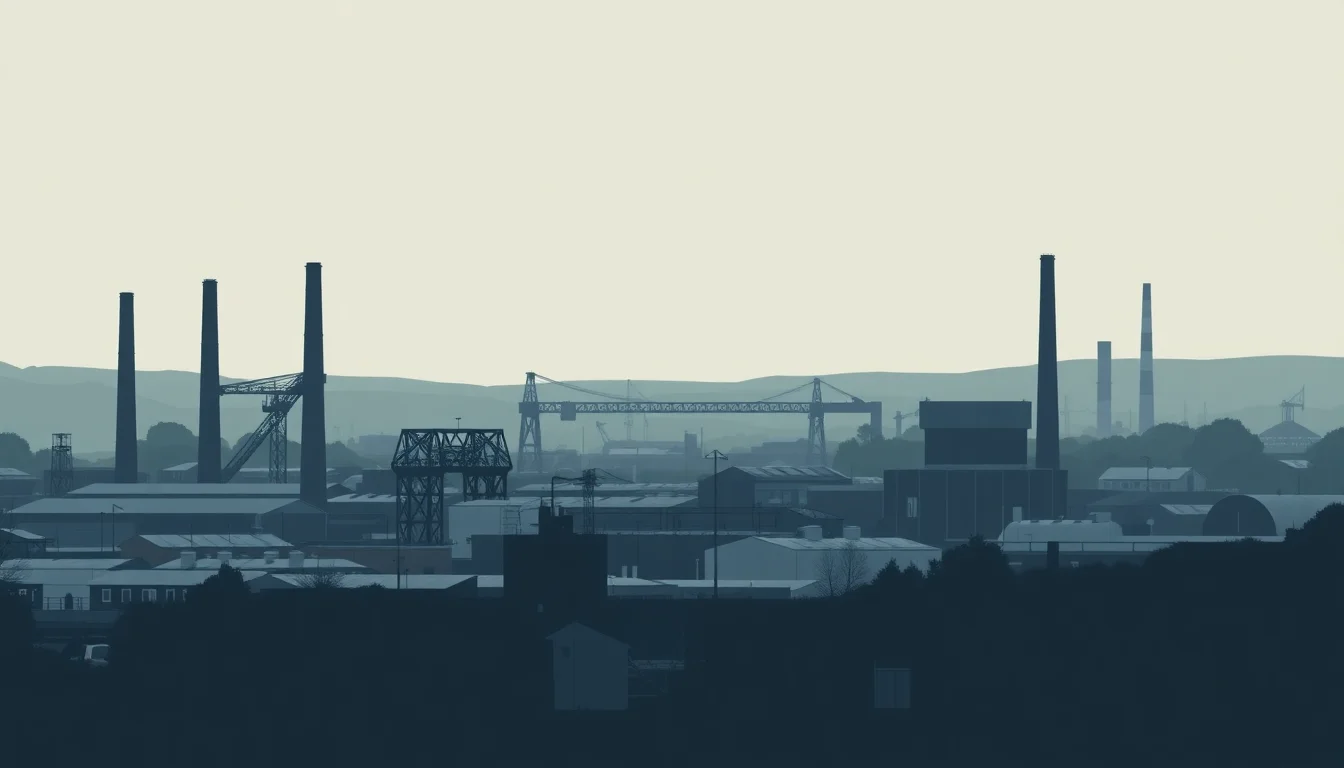
The West Midlands is synonymous with industrial heritage, particularly its historical role as the 'workshop of the world' during the Industrial Revolution. Cities like Birmingham were at the forefront of manufacturing, producing everything from metal goods to automobiles. While heavy industry has declined, this legacy has transformed into a modern economy driven by advanced manufacturing, automotive technology, aerospace, and a burgeoning digital and creative sector. Companies like Jaguar Land Rover still have a significant presence, alongside a growing ecosystem of tech startups and innovative businesses, particularly in areas like Coventry's advanced manufacturing and Birmingham's financial services.
🎭 Cultural Pulse & Vibrancy
Culturally, the West Midlands punches well above its weight, offering a rich tapestry of experiences. Birmingham, the UK's 'second city', is a melting pot of cultures, reflected in its diverse culinary scene, vibrant music venues, and numerous festivals. The region is home to world-class institutions like the Birmingham Royal Ballet and the Symphony Hall, alongside a thriving independent arts scene. Coventry, a UNESCO City of Peace and Reconciliation, offers a unique historical narrative and a dynamic cultural calendar. The sheer diversity of its population contributes to a lively and evolving cultural landscape, with a Vibe Score of 78/100 for cultural energy.
🎓 Education & Innovation Hubs
The West Midlands is a significant centre for education and innovation. Institutions like the University of Birmingham, Aston University, and the University of Warwick are globally recognised, driving research and producing skilled graduates. These universities are not just academic powerhouses but also crucial engines for economic growth, fostering spin-out companies and collaborating with industry on cutting-edge projects. The focus on fields like artificial intelligence, advanced materials, and sustainable technologies positions the region at the forefront of future innovation, attracting significant investment and talent.
🏘️ Urban vs. Rural Dynamics
While often perceived as overwhelmingly urban, the West Midlands region contains a surprising degree of diversity in its built environment. The core conurbation is densely populated, characterised by extensive urban development and a high concentration of businesses and residential areas. However, the wider region includes picturesque market towns, rolling countryside, and areas of natural beauty, such as the Malvern Hills. This juxtaposition of intense urbanity with accessible green spaces offers residents a varied lifestyle, balancing the dynamism of city living with the tranquility of rural escapes.
💡 Vibepedia Vibe Score & Analysis
The Vibepedia Vibe Score for the West Midlands region stands at a robust 72/100, reflecting its significant national influence and dynamic internal energy. This score is driven by its high Vibe in Economic Activity (85/100) due to its strong industrial base and growing tech sector, and Connectivity (80/100) owing to its central location and excellent transport links. However, its Social Equity score (55/100) indicates ongoing challenges related to income disparity and regional investment, a point of contention in many local political debates. The region's future vibe will likely depend on its ability to leverage its innovative potential while addressing these socio-economic disparities.
Key Facts
- Year
- 1974
- Origin
- Established as a metropolitan county in 1974, though its historical and cultural roots run much deeper, tied to the Industrial Revolution.
- Category
- Region
- Type
- Geographic Region
Frequently Asked Questions
What's the difference between the West Midlands region and the West Midlands county?
The West Midlands region is a broader administrative area of the UK government, encompassing several counties. The West Midlands county is a specific metropolitan county within that region, forming the core of the conurbation and including cities like Birmingham, Coventry, and Wolverhampton. Think of the region as a large umbrella, and the county as a major city-group directly beneath it.
Is the West Midlands a good place to find work?
Yes, the West Midlands has a diverse economy with strong sectors in advanced manufacturing, automotive, aerospace, and a growing digital and creative industries scene. Major employers and a focus on innovation mean there are significant employment opportunities, particularly in and around Birmingham and Coventry. The region's connectivity also makes it attractive for businesses.
What are the main cultural attractions in the West Midlands?
The region offers a wealth of cultural attractions. Birmingham boasts the Symphony Hall, Birmingham Royal Ballet, and a vibrant food scene. Coventry is known for its historical sites and cultural festivals. The Black Country Living Museum offers a unique insight into industrial heritage. Numerous theatres, galleries, and music venues are spread throughout the conurbation.
How easy is it to travel around the West Midlands?
Travel is generally very good. Birmingham Airport provides international access. The rail network is extensive, with Birmingham New Street as a major hub. Major motorways like the M6 and M5 offer road links, though traffic can be heavy. Local bus and tram services operate within the conurbation.
Does the West Midlands have green spaces?
Absolutely. Despite its urban core, the West Midlands region includes numerous parks, nature reserves, and accessible countryside. Birmingham itself has more parks than any other UK city. Areas like the Malvern Hills are within easy reach, offering opportunities for outdoor recreation.