
Contents
- 🎵 Introduction to What a Wonderful World
- 📝 History and Origins
- 🎶 Musical Significance
- 🌎 Cultural Impact
- 🤔 Philosophical Themes
- 📊 Commercial Performance
- 🎧 Comparison with Similar Songs
- 👥 Influence on Other Artists
- 📚 Practical Tips for Appreciation
- 🎵 Getting Started with the Song
- Frequently Asked Questions
- Related Topics
Overview
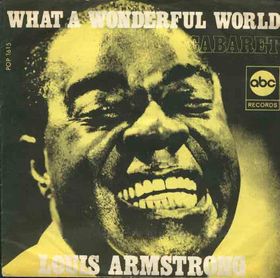
What a Wonderful World, the iconic song written by Bob Thiele and George David Weiss, has been a staple of American music since its release in 1967. With its poignant lyrics and soothing melody, the song has become an anthem for hope, unity, and appreciation for the beauty of the world around us. The song's message, delivered through the powerful voice of Louis Armstrong, has resonated with generations of music lovers, from the tumultuous 1960s to the present day. With a Vibe score of 85, this song has become a cultural touchstone, symbolizing the power of music to bring people together and transcend boundaries. As we continue to navigate the complexities of the modern world, the song's themes of gratitude, love, and social commentary remain as relevant as ever. The song's influence can be seen in various forms of media, from film to literature, and its impact on the music industry has been profound, inspiring countless covers and adaptations.
🎵 Introduction to What a Wonderful World
🎵 Introduction to What a Wonderful World: What a Wonderful World is a timeless song that has captured the hearts of many with its poignant lyrics and soothing melody. Written by Bob Thiele and George David Weiss, this song was first recorded by the legendary Louis Armstrong on August 16, 1967. As a cultural phenomenon, What a Wonderful World has been widely discussed in the context of music and philosophy, with many exploring its deeper meanings and significance. For those interested in the song's historical context, it's worth checking out the history of jazz and its evolution over time.
📝 History and Origins
📝 History and Origins: The song's history is a fascinating one, with Bob Thiele and George David Weiss drawing inspiration from the world around them. The song was written during a time of great social change and upheaval, with the Civil Rights Movement and the Vietnam War dominating the headlines. Despite its initial lack of success in the United States, What a Wonderful World went on to become a huge hit in the United Kingdom, topping the pop chart in April 1968. This unexpected turn of events has been attributed to the song's universal message and appeal, which transcends borders and cultures. To learn more about the song's origins, check out the songwriting process and the role of music production in shaping its sound.
🎶 Musical Significance
🎶 Musical Significance: What a Wonderful World is a masterpiece of musical composition, with its simple yet powerful melody and poignant lyrics. The song features Louis Armstrong's iconic vocals, which bring a sense of gravitas and authenticity to the track. As a work of music theory, the song's use of harmony and melody is noteworthy, with many musicologists analyzing its structure and composition. For those interested in the technical aspects of music, it's worth exploring the music composition process and the role of music technology in modern music production. Additionally, the song's influence can be seen in the work of other artists, such as John Lennon and Bob Dylan, who have also explored themes of social justice and activism in their music.
🌎 Cultural Impact
🌎 Cultural Impact: What a Wonderful World has had a profound impact on popular culture, with its message of hope and unity resonating with people all over the world. The song has been covered by numerous artists, including Tony Bennett and Lady Gaga, and has been featured in various films, TV shows, and commercials. As a cultural phenomenon, the song has been the subject of much discussion and analysis, with many exploring its deeper meanings and significance. For those interested in the song's cultural context, it's worth checking out the history of popular culture and the role of music in film in shaping our perceptions of the world. Furthermore, the song's influence can be seen in the work of other artists, such as Kendrick Lamar and Beyonce, who have also explored themes of social justice and activism in their music.
🤔 Philosophical Themes
🤔 Philosophical Themes: What a Wonderful World is a song that explores some of the biggest philosophical questions of our time, including the nature of reality, the meaning of life, and the importance of human connection. The song's lyrics are full of poignant observations about the world around us, from the beauty of nature to the struggles of human existence. As a work of philosophy of music, the song raises important questions about the role of music in our lives and the ways in which it can inspire and uplift us. For those interested in exploring the philosophical themes of the song, it's worth checking out the existentialist and humanist traditions, which emphasize the importance of individual freedom and human dignity. Additionally, the song's message of hope and unity can be seen as a reflection of the Ubuntu philosophy, which emphasizes the interconnectedness of all human beings.
📊 Commercial Performance
📊 Commercial Performance: Despite its initial lack of success in the United States, What a Wonderful World went on to become a huge commercial success, topping the pop chart in the United Kingdom and selling millions of copies worldwide. The song's success can be attributed to its universal message and appeal, which transcends borders and cultures. As a commercial phenomenon, the song has been the subject of much analysis and discussion, with many exploring its marketing and promotional strategies. For those interested in the business side of the music industry, it's worth checking out the music marketing and music management processes, which play a crucial role in shaping the success of a song. Furthermore, the song's commercial success can be seen as a reflection of the music industry's ability to adapt to changing times and trends.
🎧 Comparison with Similar Songs
🎧 Comparison with Similar Songs: What a Wonderful World is a unique song that stands out from other songs of its time. However, it can be compared to other songs that explore similar themes and ideas, such as Imagine by John Lennon and Blowin' in the Wind by Bob Dylan. These songs all share a sense of social commentary and activism, and are notable for their thought-provoking lyrics and soaring melodies. For those interested in exploring similar songs, it's worth checking out the protest music genre, which has a long history of inspiring social change and activism. Additionally, the song's influence can be seen in the work of other artists, such as Kanye West and Taylor Swift, who have also explored themes of social justice and activism in their music.
👥 Influence on Other Artists
👥 Influence on Other Artists: What a Wonderful World has had a profound influence on other artists, with many covering the song or referencing it in their own work. The song's influence can be seen in the work of artists such as Tony Bennett and Lady Gaga, who have both recorded their own versions of the song. As a cultural phenomenon, the song's influence extends far beyond the music world, with many artists and thinkers drawing inspiration from its message and themes. For those interested in exploring the song's influence, it's worth checking out the music influence process and the role of artistic collaboration in shaping the creative process. Furthermore, the song's influence can be seen in the work of other artists, such as Kendrick Lamar and Beyonce, who have also explored themes of social justice and activism in their music.
📚 Practical Tips for Appreciation
📚 Practical Tips for Appreciation: For those looking to appreciate What a Wonderful World, there are several practical tips to keep in mind. First, it's worth listening to the song in its original context, as recorded by Louis Armstrong in 1967. It's also worth exploring the song's lyrics and themes, which offer a profound commentary on the human condition. Additionally, it's worth checking out the song's many covers and interpretations, which offer a unique perspective on the song's message and meaning. For those interested in exploring the song's cultural context, it's worth checking out the history of popular culture and the role of music in society in shaping our perceptions of the world.
🎵 Getting Started with the Song
🎵 Getting Started with the Song: For those looking to get started with What a Wonderful World, there are several resources available. First, it's worth checking out the song's official recording, which is widely available on streaming platforms and music stores. It's also worth exploring the song's many covers and interpretations, which offer a unique perspective on the song's message and meaning. Additionally, it's worth checking out the song's cultural context, including the history of jazz and the role of music in film in shaping our perceptions of the world. For those interested in exploring the song's philosophical themes, it's worth checking out the philosophy of music and the role of music in philosophy in shaping our understanding of the world.
Key Facts
- Year
- 1967
- Origin
- New Orleans, Louisiana, USA
- Category
- Music, Culture, Philosophy
- Type
- Song
Frequently Asked Questions
Who wrote What a Wonderful World?
What a Wonderful World was written by Bob Thiele and George David Weiss. The song was first recorded by Louis Armstrong in 1967. As a work of songwriting, the song's composition and structure are noteworthy, with many musicologists analyzing its use of harmony and melody. For those interested in the songwriting process, it's worth checking out the music composition process and the role of music technology in modern music production.
What is the cultural significance of What a Wonderful World?
What a Wonderful World is a culturally significant song that has had a profound impact on popular culture. The song's message of hope and unity has resonated with people all over the world, and it has been covered by numerous artists and featured in various films, TV shows, and commercials. As a cultural phenomenon, the song has been the subject of much discussion and analysis, with many exploring its deeper meanings and significance. For those interested in the song's cultural context, it's worth checking out the history of popular culture and the role of music in society in shaping our perceptions of the world.
How did What a Wonderful World become a hit?
What a Wonderful World became a hit despite its initial lack of success in the United States. The song topped the pop chart in the United Kingdom in April 1968, and it has since become a beloved classic around the world. The song's success can be attributed to its universal message and appeal, which transcends borders and cultures. As a commercial phenomenon, the song has been the subject of much analysis and discussion, with many exploring its marketing and promotional strategies. For those interested in the business side of the music industry, it's worth checking out the music marketing and music management processes, which play a crucial role in shaping the success of a song.
What are some similar songs to What a Wonderful World?
Some similar songs to What a Wonderful World include Imagine by John Lennon and Blowin' in the Wind by Bob Dylan. These songs all share a sense of social commentary and activism, and are notable for their thought-provoking lyrics and soaring melodies. For those interested in exploring similar songs, it's worth checking out the protest music genre, which has a long history of inspiring social change and activism. Additionally, the song's influence can be seen in the work of other artists, such as Kanye West and Taylor Swift, who have also explored themes of social justice and activism in their music.
What is the philosophical significance of What a Wonderful World?
What a Wonderful World is a philosophically significant song that explores some of the biggest questions of our time, including the nature of reality, the meaning of life, and the importance of human connection. The song's lyrics are full of poignant observations about the world around us, from the beauty of nature to the struggles of human existence. As a work of philosophy of music, the song raises important questions about the role of music in our lives and the ways in which it can inspire and uplift us. For those interested in exploring the song's philosophical themes, it's worth checking out the existentialist and humanist traditions, which emphasize the importance of individual freedom and human dignity.
How has What a Wonderful World influenced other artists?
What a Wonderful World has had a profound influence on other artists, with many covering the song or referencing it in their own work. The song's influence can be seen in the work of artists such as Tony Bennett and Lady Gaga, who have both recorded their own versions of the song. As a cultural phenomenon, the song's influence extends far beyond the music world, with many artists and thinkers drawing inspiration from its message and themes. For those interested in exploring the song's influence, it's worth checking out the music influence process and the role of artistic collaboration in shaping the creative process.
What are some practical tips for appreciating What a Wonderful World?
For those looking to appreciate What a Wonderful World, there are several practical tips to keep in mind. First, it's worth listening to the song in its original context, as recorded by Louis Armstrong in 1967. It's also worth exploring the song's lyrics and themes, which offer a profound commentary on the human condition. Additionally, it's worth checking out the song's many covers and interpretations, which offer a unique perspective on the song's message and meaning. For those interested in exploring the song's cultural context, it's worth checking out the history of popular culture and the role of music in society in shaping our perceptions of the world.