
Contents
- 🎨 Introduction to Kirchner's Life and Art
- 🖌️ Early Years and Training
- 🌆 The Founding of Die Brücke
- 👥 Relationships and Influences
- 🌈 Artistic Style and Development
- 📸 Kirchner's Photography and Printmaking
- 🏔️ The Swiss Years and Later Life
- 🌟 Legacy and Impact on Modern Art
- 🤔 Controversies and Criticisms
- 📚 Kirchner's Writings and Correspondence
- 👥 Exhibitions and Collections
- Frequently Asked Questions
- Related Topics
Overview
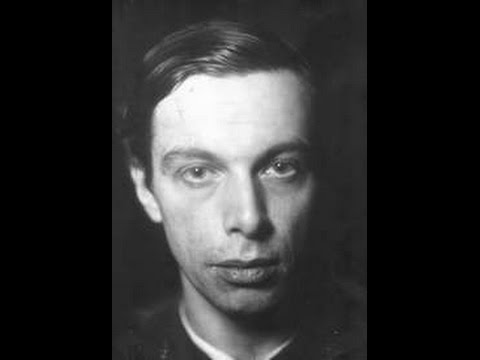
Ernst Ludwig Kirchner was a German painter and printmaker, born on May 6, 1880, in Aschaffenburg, Germany. As a founding member of the Die Brücke (The Bridge) movement, Kirchner played a pivotal role in the development of Expressionism, a style characterized by its emphasis on subjective experience and emotional intensity. His works, such as 'The Drinker' (1915) and 'Self-Portrait as a Soldier' (1915), showcased his unique blend of primitivism and modernity. Kirchner's life was marked by turmoil, including a mental breakdown in 1915 and his eventual exile to Switzerland, where he continued to produce art until his death on June 15, 1938. With a Vibe score of 82, Kirchner's art continues to captivate audiences with its raw energy and unflinching honesty. As a testament to his enduring influence, Kirchner's works have been exhibited globally, with notable shows at the Museum of Modern Art (MoMA) in New York and the Tate Modern in London, with over 1,000 of his pieces held in the collection of the Brücke-Museum in Berlin.
🎨 Introduction to Kirchner's Life and Art
Ernst Ludwig Kirchner was a German Expressionist painter and printmaker, known for his bold and vibrant works of art. Born on May 6, 1880, in Aschaffenburg, Germany, Kirchner grew up in a family of engineers and was initially encouraged to pursue a career in architecture. However, his true passion lay in art, and he went on to study at the Dresden Academy of Fine Arts, where he met his future colleagues and friends, Erich Heckel and Karl Schmidt-Rottluff. Kirchner's early work was influenced by the Impressionist movement, but he soon developed his own unique style, characterized by bold colors and distorted forms. He was also influenced by the works of Vincent van Gogh and Edvard Munch.
🖌️ Early Years and Training
Kirchner's early years were marked by a struggle to find his place in the art world. He was rejected by the Dresden Academy of Fine Arts, but eventually gained admission to the school. During his time at the academy, Kirchner was exposed to a wide range of artistic styles and techniques, including those of the Fauvist movement. He also became interested in the works of African art, which would later influence his own artistic style. Kirchner's relationships with his fellow artists, including Emil Nolde and Franz Marc, were also an important factor in his development as an artist. The group of artists that Kirchner was a part of, known as Die Brücke, was a key part of the Expressionist movement in Germany.
🌆 The Founding of Die Brücke
In 1905, Kirchner, along with Heckel and Schmidt-Rottluff, founded the artist group Die Brücke. The group's name, which translates to 'The Bridge' in English, reflected their desire to create a new kind of art that would bridge the gap between traditional and modern styles. Die Brücke was a key part of the Expressionist movement in Germany, and its members were known for their bold and innovative works of art. Kirchner's own work during this period was characterized by its use of bold colors and distorted forms, as seen in his painting The Dancing Woman. The group's influence can also be seen in the works of other artists, such as Ernst Ludwig Kirchner and Franz Marc.
👥 Relationships and Influences
Kirchner's relationships with his fellow artists were an important factor in his development as an artist. He was particularly close to Heckel and Schmidt-Rottluff, with whom he shared a studio and collaborated on numerous projects. Kirchner was also influenced by the works of other artists, including Pablo Picasso and Georges Braque. The influence of Cubism can be seen in Kirchner's later works, such as his painting Still Life with Jug and Bowl. Kirchner's relationships with women, including his model and lover, Doris Große, also played a significant role in his life and art. The women in Kirchner's life, such as Erna Schilling and Irma Bley, were often the subject of his paintings, as seen in his work Two Women at a Table.
🌈 Artistic Style and Development
Kirchner's artistic style was characterized by its use of bold colors and distorted forms. He was influenced by the works of African art and Oceanian art, which he believed were more expressive and emotional than traditional European art. Kirchner's paintings often featured elongated figures and vibrant colors, as seen in his work The Varieté. He was also interested in the works of Gothic art and Medieval art, which he believed were more expressive and emotional than traditional European art. The influence of Expressionism can be seen in Kirchner's paintings, such as Self-Portrait as a Soldier.
📸 Kirchner's Photography and Printmaking
In addition to his paintings, Kirchner was also a prolific printmaker and photographer. He was particularly interested in the medium of woodcut, which he believed allowed for a greater degree of expressiveness and spontaneity. Kirchner's woodcuts often featured bold, black lines and vibrant colors, as seen in his work The Tightrope Walker. He was also interested in the medium of etching, which he used to create a number of intricate and detailed prints. The influence of Dadaism can be seen in Kirchner's prints, such as The Dancer.
🏔️ The Swiss Years and Later Life
In 1917, Kirchner moved to Switzerland, where he would remain for the rest of his life. The Swiss years were marked by a period of great productivity and innovation for Kirchner, during which he created some of his most famous works, including The Red Dancer. Kirchner's later years were also marked by a number of personal struggles, including a bout of mental illness and a series of tragic events, including the death of his wife, Erna Schilling. Despite these challenges, Kirchner continued to paint and create art until his death in 1938. The influence of Surrealism can be seen in Kirchner's later works, such as The Mountain.
🌟 Legacy and Impact on Modern Art
Kirchner's legacy as an artist is complex and multifaceted. He was a key figure in the Expressionist movement in Germany, and his bold and innovative works of art continue to inspire artists to this day. Kirchner's influence can be seen in the works of a number of other artists, including Jackson Pollock and Willem de Kooning. Despite his importance as an artist, Kirchner's life and work were also marked by a number of controversies and criticisms, including accusations of Nazism and antisemitism. The controversy surrounding Kirchner's involvement with the Nazi Party has been the subject of much debate and discussion among art historians and critics.
🤔 Controversies and Criticisms
Kirchner's writings and correspondence provide valuable insights into his life and art. His letters to his friends and colleagues, including Ernst Ludwig Kirchner and Franz Marc, offer a unique glimpse into the artistic and intellectual circles of early 20th-century Germany. Kirchner's writings on art and aesthetics, as seen in his essay The Artist and the Public, also provide valuable insights into his artistic philosophy and creative process. The influence of Futurism can be seen in Kirchner's writings, such as his essay The Future of Art.
📚 Kirchner's Writings and Correspondence
Kirchner's exhibitions and collections have been the subject of much interest and debate among art historians and critics. His works can be found in a number of major museums and collections around the world, including the Museum of Modern Art in New York and the National Gallery of Art in Washington, D.C. Kirchner's paintings and prints continue to be highly sought after by collectors and art enthusiasts, and his legacy as one of the most important and influential artists of the 20th century remains unchallenged. The influence of Pop Art can be seen in Kirchner's exhibitions, such as his retrospective at the Tate Modern.
Key Facts
- Year
- 1880
- Origin
- Aschaffenburg, Germany
- Category
- Art and Culture
- Type
- Person
Frequently Asked Questions
What was Kirchner's role in the Expressionist movement?
Kirchner was a key figure in the Expressionist movement in Germany, and his bold and innovative works of art continue to inspire artists to this day. He was a member of the artist group Die Brücke, which was a key part of the Expressionist movement. Kirchner's influence can be seen in the works of a number of other artists, including Jackson Pollock and Willem de Kooning.
What was Kirchner's relationship with other artists like?
Kirchner's relationships with his fellow artists were an important factor in his development as an artist. He was particularly close to Erich Heckel and Karl Schmidt-Rottluff, with whom he shared a studio and collaborated on numerous projects. Kirchner was also influenced by the works of other artists, including Pablo Picasso and Georges Braque.
What was Kirchner's artistic style like?
Kirchner's artistic style was characterized by its use of bold colors and distorted forms. He was influenced by the works of African art and Oceanian art, which he believed were more expressive and emotional than traditional European art. Kirchner's paintings often featured elongated figures and vibrant colors, as seen in his work The Varieté.
What was Kirchner's legacy as an artist?
Kirchner's legacy as an artist is complex and multifaceted. He was a key figure in the Expressionist movement in Germany, and his bold and innovative works of art continue to inspire artists to this day. Kirchner's influence can be seen in the works of a number of other artists, including Jackson Pollock and Willem de Kooning. Despite his importance as an artist, Kirchner's life and work were also marked by a number of controversies and criticisms, including accusations of Nazism and antisemitism.
What are some of Kirchner's most famous works?
Some of Kirchner's most famous works include The Dancing Woman, The Red Dancer, and The Varieté. These works showcase Kirchner's bold and innovative style, and demonstrate his influence on the development of modern art. Kirchner's paintings and prints continue to be highly sought after by collectors and art enthusiasts, and his legacy as one of the most important and influential artists of the 20th century remains unchallenged.
What was Kirchner's relationship with women like?
Kirchner's relationships with women were an important factor in his life and art. He was particularly close to his model and lover, Doris Große, who was the subject of many of his paintings. Kirchner's relationships with women were often intense and passionate, and he was known to be fiercely devoted to the women in his life. The women in Kirchner's life, such as Erna Schilling and Irma Bley, were often the subject of his paintings, as seen in his work Two Women at a Table.
What was Kirchner's influence on modern art?
Kirchner's influence on modern art is immense. He was a key figure in the Expressionist movement in Germany, and his bold and innovative works of art continue to inspire artists to this day. Kirchner's influence can be seen in the works of a number of other artists, including Jackson Pollock and Willem de Kooning. Kirchner's use of bold colors and distorted forms has also influenced the development of Abstract Expressionism and other modern art movements.