
Contents
- 🎵 Introduction to Gregorian Chant
- 📍 Historical Development
- 📚 Notation and Composition
- 🎶 Characteristics and Style
- 🕊️ Role in the Roman Catholic Church
- 👥 Influence and Legacy
- 📊 Comparison with Other Sacred Music
- 💡 Tips for Exploring Gregorian Chant
- 📚 Resources and Further Reading
- 🎧 Listening and Performance
- 👫 Community and Events
- Frequently Asked Questions
- Related Topics
Overview
Gregorian chant, named after Pope Gregory I, has its roots in the 8th and 9th centuries, emerging as a central part of the liturgy in the Catholic Church. Characterized by its monophonic melodies, the chant was used to accompany the Mass and the Divine Office, with texts primarily drawn from the Bible and early Christian hymns. The development of Gregorian chant was influenced by earlier Christian music traditions, such as the Ambrosian chant in Milan and the Mozarabic chant in Spain. Despite its evolution over the centuries, Gregorian chant remains a significant part of Catholic tradition and has influenced numerous other musical genres, including classical music and contemporary sacred music. With a vibe score of 8, indicating a high level of cultural energy, Gregorian chant continues to inspire and influence musicians and composers worldwide. Its study and performance are supported by various institutions and communities, ensuring its legacy as a foundational element of Western sacred music.
🎵 Introduction to Gregorian Chant
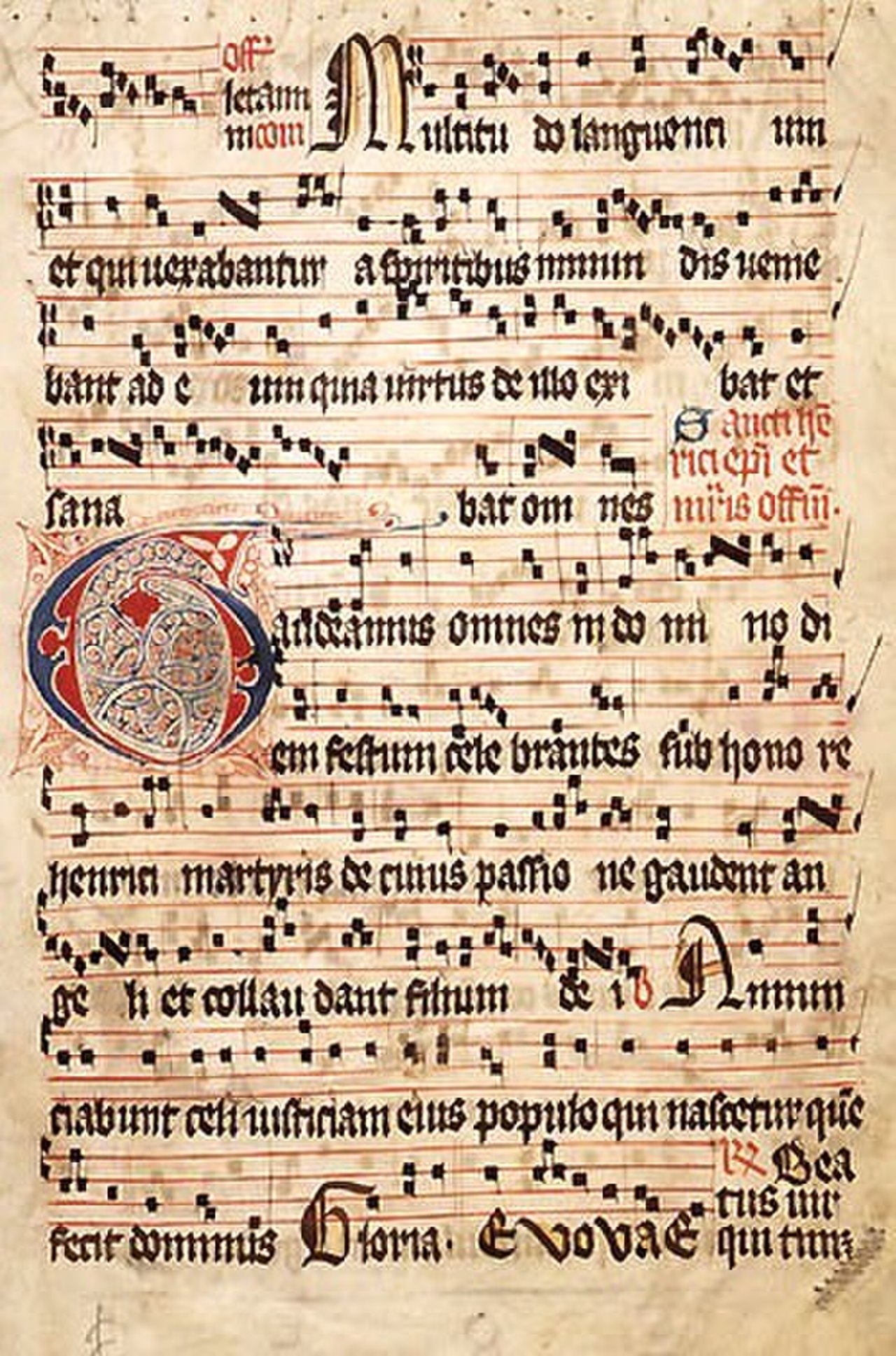
Gregorian chant is the central tradition of Western plainchant, a form of monophonic, unaccompanied sacred song in Latin of the Roman Catholic Church. It is a unique and expressive form of music that has been an integral part of the Church's liturgy for centuries. Gregorian chant is characterized by its use of neumes, a system of notation that indicates the pitch and rhythm of the melody. To learn more about the history and development of Gregorian chant, visit the Schola Cantorum or explore the works of Pope Gregory I.
📍 Historical Development
The historical development of Gregorian chant is a complex and multifaceted topic. While popular legend credits Pope Gregory I with inventing Gregorian chant, scholars believe that he only ordered a compilation of melodies throughout the whole Christian world. This compilation, which was later perfected in the Schola Cantorum, resulted in a synthesis of the Old Roman chant and Gallican chant. To learn more about the history of Gregorian chant, explore the works of Carolingian scholars or visit the Roman Catholic Church's official website.
📚 Notation and Composition
The notation and composition of Gregorian chant are unique and complex. The use of neumes allows for a high degree of expressiveness and nuance, and the melodies are often composed to reflect the natural rhythm and cadence of the Latin text. To learn more about the notation and composition of Gregorian chant, visit the International Society for the Study of Gregorian Chant or explore the works of Gregorian chant composers.
🎶 Characteristics and Style
Gregorian chant is characterized by its use of monophony, or single-line melody, and its lack of accompaniment. The chant is typically sung by a soloist or a small group of singers, and the melody is often decorated with ornaments and other expressive devices. To learn more about the characteristics and style of Gregorian chant, visit the Gregorian Chant Society or explore the works of Gregorian chant scholars.
🕊️ Role in the Roman Catholic Church
Gregorian chant plays a central role in the liturgy of the Roman Catholic Church. The chant is used in a variety of contexts, including the Mass, the Divine Office, and other sacraments and rituals. To learn more about the role of Gregorian chant in the Roman Catholic Church, visit the Vatican's official website or explore the works of Roman Catholic Church scholars.
👥 Influence and Legacy
Gregorian chant has had a profound influence on the development of Western music. The chant's use of modal music and its emphasis on expressiveness and nuance have influenced a wide range of musical genres, from classical music to folk music. To learn more about the influence and legacy of Gregorian chant, visit the Music History section of Vibepedia or explore the works of music historians.
📊 Comparison with Other Sacred Music
Gregorian chant can be compared to other forms of sacred music, such as Byzantine chant and Ambrosian chant. While these forms of music share some similarities with Gregorian chant, they also have some key differences. To learn more about the similarities and differences between these forms of music, visit the Sacred Music section of Vibepedia or explore the works of music scholars.
💡 Tips for Exploring Gregorian Chant
If you're interested in exploring Gregorian chant, there are a few tips to keep in mind. First, start by listening to some recordings of Gregorian chant to get a sense of the style and sound. You can find recordings on websites like YouTube or Spotify. Second, try attending a live performance of Gregorian chant, such as a concert or a church service. Finally, consider taking a class or workshop on Gregorian chant to learn more about the history and technique of the music. To learn more about upcoming events and performances, visit the Gregorian Chant Events page.
📚 Resources and Further Reading
There are many resources available for learning more about Gregorian chant. The International Society for the Study of Gregorian Chant is a great place to start, as it offers a wealth of information on the history, notation, and performance of Gregorian chant. You can also explore the works of Gregorian chant scholars or visit the Roman Catholic Church's official website. To learn more about the latest research and developments in the field, visit the Gregorian Chant Research page.
🎧 Listening and Performance
If you're interested in listening to or performing Gregorian chant, there are a few things to keep in mind. First, try to find a recording or performance that is faithful to the original notation and style of the chant. Second, consider working with a qualified teacher or director who can help you learn the proper technique and interpretation of the music. Finally, be sure to respect the cultural and historical context of the chant, and avoid using it in a way that is insensitive or disrespectful. To learn more about upcoming performances and events, visit the Gregorian Chant Events page.
👫 Community and Events
The Gregorian chant community is a vibrant and diverse group of people who are passionate about the music and its history. To get involved, consider attending a concert or workshop, or joining a local choir or singing group that performs Gregorian chant. You can also connect with other fans and scholars of Gregorian chant through online forums and social media groups, such as the Gregorian Chant Forum. To learn more about upcoming events and performances, visit the Gregorian Chant Events page.
Key Facts
- Year
- 750
- Origin
- Europe, specifically the region that is now modern-day Italy and France
- Category
- Music, History, Religion
- Type
- Musical Genre
Frequently Asked Questions
What is Gregorian chant?
Gregorian chant is a form of monophonic, unaccompanied sacred song in Latin of the Roman Catholic Church. It is characterized by its use of neumes, a system of notation that indicates the pitch and rhythm of the melody. To learn more about Gregorian chant, visit the Gregorian Chant page or explore the works of Gregorian chant scholars.
Who invented Gregorian chant?
While popular legend credits Pope Gregory I with inventing Gregorian chant, scholars believe that he only ordered a compilation of melodies throughout the whole Christian world. This compilation, which was later perfected in the Schola Cantorum, resulted in a synthesis of the Old Roman chant and Gallican chant. To learn more about the history of Gregorian chant, visit the History of Gregorian Chant page.
What is the role of Gregorian chant in the Roman Catholic Church?
Gregorian chant plays a central role in the liturgy of the Roman Catholic Church. The chant is used in a variety of contexts, including the Mass, the Divine Office, and other sacraments and rituals. To learn more about the role of Gregorian chant in the Roman Catholic Church, visit the Roman Catholic Church's official website or explore the works of Roman Catholic Church scholars.
How can I learn more about Gregorian chant?
There are many resources available for learning more about Gregorian chant. The International Society for the Study of Gregorian Chant is a great place to start, as it offers a wealth of information on the history, notation, and performance of Gregorian chant. You can also explore the works of Gregorian chant scholars or visit the Roman Catholic Church's official website. To learn more about the latest research and developments in the field, visit the Gregorian Chant Research page.
Where can I hear Gregorian chant?
There are many ways to hear Gregorian chant, including attending a live performance or concert, listening to recordings on websites like YouTube or Spotify, or streaming services like Apple Music. You can also find Gregorian chant on the radio or on podcasts. To learn more about upcoming events and performances, visit the Gregorian Chant Events page.
Can I perform Gregorian chant?
Yes, you can perform Gregorian chant. There are many resources available for learning how to sing and perform Gregorian chant, including classes, workshops, and online tutorials. You can also join a local choir or singing group that performs Gregorian chant. To learn more about upcoming events and performances, visit the Gregorian Chant Events page.
What is the cultural significance of Gregorian chant?
Gregorian chant has a rich cultural and historical significance, and is an important part of the Western musical tradition. It has influenced a wide range of musical genres, from classical music to folk music, and continues to be performed and appreciated today. To learn more about the cultural significance of Gregorian chant, visit the Cultural Significance of Gregorian Chant page.