
Contents
Overview
Helen of Troy, also known as Helen of Sparta, is one of the most iconic figures in Greek mythology. She is often referred to as the most beautiful woman in the world, and her story has been retold and reinterpreted countless times throughout history. According to myth, Helen was the daughter of Zeus, the king of the gods, and Leda or Nemesis. Her siblings included Clytemnestra, Castor, and Pollux. Helen's story is deeply intertwined with the Trojan War, which was sparked by her abduction by Paris of Troy. For more information on the Trojan War, see Trojan War.
👑 The Family of Helen
The family of Helen is a complex and fascinating one. Her father, Zeus, was the king of the gods, and her mother was either Leda or Nemesis. Her siblings included Clytemnestra, Castor, Pollux, Philonoe, Phoebe, and Timandra. Helen's family was marked by tragedy and conflict, with her brother Castor and sister Clytemnestra both meeting violent ends. For more information on the family of Helen, see Greek Mythology. Helen's family was also connected to other notable figures in Greek mythology, such as Hercules and Perseus.
💔 The Marriage to Menelaus
Helen's first marriage was to Menelaus, the king of Sparta. This marriage was likely arranged by her family, and it produced a daughter named Hermione. According to some accounts, Helen and Menelaus also had a son named Nicostratus. However, Helen's marriage to Menelaus was not a happy one, and she eventually left him for Paris of Troy. For more information on the city of Sparta, see Sparta. The marriage of Helen and Menelaus was also connected to the Olympus and the gods who lived there, including Athena and Apollo.
🚢 The Abduction by Paris
The abduction of Helen by Paris of Troy is one of the most famous stories in Greek mythology. Paris, who was a prince of Troy, was asked to judge a beauty contest between the goddesses Athena, Aphrodite, and Hera. Aphrodite promised Paris the hand of the most beautiful woman in the world if he chose her as the winner, and Paris subsequently abducted Helen from her home in Sparta. For more information on the city of Troy, see Troy. The abduction of Helen was also connected to the Trojan Horse and the Achilles who fought in the war.
🔥 The Trojan War
The Trojan War was a devastating conflict that lasted for ten years and involved many of the major cities and kingdoms of ancient Greece. The war was sparked by the abduction of Helen by Paris of Troy, and it was fought between the Greeks, led by Agamemnon, and the Trojans, led by Priam. The war was marked by many famous battles and heroes, including the Trojan Horse and Achilles. For more information on the Trojan War, see Trojan War. The war was also connected to the Iliad and the Odyssey, two of the most famous epic poems in Greek literature.
👀 The Beauty of Helen
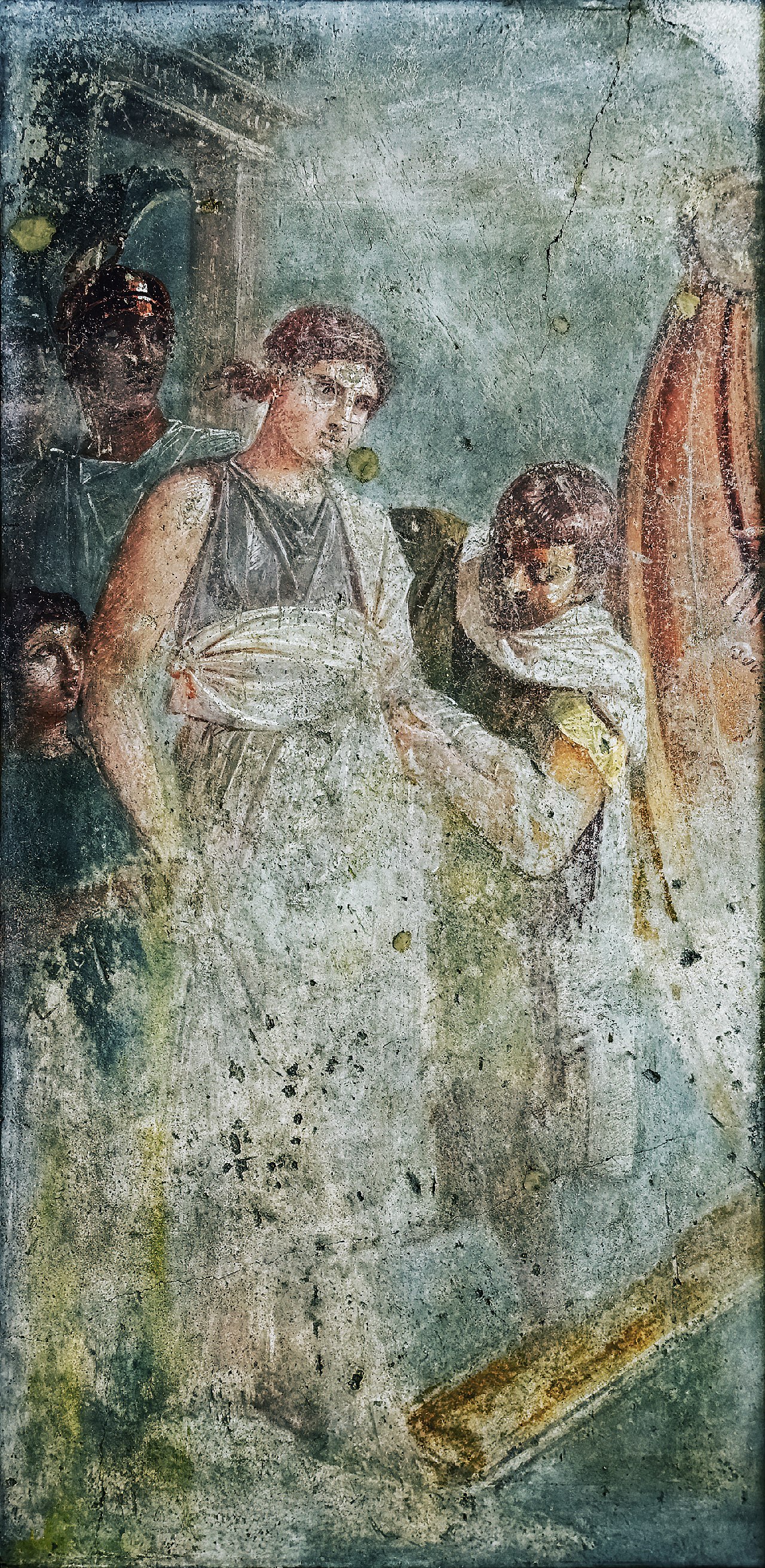
Helen's beauty was legendary, and it was said to be so great that it could launch a thousand ships. According to myth, Helen's beauty was a gift from the gods, and it was so powerful that it could drive men mad with desire. Helen's beauty was also the subject of many famous works of art, including paintings and sculptures. For more information on the art of ancient Greece, see Ancient Greek Art. Helen's beauty was also connected to the Venus and the Cupid who were associated with love and desire.
📚 Literary Representations
Helen has been the subject of many literary representations throughout history. She has been portrayed in works such as Homer's Iliad and Odyssey, as well as in plays by Euripides and Aeschylus. Helen has also been the subject of many famous poems, including Shakespeare's Troilus and Cressida. For more information on the literature of ancient Greece, see Ancient Greek Literature. Helen has also been connected to other notable figures in literature, such as Dante and Chaucer.
🎨 Artistic Depictions
Helen has also been the subject of many famous works of art throughout history. She has been portrayed in paintings by artists such as Botticelli and Rubens, and she has been the subject of many famous sculptures. For more information on the art of the Renaissance, see Renaissance Art. Helen has also been connected to other notable figures in art, such as Michelangelo and Leonardo da Vinci.
👫 Cultural Significance
Helen's cultural significance extends far beyond her role in Greek mythology. She has become a cultural icon, symbolizing beauty and desire. Helen has also been the subject of many feminist interpretations, with some seeing her as a symbol of female empowerment and others seeing her as a victim of patriarchal society. For more information on feminism, see Feminism. Helen has also been connected to other notable figures in feminism, such as Simone de Beauvoir and Betty Friedan.
🤔 Controversies and Debates
Despite her cultural significance, Helen remains a controversial figure. Some see her as a symbol of female beauty and desire, while others see her as a victim of patriarchal society. Helen's role in the Trojan War has also been the subject of much debate, with some seeing her as a catalyst for the war and others seeing her as an innocent victim. For more information on the controversy surrounding Helen, see Controversy. Helen has also been connected to other notable figures who have been the subject of controversy, such as Cleopatra and Marie Antoinette.
📊 Influence and Legacy
Helen's influence and legacy can be seen in many areas of culture, from literature to art to film. She has been the subject of many famous works of art, and she continues to inspire artists and writers to this day. Helen's story has also been retold and reinterpreted in many different ways, from the Iliad to Troy. For more information on the influence of Helen, see Influence. Helen has also been connected to other notable figures who have had a significant influence on culture, such as Shakespeare and Mozart.
Key Facts
- Category
- topic
- Type
- topic
Frequently Asked Questions
Who was Helen of Troy?
Helen of Troy was a figure in Greek mythology who was said to be the most beautiful woman in the world. She was the daughter of Zeus and Leda or Nemesis, and she was the sister of Clytemnestra, Castor, and Pollux. Helen's story is deeply intertwined with the Trojan War, which was sparked by her abduction by Paris of Troy. For more information on Helen, see Helen of Troy.
What was the Trojan War?
The Trojan War was a devastating conflict that lasted for ten years and involved many of the major cities and kingdoms of ancient Greece. The war was sparked by the abduction of Helen by Paris of Troy, and it was fought between the Greeks, led by Agamemnon, and the Trojans, led by Priam. For more information on the Trojan War, see Trojan War. The war was also connected to the Iliad and the Odyssey, two of the most famous epic poems in Greek literature.
Who was Paris of Troy?
Paris of Troy was a prince of Troy who abducted Helen from her home in Sparta. This event sparked the Trojan War, which was fought between the Greeks and the Trojans. Paris was the son of Priam, the king of Troy, and he was known for his good looks and his charm. For more information on Paris, see Paris. Paris was also connected to the Aphrodite who promised him the hand of the most beautiful woman in the world if he chose her as the winner of a beauty contest.
What was the significance of Helen's beauty?
Helen's beauty was legendary, and it was said to be so great that it could launch a thousand ships. According to myth, Helen's beauty was a gift from the gods, and it was so powerful that it could drive men mad with desire. Helen's beauty was also the subject of many famous works of art, including paintings and sculptures. For more information on the art of ancient Greece, see Ancient Greek Art.
How has Helen been portrayed in literature and art?
Helen has been the subject of many famous works of literature and art throughout history. She has been portrayed in works such as Homer's Iliad and Odyssey, as well as in plays by Euripides and Aeschylus. Helen has also been the subject of many famous poems, including Shakespeare's Troilus and Cressida. For more information on the literature of ancient Greece, see Ancient Greek Literature.
What is Helen's cultural significance?
Helen's cultural significance extends far beyond her role in Greek mythology. She has become a cultural icon, symbolizing beauty and desire. Helen has also been the subject of many feminist interpretations, with some seeing her as a symbol of female empowerment and others seeing her as a victim of patriarchal society. For more information on feminism, see Feminism.
How has Helen been connected to other notable figures in history?
Helen has been connected to many other notable figures in history, including Cleopatra and Marie Antoinette. She has also been connected to other notable figures in literature, such as Dante and Chaucer. Helen has also been connected to other notable figures in art, such as Michelangelo and Leonardo da Vinci.