
Contents
Overview
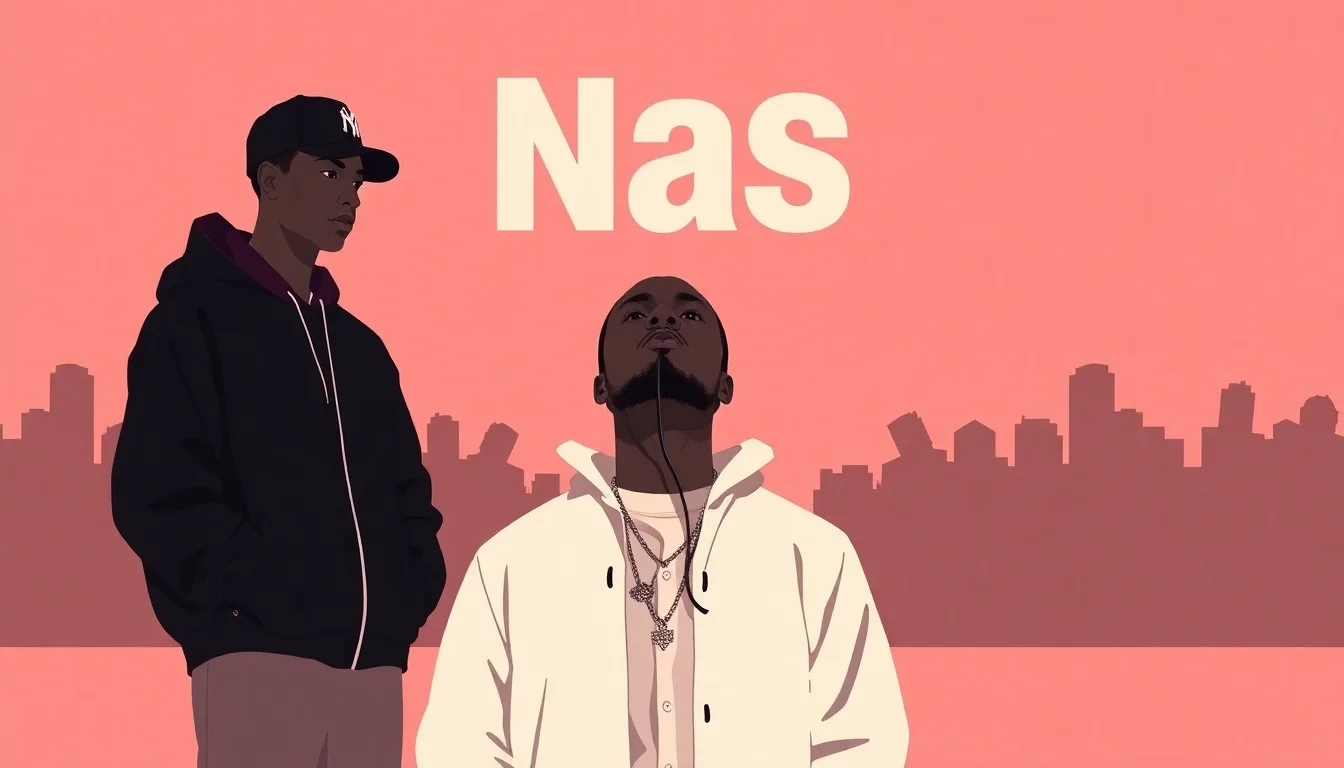
Released on April 19, 1994, Nas' Illmatic is not merely a debut album; it's a foundational text in hip-hop history. Hailing from the Queensbridge Houses in Queens, New York, Nas, then just 20 years old, delivered a masterclass in lyricism and storytelling. The album's production, a constellation of East Coast titans including DJ Premier, Large Professor, Pete Rock, and Q-Tip, weaves a sonic tapestry as intricate as Nas' rhymes. Despite modest initial sales, peaking at number 12 on the Billboard 200 with 59,000 copies sold in its first week, Illmatic quickly garnered critical acclaim for its raw authenticity, complex rhyme schemes, and vivid portrayal of inner-city life. Its influence has since transcended music, cementing its status as a cultural touchstone and a benchmark for lyrical prowess.
🎵 Origins & History
The genesis of Nas' Illmatic can be traced back to the early 1990s, with Nas beginning to pen lyrics as a teenager. His early demos, circulated among industry insiders, caught the attention of MC Serch, who played a pivotal role in securing Nas a deal with Columbia Records. The recording process spanned from 1992 to 1993, taking place across several legendary New York studios: Chung King Studios, D&D Recording, Battery Studios, and Unique Recording Studios. This collaborative environment, helmed by an array of esteemed producers, allowed Nas to hone his nascent vision into a cohesive artistic statement, drawing heavily from his upbringing in the Queensbridge Houses.
⚙️ How It Works
At its core, Illmatic functions as a meticulously crafted narrative album, painting an unflinching portrait of life in the Queensbridge Houses. Nas employs a sophisticated lyrical technique, characterized by multi-syllabic internal rhymes and dense, evocative imagery. The production is equally vital, with each beatmaker contributing a distinct sonic palette that complements Nas' flow. DJ Premier's gritty, sample-heavy beats on tracks like "N.Y. State of Mind" and "The World Is Yours" provide a raw, urban backdrop, while Large Professor's contributions, such as the jazzy "I'm a Villain" (later retitled "It Ain't Hard to Tell"), offer a slightly more refined, yet equally potent, sound. The interplay between Nas' complex rhyme schemes and the diverse production styles creates a rich, immersive listening experience.
📊 Key Facts & Numbers
Upon its release on April 19, 1994, Illmatic debuted at number 12 on the Billboard 200 chart, moving 59,000 units in its first week. This initial sales figure, while respectable for a debut, fell short of major label expectations. The album spawned five singles: "Halftime", "Life's a Bitch", "The World Is Yours", "It Ain't Hard to Tell", and "One Mic, One Gun" (though the latter was a promotional single). None of these singles achieved significant mainstream chart success, underscoring the album's initial commercial underperformance relative to its artistic merit. However, Illmatic has achieved platinum certification by the RIAA, signifying over one million units sold in the United States.
👥 Key People & Organizations
The creation of Illmatic was a collaborative effort involving a who's who of early 90s hip-hop production talent. Nas, the album's primary vocalist and lyricist, also contributed to production. Key producers included DJ Premier, who helmed four tracks, Large Professor (three tracks), Pete Rock (one track), Q-Tip (one track), and L.E.S. (one track). MC Serch was instrumental in Nas' signing to Columbia Records. Other notable figures include engineers like Eddie Garcia and Rich Trax, who helped shape the album's sonic clarity. The album's executive producer was Steve Stoute.
🌍 Cultural Impact & Influence
The cultural impact of Nas' Illmatic is immeasurable, widely regarded as one of the greatest hip-hop albums of all time. It elevated the art of lyricism, influencing countless rappers with its intricate rhyme schemes and profound storytelling. The album's raw, unfiltered depiction of urban life in the Queensbridge Houses resonated deeply, providing a voice for a generation. Its critical reception was overwhelmingly positive, with publications like Rolling Stone and Complex Magazine consistently ranking it among the best albums ever made. Illmatic also set a new standard for production, showcasing the diverse talents of DJ Premier, Large Professor, and Pete Rock, and its influence can be heard across genres, from conscious hip-hop to modern trap.
⚡ Current State & Latest Developments
In 2024, Illmatic continues to be celebrated and studied. Its 30th anniversary was marked by extensive retrospectives, documentaries, and reissues, including a deluxe vinyl edition. Nas himself has continued to tour and perform the album in its entirety, underscoring its enduring relevance. The album's legacy is actively preserved through academic discussions, music journalism, and its inclusion in numerous 'greatest albums' lists. The continued demand for its vinyl and digital formats, coupled with its platinum certification by the RIAA, indicates a sustained commercial presence decades after its initial release.
🤔 Controversies & Debates
One of the primary debates surrounding Illmatic centers on its initial commercial performance versus its monumental critical and cultural success. While lauded as a masterpiece, its first-week sales of 59,000 units were considered modest, leading some to question the disconnect between artistic acclaim and mainstream appeal at the time. Another point of discussion is the album's perceived lack of radio-friendly singles, which some critics argue limited its broader reach initially. Furthermore, the sheer density of its lyrical content and the complexity of its production have led to ongoing analysis and interpretation, with some listeners finding it more challenging than more accessible hip-hop of the era.
🔮 Future Outlook & Predictions
The future of Illmatic's influence appears secure, with its status as a hip-hop canon firmly established. As new generations of artists discover its brilliance, its lyrical and production techniques will likely continue to inspire. The ongoing demand for its anniversary editions and live performances suggests a lasting commercial viability. Future developments might include further academic deconstruction of its lyrical intricacies or its incorporation into broader cultural studies curricula. The album's narrative structure and thematic depth also lend themselves to potential adaptations in other media, though no concrete plans have been announced.
💡 Practical Applications
The primary application of Illmatic is as an educational tool for aspiring musicians, lyricists, and producers. Its intricate rhyme schemes and narrative structure serve as a blueprint for developing lyrical dexterity and storytelling prowess. For producers, the album's diverse sonic landscapes, crafted by DJ Premier, Large Professor, and Pete Rock, offer invaluable lessons in beat-making and sample utilization. Beyond music, Illmatic serves as a cultural artifact, providing a vivid, authentic snapshot of urban life in the early 1990s, making it a valuable resource for sociologists, historians, and cultural critics studying American inner-city experiences. Its enduring appeal also makes it a consistent seller for Columbia Records.
Key Facts
- Category
- culture
- Type
- album