
Contents
- 🎺 What to Expect from a New Orleans Jazz Band
- 📍 Where to Find Live Jazz in the French Quarter
- 🎶 Beyond Bourbon Street: Exploring Other Neighborhoods
- 💰 Pricing & Booking: Hiring a Band for Your Event
- ⭐ Vibe Scores & Ratings: Gauging the Energy
- 🎷 Essential Instruments and Styles
- 🤔 The Debate: Traditional vs. Modern Jazz
- 💡 Tips for an Authentic Experience
- Frequently Asked Questions
- Related Topics
Overview
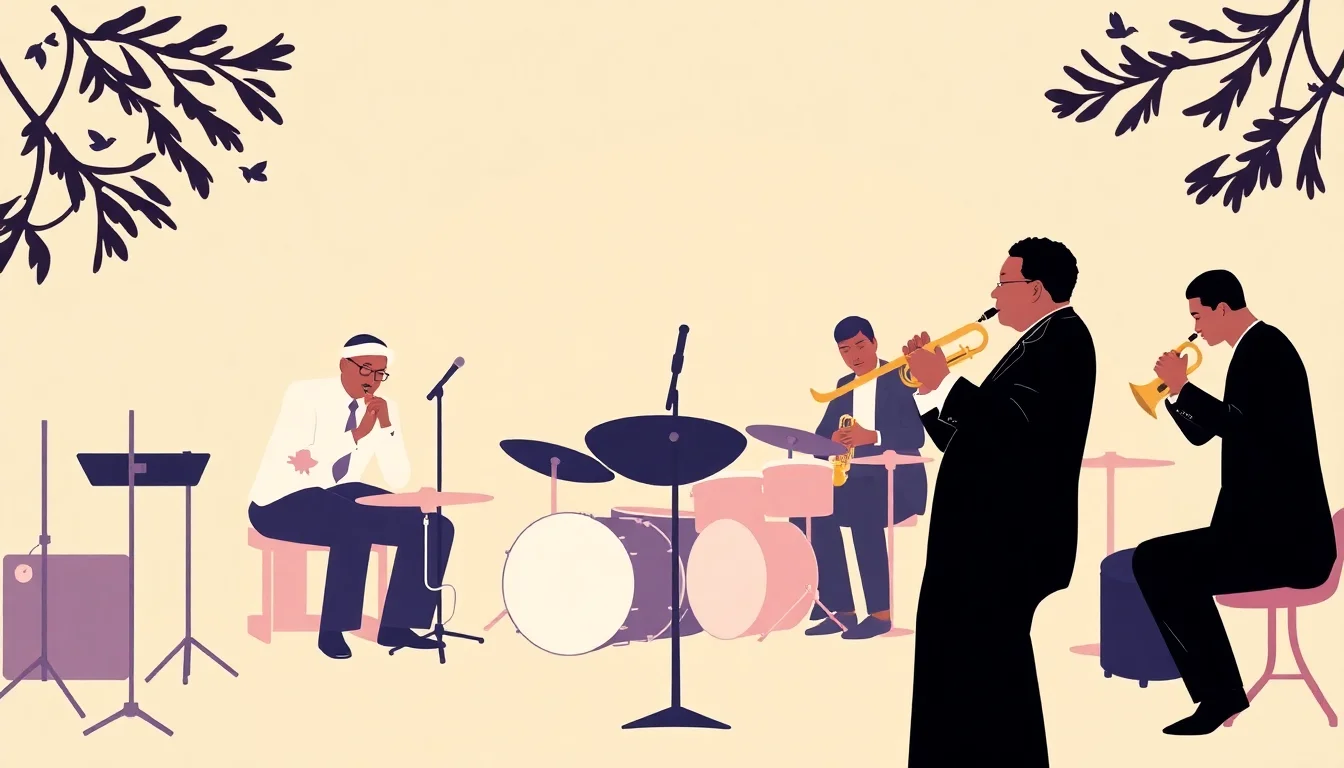
New Orleans jazz bands are the beating heart of the city's musical soul, offering an immersive experience that transcends mere performance. Expect a vibrant, often improvisational, sound rooted in tradition but alive with contemporary energy. Whether it's a brass band parading down the street or a quartet in a dimly lit club, the music is infectious, encouraging movement and participation. These ensembles are not just playing notes; they're weaving stories, channeling generations of musical heritage, and creating a palpable vibe that's unique to the Crescent City. You'll encounter everything from foot-stomping marches to soulful ballads, all delivered with an undeniable authenticity that defines NOLA music.
📍 Where to Find Live Jazz in the French Quarter
The French Quarter is the undisputed epicenter for experiencing New Orleans jazz bands, particularly along Bourbon Street and Frenchmen Street. While Bourbon Street offers a more tourist-oriented, high-energy scene with bands playing continuously in bars like Fritzel's, Frenchmen Street provides a more local and artist-focused atmosphere. Here, venues like The Spotted Cat Music Club and d.b.a. host a rotating roster of talented musicians, often with no cover charge but a strong expectation of tips. Walking these streets, you'll hear the distinct sounds of trumpets, trombones, clarinets, and saxophones spilling out of doorways, creating an unforgettable sonic landscape. Be prepared for crowds, especially on weekends, but the accessibility to world-class jazz is unparalleled.
🎶 Beyond Bourbon Street: Exploring Other Neighborhoods
While the French Quarter draws the most attention, don't overlook the rich jazz scene in other New Orleans neighborhoods. Uptown and the Garden District offer more intimate venues and often feature bands with a deeper connection to the city's historic jazz lineage. Areas like Bywater and Marigny (adjacent to the French Quarter) are also home to smaller clubs and bars where you can discover emerging artists and more experimental jazz forms. Exploring these areas provides a broader understanding of the genre's evolution and its continued presence in the daily life of New Orleanians, far from the main tourist thoroughfares. It's in these less-trodden paths that you might find the next great NOLA jazz artist.
💰 Pricing & Booking: Hiring a Band for Your Event
Hiring a New Orleans jazz band for a private event, whether a wedding, corporate function, or intimate gathering, requires careful consideration. Prices can vary significantly based on the band's size, reputation, and the duration of the performance, typically ranging from $500 to $5,000 or more. Many bands offer different packages, including options for smaller ensembles (like a trio or quartet) for more subdued settings or full brass bands for a lively parade. It's crucial to inquire about their repertoire, flexibility with song requests, and any technical requirements (like sound systems). Booking well in advance is highly recommended, especially for popular bands during peak seasons, to secure your preferred NOLA musicians.
⭐ Vibe Scores & Ratings: Gauging the Energy
Gauging the 'vibe' of a New Orleans jazz band is essential for a truly satisfying experience. Vibepedia's Vibe Score (0-100) attempts to quantify this cultural energy, factoring in authenticity, crowd engagement, and musical prowess. Bands like the Preservation Hall Jazz Band consistently score high (90+) for their deep historical roots and powerful performances, while newer ensembles might score lower initially but offer exciting innovation. Look for bands with active social media presences and positive reviews on platforms like Yelp and Google, which often reflect crowd sentiment and the overall energy of their shows. A band with a high Vibe Score promises an unforgettable musical encounter that resonates long after the last note fades.
🎷 Essential Instruments and Styles
The sonic signature of a New Orleans jazz band is defined by its instrumentation and stylistic approach. Core instruments typically include the trumpet or cornet, trombone, clarinet, saxophone, piano, banjo or guitar, bass or tuba, and drums. Early jazz, or Dixieland, is characterized by collective improvisation, where multiple melody instruments weave intricate lines simultaneously. Later styles, influenced by artists like Louis Armstrong and Jelly Roll Morton, saw a greater emphasis on solo improvisation. Modern New Orleans jazz bands often blend these traditional elements with contemporary influences, creating a dynamic sound that honors the past while embracing the future of American music.
🤔 The Debate: Traditional vs. Modern Jazz
A persistent debate within the New Orleans jazz scene revolves around the tension between preserving traditional styles and embracing modern innovations. Purists often champion the raw, collective improvisation of early jazz, emphasizing adherence to historical forms and instrumentation. Conversely, many contemporary bands push boundaries, incorporating elements of funk, R&B, and even hip-hop into their jazz framework, appealing to a broader audience and reflecting the city's evolving musical landscape. This controversy spectrum highlights the dynamic nature of jazz itself – a genre that has always thrived on adaptation and reinvention, making the choice between traditional and modern a matter of personal preference and desired musical experience.
💡 Tips for an Authentic Experience
To truly immerse yourself in the New Orleans jazz experience, embrace the spirit of spontaneity and engagement. Don't be afraid to move to the music, whether it's a gentle sway or a full-on dance. Tip generously; these musicians often rely on audience contributions, especially in smaller venues. Explore beyond the most famous names; often, the most memorable performances come from lesser-known but equally talented local bands. Engage with the musicians if the opportunity arises; they are often passionate storytellers eager to share their knowledge of the music's history and its significance to NOLA culture. Finally, remember that jazz here isn't just music; it's a living, breathing part of the city's identity.
Key Facts
- Year
- Circa 1910s (formalization of the genre)
- Origin
- New Orleans, Louisiana, USA
- Category
- Music & Performing Arts
- Type
- Cultural Phenomenon
Frequently Asked Questions
What is the best time of year to experience New Orleans jazz?
While jazz is a year-round staple in New Orleans, the spring (March-May) and fall (September-November) offer pleasant weather for enjoying street performances and outdoor festivals. The Jazz Fest in late April/early May is a major draw, showcasing an immense array of talent. However, the city's clubs maintain a lively atmosphere throughout the year, so any time is a good time to seek out live jazz.
Are there jazz bands that don't require a cover charge?
Yes, many venues, particularly on Frenchmen Street, operate on a 'tip-only' basis, meaning there's no upfront cover charge, but patrons are strongly encouraged to contribute to the musicians. Some bars might have a small cover charge, especially on weekends or for more established acts. It's always a good idea to check the venue's policy beforehand, but expect to tip generously for quality performances.
What's the difference between a brass band and a traditional jazz band?
While both are integral to New Orleans music, brass bands are typically associated with parades and second-line traditions, featuring a prominent horn section (trumpets, trombones, saxophones) and percussion, often playing upbeat, driving rhythms. Traditional jazz bands, while also using horns, might incorporate a wider range of instruments like piano, banjo, and clarinet, and often focus on ensemble improvisation and a broader spectrum of tempos and moods, from lively to melancholic.
Can I hire a New Orleans jazz band for an event outside of New Orleans?
Absolutely. Many renowned New Orleans jazz bands, such as the Preservation Hall Jazz Band, tour nationally and internationally and can be booked for events anywhere. Local bands may also be available for travel, though this will significantly increase the overall cost due to travel, accommodation, and per diem expenses. Always clarify travel arrangements and associated fees when booking.
What are the 'must-see' jazz clubs in New Orleans?
For a quintessential experience, Frenchmen Street is a must, with clubs like The Spotted Cat, d.b.a., and The Maison. In the French Quarter, Fritzel's is a long-standing institution. Preservation Hall offers a unique, no-frills, historically significant performance. For a more upscale experience, consider Irvin Mayfield's Jazz Playhouse. Each offers a distinct flavor of NOLA jazz.