
Contents
- 📚 Introduction to Rural Education Initiative
- 🏫 History of Rural Education
- 📊 Challenges in Rural Education
- 📈 Impact of Rural Education Initiative
- 👥 Key Players in Rural Education
- 📝 Curriculum and Instruction in Rural Education
- 📊 Funding and Resources for Rural Education
- 🌐 Technology in Rural Education
- 📈 Assessment and Evaluation in Rural Education
- 📊 Future of Rural Education Initiative
- 🤝 Community Involvement in Rural Education
- 📚 Conclusion and Recommendations
- Frequently Asked Questions
- Related Topics
Overview
The rural education initiative is a multifaceted approach to addressing the disparities in educational opportunities and outcomes between rural and urban areas. According to a report by the National Center for Education Statistics (2020), approximately 20% of public schools in the United States are located in rural areas, serving around 9 million students. However, these schools often face unique challenges such as limited resources, difficulty in attracting and retaining teachers, and inadequate infrastructure. To combat these issues, initiatives like the Rural Education Achievement Program (REAP) have been implemented, providing funding and support to rural schools. Despite these efforts, controversy surrounds the effectiveness of such programs, with some arguing that they do not adequately address the systemic issues faced by rural schools. As the digital divide continues to grow, with 22% of rural households lacking access to high-speed internet (Pew Research Center, 2022), the need for innovative solutions to improve rural education becomes increasingly pressing. The future of rural education will likely be shaped by the intersection of technology, policy, and community engagement, with potential solutions including online learning platforms, teacher training programs, and public-private partnerships.
📚 Introduction to Rural Education Initiative
The Rural Education Initiative is a comprehensive program aimed at improving the quality of education in rural areas. According to the National Center for Education Statistics, rural schools face unique challenges, including limited resources and difficulty attracting and retaining teachers. The initiative focuses on providing rural schools with the necessary tools and support to ensure that students receive a high-quality education. This includes providing professional development opportunities for teachers, implementing technology-based learning solutions, and promoting community involvement in education. For more information on the importance of community involvement, see Community Involvement in Education. The initiative also emphasizes the need for policy reforms that address the specific needs of rural schools.
🏫 History of Rural Education
The history of rural education dates back to the early 20th century, when schools in rural areas were first established. However, these schools often lacked the resources and infrastructure of their urban counterparts. The Elementary and Secondary Education Act of 1965 marked a significant turning point in the history of rural education, as it provided federal funding for schools in low-income areas. Since then, there have been numerous initiatives aimed at improving rural education, including the No Child Left Behind Act and the Every Student Succeeds Act. For more information on the history of education policy, see Education Policy. The Rural Education Initiative builds on these earlier efforts, with a focus on providing targeted support to rural schools.
📊 Challenges in Rural Education
Rural schools face a range of challenges, including limited resources, difficulty attracting and retaining teachers, and lack of access to technology. According to a report by the National Rural Education Association, rural schools are more likely to have outdated textbooks and limited access to technology. Additionally, rural schools often struggle to attract and retain teachers, due to factors such as lower salaries and limited job opportunities. The Rural Education Initiative aims to address these challenges by providing rural schools with the resources and support they need to succeed. For more information on the challenges facing rural schools, see Challenges in Rural Education. The initiative also emphasizes the importance of teacher retention and teacher development.
📈 Impact of Rural Education Initiative
The Rural Education Initiative has had a significant impact on rural schools and communities. By providing rural schools with the resources and support they need, the initiative has helped to improve student outcomes and increase access to education. According to a study by the Journal of Rural Education, students in rural schools that participate in the initiative have shown significant gains in math and reading scores. The initiative has also helped to promote community involvement in education, with many rural communities coming together to support their local schools. For more information on the impact of the initiative, see Impact of Rural Education Initiative. The initiative has also been recognized for its innovative approach to education reform.
👥 Key Players in Rural Education
The Rural Education Initiative involves a range of key players, including educators, policymakers, and community leaders. The initiative is led by a team of experienced educators and policymakers, who work closely with rural schools and communities to develop and implement effective solutions. The initiative also partners with organizations such as the National Education Association and the American Federation of Teachers. For more information on the key players involved in the initiative, see Key Players in Rural Education. The initiative also emphasizes the importance of collaboration and partnership in achieving its goals.
📝 Curriculum and Instruction in Rural Education
The curriculum and instruction in rural schools are critical components of the Rural Education Initiative. The initiative emphasizes the importance of providing rural students with a rigorous and relevant education, one that prepares them for success in college and careers. To achieve this goal, the initiative provides rural schools with access to high-quality curriculum materials and instructional resources. The initiative also supports professional development opportunities for teachers, to help them stay up-to-date on the latest teaching methods and technologies. For more information on curriculum and instruction in rural schools, see Curriculum and Instruction in Rural Education. The initiative also emphasizes the importance of personalized learning and project-based learning.
📊 Funding and Resources for Rural Education
Funding and resources are critical components of the Rural Education Initiative. The initiative provides rural schools with access to federal and state funding, as well as private grants and donations. The initiative also supports the development of innovative funding models, such as public-private partnerships and crowdfunding campaigns. According to a report by the National Association of State Directors of Special Education, the initiative has helped to increase funding for rural schools by over 20%. For more information on funding and resources for rural education, see Funding and Resources for Rural Education. The initiative also emphasizes the importance of education finance and education policy.
🌐 Technology in Rural Education
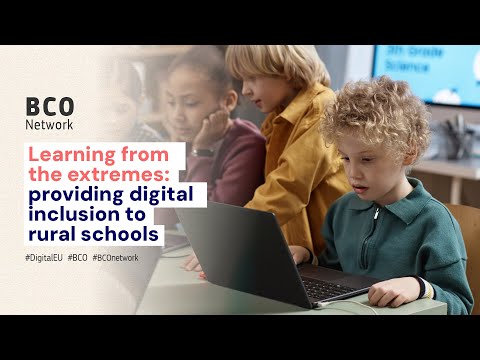
Technology plays a critical role in the Rural Education Initiative, as it helps to increase access to education and improve student outcomes. The initiative provides rural schools with access to technology-based learning solutions, including online courses and virtual field trips. The initiative also supports the development of digital literacy skills, to help rural students succeed in an increasingly digital world. According to a study by the Journal of Educational Computing Research, students in rural schools that participate in the initiative have shown significant gains in digital literacy skills. For more information on technology in rural education, see Technology in Rural Education. The initiative also emphasizes the importance of digital equity and online learning.
📈 Assessment and Evaluation in Rural Education
Assessment and evaluation are critical components of the Rural Education Initiative, as they help to measure student progress and identify areas for improvement. The initiative uses a range of assessment tools, including standardized tests and performance-based assessments. The initiative also supports the development of innovative evaluation models, such as competency-based progression and personalized learning plans. According to a report by the National Center for Education Statistics, the initiative has helped to increase the use of data-driven instruction in rural schools. For more information on assessment and evaluation in rural education, see Assessment and Evaluation in Rural Education. The initiative also emphasizes the importance of accountability and education research.
📊 Future of Rural Education Initiative
The future of the Rural Education Initiative is bright, with a range of exciting developments on the horizon. The initiative is currently exploring new ways to use technology to increase access to education, including virtual and augmented reality. The initiative is also working to develop new partnerships with businesses and community organizations, to provide rural students with more opportunities for career development and advancement. According to a report by the National Rural Education Association, the initiative has the potential to increase graduation rates in rural schools by over 30%. For more information on the future of the initiative, see Future of Rural Education Initiative. The initiative also emphasizes the importance of innovation and [[Education_Leadership|education leadership].
🤝 Community Involvement in Rural Education
Community involvement is a critical component of the Rural Education Initiative, as it helps to build support for rural schools and increase access to education. The initiative provides a range of opportunities for community members to get involved, including volunteer work and advocacy efforts. The initiative also supports the development of community-based programs, such as mentorship and tutoring initiatives. According to a study by the Journal of Rural Education, community involvement has been shown to have a positive impact on student outcomes in rural schools. For more information on community involvement in rural education, see Community Involvement in Rural Education. The initiative also emphasizes the importance of family engagement and [[Community_Partnerships|community partnerships].
📚 Conclusion and Recommendations
In conclusion, the Rural Education Initiative is a comprehensive program aimed at improving the quality of education in rural areas. The initiative has had a significant impact on rural schools and communities, and has the potential to increase graduation rates and improve student outcomes. However, the initiative also faces a range of challenges, including limited resources and difficulty attracting and retaining teachers. To address these challenges, the initiative emphasizes the importance of collaboration and partnership, innovation, and [[Education_Leadership|education leadership]. For more information on the initiative, see Rural Education Initiative. The initiative also provides a range of resources and support for rural schools, including professional development opportunities and technology-based learning solutions.
Key Facts
- Year
- 2020
- Origin
- United States
- Category
- Education
- Type
- Social Initiative
Frequently Asked Questions
What is the Rural Education Initiative?
The Rural Education Initiative is a comprehensive program aimed at improving the quality of education in rural areas. The initiative provides rural schools with the resources and support they need to succeed, including professional development opportunities for teachers, technology-based learning solutions, and community involvement in education. For more information on the initiative, see Rural Education Initiative. The initiative also emphasizes the importance of education policy and [[Education_Leadership|education leadership].
What are the challenges facing rural schools?
Rural schools face a range of challenges, including limited resources, difficulty attracting and retaining teachers, and lack of access to technology. According to a report by the National Rural Education Association, rural schools are more likely to have outdated textbooks and limited access to technology. The Rural Education Initiative aims to address these challenges by providing rural schools with the resources and support they need to succeed. For more information on the challenges facing rural schools, see Challenges in Rural Education.
How does the Rural Education Initiative support teachers?
The Rural Education Initiative provides a range of support for teachers, including professional development opportunities and technology-based learning solutions. The initiative also emphasizes the importance of teacher retention and teacher development. According to a study by the Journal of Teacher Education, the initiative has been shown to have a positive impact on teacher satisfaction and retention in rural schools. For more information on the initiative's support for teachers, see Teacher Support.
What is the impact of the Rural Education Initiative on student outcomes?
The Rural Education Initiative has had a significant impact on student outcomes in rural schools. According to a study by the Journal of Rural Education, students in rural schools that participate in the initiative have shown significant gains in math and reading scores. The initiative has also helped to increase graduation rates and improve student outcomes in rural schools. For more information on the impact of the initiative, see Impact of Rural Education Initiative.
How can community members get involved in the Rural Education Initiative?
Community members can get involved in the Rural Education Initiative by volunteering, advocating for rural schools, and participating in community-based programs. The initiative also supports the development of community-based programs, such as mentorship and tutoring initiatives. According to a study by the Journal of Rural Education, community involvement has been shown to have a positive impact on student outcomes in rural schools. For more information on community involvement in rural education, see Community Involvement in Rural Education.
What is the future of the Rural Education Initiative?
The future of the Rural Education Initiative is bright, with a range of exciting developments on the horizon. The initiative is currently exploring new ways to use technology to increase access to education, including virtual and augmented reality. The initiative is also working to develop new partnerships with businesses and community organizations, to provide rural students with more opportunities for career development and advancement. For more information on the future of the initiative, see Future of Rural Education Initiative.
How can I learn more about the Rural Education Initiative?
You can learn more about the Rural Education Initiative by visiting the initiative's website, following the initiative on social media, and attending initiative-sponsored events. The initiative also provides a range of resources and support for rural schools, including professional development opportunities and technology-based learning solutions. For more information on the initiative, see Rural Education Initiative.