
Contents
- 🎯 Introduction to Social Network Analysis
- 📊 Key Concepts and Metrics
- 🌐 Applications of Social Network Analysis
- 👥 Key People and Organizations
- 📈 Current State and Future Directions
- 🤝 Collaborations and Interdisciplinary Research
- 📊 Methodologies and Tools
- 📚 Related Topics and Further Reading
- 💡 Practical Applications and Case Studies
- 🔍 Controversies and Debates
- Frequently Asked Questions
- References
- Related Topics
Overview
Social network analysis (SNA) is a multidisciplinary field that combines sociology, psychology, computer science, and graph theory to study the structure and dynamics of social networks. By analyzing the relationships between individuals, groups, and organizations, SNA helps us understand how information, influence, and behaviors spread through networks. With applications in fields like marketing, epidemiology, and counter-terrorism, SNA has become a vital tool for understanding complex social phenomena. According to Stanford University researchers, SNA has been used to study the spread of influencer marketing on Instagram and Twitter. The field has also been influenced by the work of Mark Granovetter, who introduced the concept of weak ties in social networks. As Nicholas Christakis notes, SNA has the potential to revolutionize our understanding of social behavior and public health. With the rise of big data and machine learning, SNA is becoming increasingly important for analyzing and predicting social phenomena. For instance, Google has used SNA to study the spread of disease transmission and develop more effective public health interventions.
📊 Key Concepts and Metrics
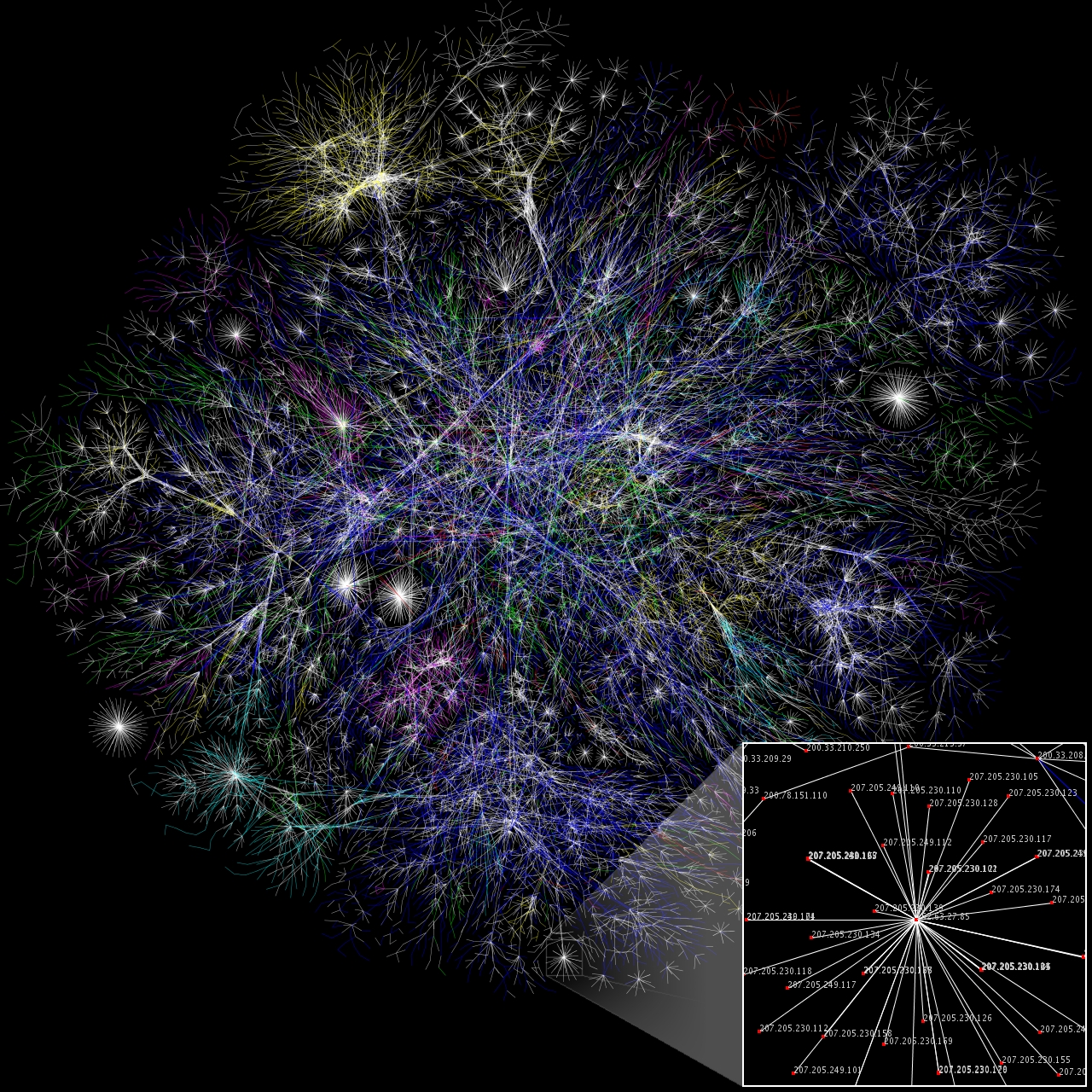
The core concepts of SNA include nodes, edges, and networks. Nodes represent individual actors, while edges represent the relationships between them. Networks can be visualized using sociograms, which provide a means of qualitatively assessing network structure. For example, Facebook uses SNA to study the spread of information and influence through its social network. Other key metrics in SNA include centrality measures, clustering coefficient, and community detection. These metrics help researchers understand the structure and dynamics of social networks, and have been used by companies like LinkedIn to study professional networks.
👥 Key People and Organizations
Key people in the field of SNA include Mark Granovetter, Duncan Watts, and Albert-László Barabási. Organizations like the International Network for Social Network Analysis (INSNA) and the American Sociological Association (ASA) provide a platform for researchers to share their work and collaborate with others. For example, the Harvard University Department of Sociology has a strong focus on SNA, with researchers like Nicholas Christakis and James Fowler making significant contributions to the field.
📈 Current State and Future Directions
The current state of SNA is characterized by the increasing use of big data and machine learning techniques. Researchers are using these techniques to analyze large-scale social networks and predict social phenomena. For example, Google has used SNA to study the spread of disease transmission and develop more effective public health interventions. However, there are also challenges associated with the use of SNA, such as the potential for privacy violations and the need for more diverse and representative data.
🤝 Collaborations and Interdisciplinary Research
Collaborations between researchers from different disciplines are essential for advancing the field of SNA. For example, researchers from computer science and sociology are working together to develop new methods for analyzing social networks. The Stanford University Department of Sociology has a strong focus on interdisciplinary research, with collaborations between sociologists, computer scientists, and statisticians.
📊 Methodologies and Tools
Methodologies and tools used in SNA include NetworkX, Gephi, and UCINET. These tools provide a means of visualizing and analyzing social networks, and have been used by researchers like Duncan Watts and Albert-László Barabási to study the structure and dynamics of social networks.
💡 Practical Applications and Case Studies
Practical applications of SNA include marketing, public health, and counter-terrorism. For example, Facebook uses SNA to study the spread of information and influence through its social network. Companies like LinkedIn and Twitter also use SNA to study professional networks and the spread of information.
🔍 Controversies and Debates
Controversies and debates in the field of SNA include the potential for privacy violations and the need for more diverse and representative data. Researchers like Duncan Watts and Albert-László Barabási have raised concerns about the potential risks and limitations of SNA.
Key Facts
- Year
- 1970s
- Origin
- United States
- Category
- science
- Type
- concept
Frequently Asked Questions
What is social network analysis?
Social network analysis (SNA) is a multidisciplinary field that combines sociology, psychology, computer science, and graph theory to study the structure and dynamics of social networks. According to Stanford University researchers, SNA has been used to study the spread of influencer marketing on Instagram and Twitter.
What are the key concepts of SNA?
The core concepts of SNA include nodes, edges, and networks. Nodes represent individual actors, while edges represent the relationships between them. Networks can be visualized using sociograms, which provide a means of qualitatively assessing network structure. For example, Facebook uses SNA to study the spread of information and influence through its social network.
What are the applications of SNA?
SNA has a wide range of applications, from public health to business. In public health, SNA has been used to study the spread of diseases like HIV and influenza. In business, SNA has been used to study the structure of organizational networks and the spread of innovation.
Who are the key people in the field of SNA?
Key people in the field of SNA include Mark Granovetter, Duncan Watts, and Albert-László Barabási. Organizations like the International Network for Social Network Analysis (INSNA) and the American Sociological Association (ASA) provide a platform for researchers to share their work and collaborate with others.
What are the challenges associated with SNA?
The current state of SNA is characterized by the increasing use of big data and machine learning techniques. However, there are also challenges associated with the use of SNA, such as the potential for privacy violations and the need for more diverse and representative data.
What are the future directions of SNA?
The future directions of SNA include the increasing use of big data and machine learning techniques. Researchers are using these techniques to analyze large-scale social networks and predict social phenomena. For example, Google has used SNA to study the spread of disease transmission and develop more effective public health interventions.
What are the practical applications of SNA?
Practical applications of SNA include marketing, public health, and counter-terrorism. For example, Facebook uses SNA to study the spread of information and influence through its social network. Companies like LinkedIn and Twitter also use SNA to study professional networks and the spread of information.